
Strike on Iran Sparks Oil Crisis Impacting Finland's Economy
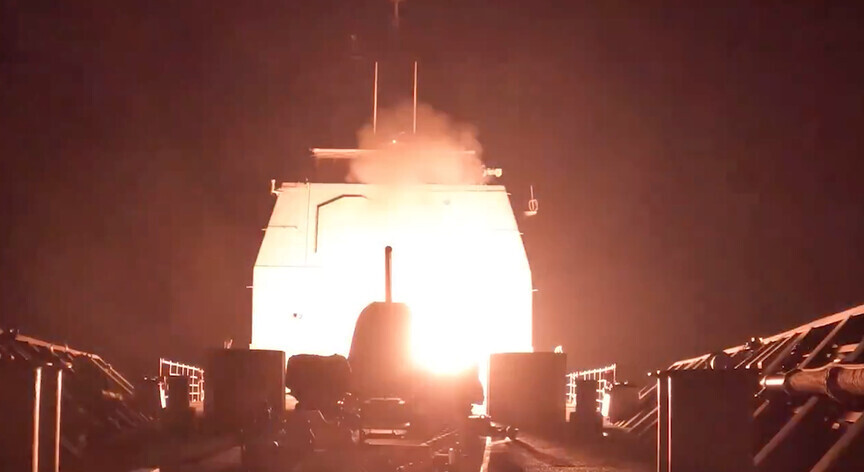
The US has launched a strike on Iran, triggering an oil crisis that is affecting global economies and leading to potential recession in Finland.[1]
Overview of the US Strike on Iran
The recent strike on Iran by the United States marks a significant escalation in regional tensions, directly linked to the onset of a broader oil crisis.[1] According to reports, this military action has disrupted oil supplies, initiating an economic ripple effect felt far beyond the Middle East.[1] The strike, described in detail by Finnish media outlet Yle News, has been pinpointed as the catalyst for immediate market instability, with oil prices surging due to fears of prolonged supply interruptions.[1] This event unfolds against a backdrop of longstanding geopolitical frictions, but the immediate consequence highlighted is the launch of an oil crisis that weakens economies dependent on stable energy imports.[1]
In the context of the strike Iran endured, the US operation appears to have targeted key infrastructure, though specifics remain tied to the reported initiation of the crisis.[1] The timing of the strike coincides with vulnerabilities in global energy markets, amplifying its impact.[1] Analysts note that such actions historically lead to volatility, but here the direct tie to an oil crisis underscores the strike's role in upending supply chains.[1] Finland, despite its geographical distance, finds itself entangled in these dynamics, as the strike on Iran has cascaded into economic pressures at home.[1]
Economic Impacts on Finland
Finland's economy is bearing the brunt of the oil crisis triggered by the US strike on Iran, with experts warning of accelerated weakening and an impending recession.[1] The crisis has exacerbated existing challenges, driving up energy costs and straining industrial sectors reliant on affordable oil imports.[1] As outlined in coverage from Yle News, the strike Iran faced has "crushed" Finland's economic outlook, pushing the nation closer to a downturn.[1]
The mechanics of this impact are rooted in Finland's exposure to global oil markets. Higher oil prices resulting from the crisis inflate production costs across manufacturing, transportation, and heating sectors, which form the backbone of the Finnish economy.[1] This weakening effect compounds prior slowdowns, creating a perfect storm for contraction.[1] Reports emphasize that the oil crisis stemming from the strike is not a peripheral issue but a central driver, with Finland's GDP growth projections now at risk.[1] Businesses face margin squeezes, consumers grapple with rising fuel and commodity prices, and government budgets strain under increased import bills—all traceable to the disruptions initiated by the strike on Iran.[1]
Furthermore, the interconnectedness of global trade means that even a northern European economy like Finland's cannot insulate itself from Middle Eastern energy shocks.[1] The strike's aftermath has led to immediate market reactions, with oil benchmarks spiking and Finnish export competitiveness eroding.[1] This positions Finland on the precipice of recessionary pressures, as the oil crisis amplifies inflationary tendencies while curbing demand.[1]
Recent Military Actions by Iran
In a potential sign of retaliation or further escalation following the US strike on Iran, Iranian gunboats have fired on a tanker, while a second ship was struck by a projectile.[2] These incidents, reported by CNN, highlight rising maritime tensions in key shipping lanes, where oil tankers are prime targets amid the ongoing crisis.[2]
The firing on the tanker by Iranian gunboats represents a direct military action that could disrupt vital oil transit routes.[2] Details indicate aggressive maneuvers, with the gunboats engaging the vessel in what appears to be a calculated provocation.[2] Compounding this, the second ship hit by a projectile suggests a pattern of attacks on commercial shipping, raising alarms about safe passage in the region.[2] These events unfold mere hours or days after the initial strike, timed at around 2:37 in reporting, underscoring the rapid tempo of escalation.[2]
Such actions by Iranian forces threaten to compound the oil crisis, as any hindrance to tanker traffic directly impacts global supply volumes.[2] The precision of the projectile strike on the second ship points to capabilities that could sustain intermittent disruptions, keeping markets on edge.[2]
Broader Implications of the Strike
The US strike on Iran has set off a chain reaction, intertwining an oil crisis with military escalations like the Iranian gunboat attacks on shipping.[1][2] This convergence amplifies risks to global economies, with Finland exemplifying how distant nations suffer from energy shocks and heightened geopolitical uncertainty.[1][2]
Regionally, the projectile hit on a second ship alongside gunboat firings signals a volatile environment where oil flows are increasingly precarious.[2] Tied to the strike's oil crisis, these incidents could prolong supply tightness, sustaining high prices that batter import-dependent economies.[1][2] For Finland, this means sustained economic weakening, as the crisis erodes fiscal buffers and investment confidence.[1]
Globally, the implications extend to trade disruptions and inflationary pressures, with the strike on Iran as the linchpin.[1] Military responses from Iran further entrench the crisis, potentially drawing in more actors and extending the downturn risks.[2]
Expert Perspectives
A professor cited in Yle News delivers a stark warning: "Ollaan taantumassa ihan kohta," translating to "We're in recession very soon," directly attributing this to the US strike on Iran and the ensuing oil crisis.[1] This expert voice underscores the immediacy of Finland's economic peril, with the strike jarring the nation's trajectory toward recession.[1]
The professor's assessment frames the oil crisis as a decisive blow, weakening Finland's economy beyond recovery in the short term without intervention.[1] Such perspectives from academic circles lend gravity to the situation, emphasizing that the strike's impacts are not speculative but imminent.[1] Warnings of downturns in affected countries like Finland highlight the professor's view that current trends, fueled by the crisis, will culminate in contraction.[1]
These insights align with the broader narrative of economic fragility exposed by the strike, urging policymakers to brace for turbulence.[1]
What to watch next: Monitor Finland's economic indicators for signs of recession as the oil crisis persists, alongside any further Iranian military actions on shipping that could deepen supply disruptions.[1][2]