
Strike on Iran Leads to Growing International Outcry
The strike on Iran by U.S. and Israeli forces has sparked a surge in international outcry alongside reports of serious injuries to prominent Iranian figures, compounding tensions in an already volatile Middle East landscape.[2][3] This development unfolds against a backdrop of extended ceasefires in neighboring regions and stalled diplomatic efforts, as highlighted by recent announcements from U.S. leadership.[1]
Overview of Recent Strikes
The recent U.S.-Israeli strikes on Iran have drawn significant attention due to their timing and reported consequences, marking a escalation in direct military actions against the Islamic Republic.[2][3] International media outlets have documented a growing wave of criticism surrounding these operations, which appear to have targeted sensitive areas within Iran, leading to immediate repercussions for key individuals associated with the regime.[2] Reports indicate that the strikes inflicted serious injuries on Mojtaba Khamenei, the son of Iran's Supreme Leader Ayatollah Ali Khamenei, with details emerging about the extent of his wounds.[3] These injuries are described as severe enough to potentially require plastic surgery, underscoring the precision and impact of the military actions.[3]
Contextually, these strikes come amid broader regional hostilities, where U.S. and Israeli coordination has been a focal point of global scrutiny.[2] The operations have not only heightened diplomatic friction but also prompted questions about their strategic objectives, particularly as they coincide with ongoing conflicts involving Iran's proxies.[1] While specific details on the targets remain limited in available reports, the fallout has rippled outward, influencing perceptions of stability in the Middle East.[2][3] The involvement of both U.S. and Israeli forces in the strike on Iran highlights a rare alignment of military efforts, which has amplified calls for restraint from various international quarters.[2] This overview reflects the immediate context of the strikes as pieced together from emerging accounts, emphasizing their role in escalating rhetoric and responses across the region.[3]
International Reactions and Outcry
Outcry over the U.S.-Israeli strikes on Iran continues to build, with international media capturing a chorus of condemnation and concern from global observers.[2] Coverage from outlets like Xinhua has framed the strikes as a provocative move, fueling debates on the legality and proportionality of such actions under international law.[2] This reaction is not isolated but part of a broader pattern of diplomatic pushback against perceived aggressions in the Middle East, where the strikes have been portrayed as undermining fragile peace processes.[2]
The growing international outcry manifests in heightened media scrutiny and statements from various nations, though specifics on individual responses remain tied to the overarching narrative of disapproval.[2] Analysts note that this sentiment is exacerbated by the strikes' occurrence during a period of tentative de-escalation efforts elsewhere, such as ceasefires involving Israel.[1] The U.S.-Israeli partnership in the strike on Iran has particularly irked those advocating for multilateral dialogue, positioning the event as a setback to collective security efforts.[2] As reports proliferate, the outcry serves as a barometer for global unease, potentially influencing future UN discussions or bilateral relations.[2] This section delineates the diplomatic ripples, grounded in the documented escalation of criticism following the military engagement.[2]
Impact on Iranian Figures
Reports have surfaced detailing the personal toll of the U.S.-Israel strikes on high-profile Iranian figures, most notably Mojtaba Khamenei.[3] According to accounts from Hindustan Times, Mojtaba Khamenei sustained serious injuries during these strikes, with the severity suggesting he may require plastic surgery to address the damage.[3] Despite his condition, he remains in communication with the Iranian regime, reportedly using letters transported via a human chain, indicating a deliberate effort to maintain operational continuity amid physical limitations.[3]
This method of correspondence underscores the challenges faced by injured regime insiders, highlighting vulnerabilities exposed by the strike on Iran.[3] Mojtaba Khamenei's role as the son of Supreme Leader Ayatollah Ali Khamenei positions him as a potential successor or influential advisor, making his injuries a point of intrigue and speculation within Iranian power structures.[3] The reliance on a human chain for letters points to disruptions in standard communication channels, possibly due to security concerns or the strikes' disruptive effects.[3] These developments paint a picture of resilience tempered by adversity, as the regime adapts to the human cost of external military pressure.[3] The reported injuries thus represent a tangible impact, altering dynamics within Iran's leadership circle in the strike's aftermath.[3]
Related Regional Developments
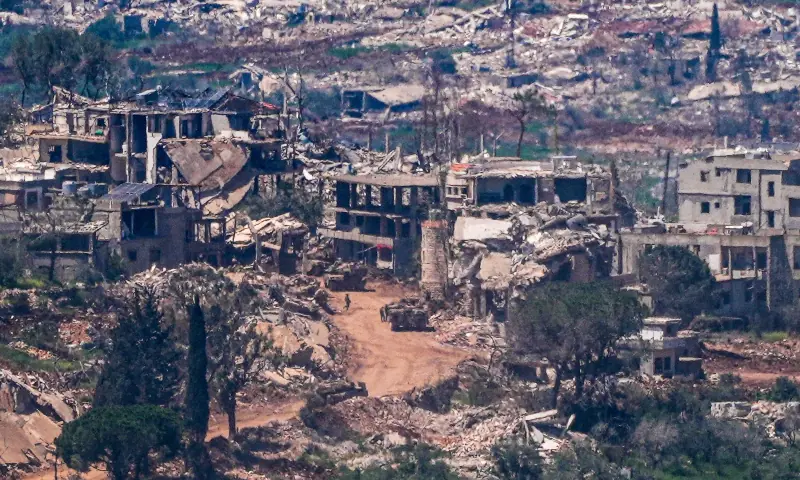
Amid the fallout from the strike on Iran, related developments in the Israel-Lebanon theater have seen a temporary extension of hostilities' pause.[1] President Donald Trump announced on Thursday that Israel and Lebanon have extended their ceasefire by three weeks, a move made during his meeting with ambassadors from both nations.[1] This extension occurs despite recent Israeli strikes in Lebanon and fresh rocket fire from Hezbollah, which was notably absent from the Washington talks.[1]
These incidents illustrate the fragility of the truce, as ongoing skirmishes persist even as formal agreements are prolonged.[1] Hezbollah's rocket attacks add layers of complexity, signaling Iran's proxy network's continued activity independent of direct negotiations.[1] The ceasefire's shaky nature is further emphasized by Trump's involvement, positioning the U.S. as a mediator in peripheral conflicts while broader Iran talks falter.[1] Regionally, this development provides a counterpoint to the escalatory strike on Iran, offering a sliver of de-escalation amid widespread tensions.[1] Trump's announcement underscores efforts to contain spillover effects, though the exclusion of Hezbollah from talks raises questions about comprehensive peace.[1]
Current Status of Peace Efforts
Peace efforts involving the U.S. and Iran remain stalled, contributing to the tense environment surrounding recent military actions.[1] Negotiations to end the Middle East war have reached a standstill, as evidenced by the lack of progress in Washington discussions.[1] President Trump's optimism persists, however, with his statement that "there’s a very good chance of having peace" and that it "should be an easy" process.[1] This comes as the Israel-Lebanon ceasefire is extended, suggesting a bifurcated approach to regional stabilization.[1]
The stalling of Iran talks contrasts with these limited successes, highlighting diplomatic challenges in engaging Tehran directly.[1] Trump's meetings with ambassadors and public endorsements of peace indicate active U.S. involvement, yet the absence of breakthroughs points to entrenched positions.[1] Hezbollah's non-participation in Washington further complicates the landscape, as proxy dynamics influence the primary negotiations.[1] Overall, the current status reflects a holding pattern, where potential for resolution exists but is overshadowed by immediate conflicts like the strike on Iran.[1]
What to watch next: Observers should monitor the durability of the three-week Israel-Lebanon ceasefire extension announced by Trump, alongside any updates on Mojtaba Khamenei's condition and the trajectory of stalled U.S.-Iran peace talks, as recent strikes and rocket fire could precipitate further escalations.[1][3]