
Venezuela Earthquake Death Toll Rises to 3,889 After Magnitude-3.9 Aftershock
A magnitude-3.9 aftershock struck north-central Venezuela on 10 July 2026 near Naiguatá in La Guaira state, causing evacuations in parts of Caracas two weeks after twin earthquakes on 24 June killed nearly 3,900 people. The Venezuela earthquake has produced an official death toll that now stands at 3,889. [2]
Twin Earthquakes of 24 June
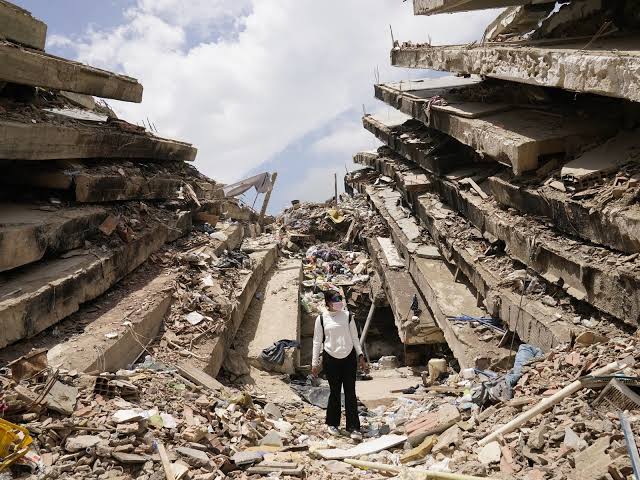
The 24 June events were a doublet of magnitude-7.2 and 7.5 quakes 39 seconds apart on the Boconó and San Sebastián faults at about 10 km depth. [1] Many Venezuelans perceived only a single earthquake, yet the analyses confirmed two separate events separated by just 39 seconds. [1] This sequence prolonged the ground motion and increased structural damage. [1] David Oglesby, professor of geophysics at the University of California, Riverside, stated that the first earthquake almost certainly triggered the second. [1] The initial rupture occurred on the Boconó fault and propagated eastward into densely populated zones along the San Sebastián fault. [1] Both events were shallow, beginning only about 10 km below the surface. [1] Vitor Silva, head of risk engineering at the Global Earthquake Model Foundation, noted that such shallow depth is almost the most superficial possible and produces greater violence at the surface. [1]
Why the Destruction Was So Severe
Multiple factors amplified destruction from the main quakes: shallow depth, directivity focusing energy eastward into populated zones, soft sedimentary soils that amplified shaking, and widespread construction deficiencies despite strong seismic codes on paper. [1] The New York Times analysis identified the combination of these elements as a destructive cocktail. [1] North of the fault, zones slid eastward while zones to the south moved westward, producing opposing ground displacement. [1] Satellite imagery comparisons showed that coastal regions such as La Guaira experienced terrain shifts of up to 45 cm westward. [1] The directivity effect, described by Oglesby as similar to ocean waves generating instability, likely intensified shaking east of the rupture and contributed to the difference between buildings that remained standing with damage and those that collapsed completely. [1] Many urban areas sat on soft sediments that amplified vibrations when soil frequencies matched building frequencies. [1] In Caraballeda, satellite analyses indicated at least 152 buildings destroyed, while near Playa Grande at least 246 buildings were destroyed, most constructed on the same soft soil along the coast. [1] Venezuelan seismic norms rank among the best in Latin America on paper, yet the destruction revealed that many buildings were not constructed in accordance with those standards. [1] Typical failures included weak ground-floor levels, unreinforced columns, and older structures never updated. [1]
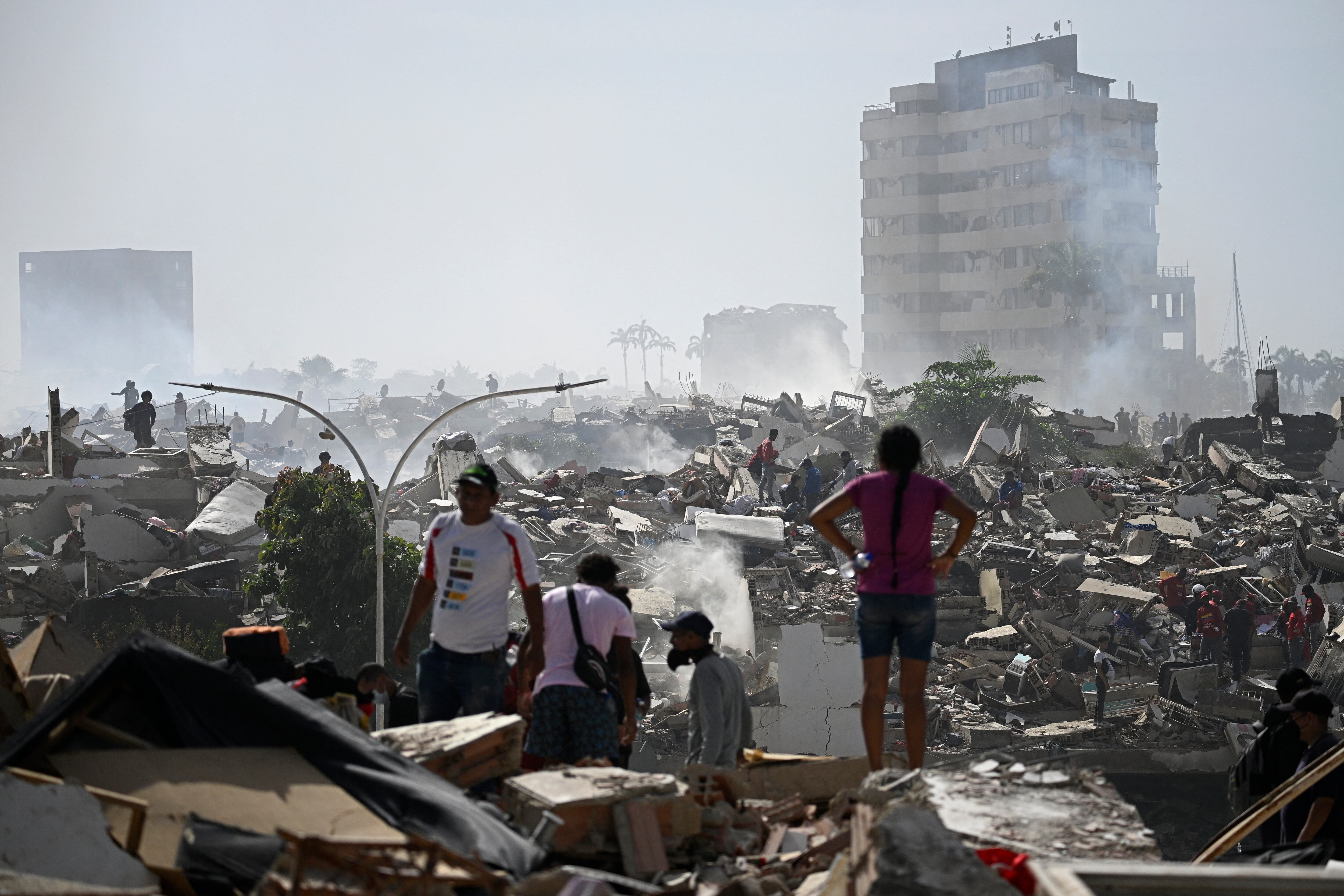
Magnitude-3.9 aftershock strikes north-central Venezuela near Naiguatá in La Guaira state. — Source: gdelt
Latest Aftershock on 10 July
The aftershock at 10:53 a.m. was felt in Caracas districts such as La Candelaria, Los Ruices, Plaza Venezuela and Chacao but caused no reported injuries or damage. [2] The Fundación Venezolana de Investigaciones Sismológicas reported the magnitude-3.9 event with its epicenter 10 km northeast of Naiguatá in La Guaira state. [2] Residents reported vibrations in buildings and homes through social media. [2] Although the tremor prompted evacuations from commercial buildings and offices in several Caracas sectors, authorities classified the magnitude as moderate and ruled out material damage or casualties. [3] Some preliminary mapping had listed an initial magnitude of 4.3 before the official Funvisis report. [4] The event occurred at a depth of 5.5 km according to one report and 9.9 km according to another. [3][4] Citizens evacuated buildings after feeling the shaking, and building administrators asked people to remain outside for several hours as a precaution. [2] Authorities urged residents to stay alert for possible further aftershocks and to remain calm. [2]
Current Humanitarian and Recovery Numbers
Official toll stands at 3,889 dead, 16,740 injured, 856 buildings damaged including 190 collapsed, and 17,907 homes lost or severely affected. [2] The Asamblea Nacional, through its president Jorge Rodríguez, confirmed these updated figures, noting an increase of 78 deaths from the previous count. [2] Venezuelan authorities have attended to 86,794 families, rescued 6,462 people, and distributed more than 9,603 tonnes of food. [2] A total of 3,931 international rescuers and 30,076 Venezuelan personnel remain deployed for recovery operations. [2] International rescuers and Venezuelan personnel continue recovery operations while a national debate has begun on improving cement quality, structural standards and enforcement for reconstruction. [2]
Reconstruction Debate and Cement Standards
International rescuers and Venezuelan personnel continue recovery operations while a national debate has begun on improving cement quality, structural standards and enforcement for reconstruction. [5] Orlando Chirinos, president of the United Federation of Cement Workers of Venezuela, called for resumption of structural-grade Type I Portland cement production. [5] He argued that the blended CPCA-1 cement now dominant should be reserved mainly for non-structural uses such as plastering and flooring. [5] Venezuela’s cement plants currently produce roughly one million tonnes annually despite an installed capacity approaching nine million tonnes. [5] The federation stated that restoring both production volumes and structural-grade cement manufacturing must become a priority. [5] Earthquake engineering experts caution against attributing building failures to any single material and note that modern seismic performance depends on structural design, reinforcement detailing, foundation engineering, soil conditions, construction quality, inspection regimes and building-code enforcement. [5] Even premium cement can fail if reinforcement is inadequate or quality control is weak. [5] Japan’s approach integrates rigorous geotechnical investigations, high-quality reinforced concrete, strict supervision, continuous material testing and demanding seismic regulations. [5] For critical facilities, additional technologies such as base isolation further reduce damage. [5] Specialists suggest Venezuela could improve resilience by restoring structural-grade Portland cement production where required, strengthening quality-control procedures, enforcing modern reinforcement detailing, requiring comprehensive geotechnical investigations and reserving advanced technologies for hospitals, schools and emergency facilities. [5] Such measures would generally increase construction costs by approximately 10-20 percent compared with conventional reinforced-concrete construction. [5]
What to watch next: Ongoing recovery operations will continue alongside the national discussion on restoring structural-grade cement production, enforcing seismic reinforcement standards and implementing geotechnical requirements for future construction.