
Strike Iran: Thirteen US troops killed in war, CENTCOM reports
In a significant escalation of the ongoing conflict, thirteen US troops have been killed and nearly four hundred wounded in the Iran war, according to a report from US Central Command (CENTCOM).[5] This strike Iran incident underscores the intensifying military engagements in the region, drawing immediate attention to the human cost of the hostilities.
Overview of the Iran War Incident
The core of this breaking development centers on the heavy casualties suffered by US forces amid the Iran war. CENTCOM has confirmed that thirteen American troops lost their lives, with nearly four hundred others sustaining wounds in what marks one of the most severe tolls reported thus far in the conflict.[5] This announcement from the US military's Central Command highlights the direct confrontation involving American personnel, positioning it as the primary event fueling global concern over the strike Iran operations.
Details from CENTCOM's statement emphasize the scale of the losses, with the wounded figure approaching four hundred, reflecting the intensity of the engagement.[5] Such numbers provide a stark illustration of the risks faced by US troops deployed in the theater, where operations against Iranian targets have evidently resulted in substantial backlash. The report does not specify the exact location or nature of the strike beyond its context within the broader Iran war, but its release by CENTCOM serves to officially document the incident for military and public records.[5]
This event stands as a pivotal moment, as the confirmed deaths and injuries signal a potential shift in the conflict's trajectory. CENTCOM's role in overseeing operations in the Middle East places this strike Iran update in the heart of US strategic interests, where troop safety and mission continuity are paramount.[5] The precision of the casualty figures—thirteen killed and nearly four hundred wounded—offers a quantifiable measure of the engagement's ferocity, prompting assessments of tactical responses and reinforcements.[5]
Related Attacks in the Region
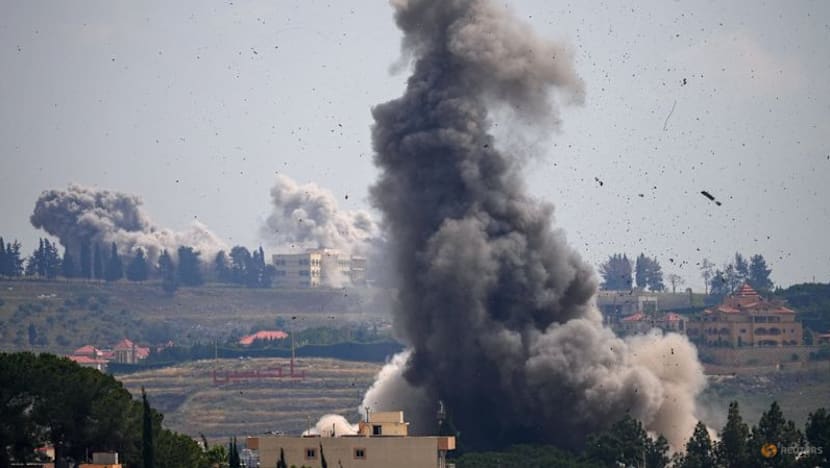
Amid the strike Iran developments, a series of connected incidents across the Middle East illustrates the widening scope of tensions linked to Iranian activities. In southern Lebanon, a French soldier serving with the United Nations Interim Force in Lebanon (UNIFIL) was killed in an attack that also wounded three others.[1] French President Emmanuel Macron stated that "everything suggests" responsibility lies with Hezbollah, the Iran-backed militant group, though Hezbollah has denied any involvement.[1]
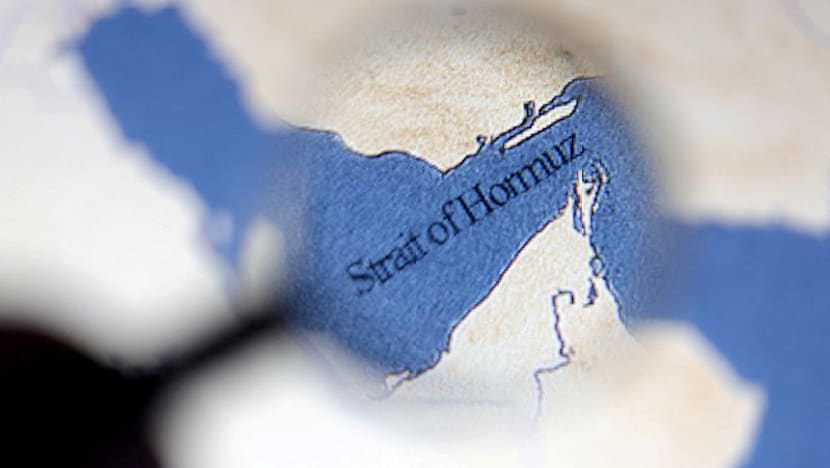
Further complicating the regional picture, two Indian-flagged ships came under attack while crossing the Strait of Hormuz, a critical chokepoint for global trade.[2] This incident aligns with reports of trade ships being hit in the same strait as efforts by Iran to reopen navigation falter.[4] These strikes on commercial vessels underscore the vulnerability of maritime routes to the ongoing hostilities, connecting the naval disruptions directly to the broader Iran war context.[2][4]
The French UNIFIL casualty adds a multinational dimension, with Macron's attribution to Hezbollah pointing to Iran's proxy networks as a vector for escalation.[1] Similarly, the attacks on Indian-flagged and other trade ships in the Strait of Hormuz reveal patterns of interference that extend beyond direct US-Iran clashes, affecting neutral actors and international shipping lanes.[2][4] These events collectively paint a picture of synchronized pressures, where Iranian influence manifests through both proxy actions and maritime aggression.[1][2][4]
Iran's Actions in the Strait of Hormuz
Iran has explicitly linked its maritime strategy to US policies, vowing to maintain blockades in the Strait of Hormuz. Following the attack on two Indian-flagged ships crossing the strait, Iranian officials declared on April 18 that they would continue blocking transit for as long as the US enforces a blockade on Iranian ports.[2] This stance comes amid reports that trade ships have been hit in the strait, coinciding with faltering attempts to restore open navigation.[4]
The Strait of Hormuz, a narrow waterway vital for oil exports, has become a flashpoint where Iran's retaliatory measures directly challenge US naval presence.[2][4] By conditioning the end of its transit blocks on the lifting of the US port blockade, Iran frames its actions as a mirror response, escalating economic warfare alongside military strikes.[2] The recent hits on trade ships further demonstrate the practical impact, as reopening efforts stall under the weight of these confrontations.[4]
These developments in the strait not only heighten risks for commercial traffic but also amplify the strike Iran tensions, with Iran's persistent blockade signaling no immediate de-escalation.[2][4] The involvement of Indian-flagged vessels highlights the global ramifications, as non-combatant shipping bears the brunt of the standoff.[2]
Broader Regional Impacts
Iranian military actions are reverberating beyond immediate battlefields, affecting civilian areas in allied nations. In Saudi Arabia's Al Kharj oasis, located in the eye of the storm, residents are adapting to life under Iranian fire, as documented in recent coverage published on April 18.[3] This Saudi oasis, traditionally a serene agricultural hub, now contends with the realities of proximity to conflict zones targeted by Iranian strikes.[3]
The adaptation in Al Kharj reflects the spillover effects of the Iran war, where Iranian projectiles reach deep into Saudi territory, disrupting daily life and infrastructure.[3] Coverage of the oasis under fire provides a ground-level view of resilience amid vulnerability, illustrating how Iranian aggression extends its reach to non-combat zones.[3] This incident broadens the conflict's footprint, compelling Saudi communities to fortify against ongoing threats from Iran.[3]
Current Status and Statements
Official responses to these developments reveal a tense standoff with no clear resolution in sight. CENTCOM's report on the thirteen US troops killed and nearly four hundred wounded remains the definitive account of the strike Iran casualties, guiding US military posture.[5] In Lebanon, Macron's assertion of Hezbollah's likely role—backed by Iran—contrasts with the group's denial, leaving attribution contested but pointedly tied to Iranian proxies.[1]
Iran's position on the Strait of Hormuz blockade persists, with statements tying it explicitly to the US port restrictions, even as ship attacks continue.[2] The faltering reopening of the strait compounds these challenges, with trade disruptions ongoing.[4] Collectively, these statements from Macron, Iranian officials, and CENTCOM frame the situation as fluid, with proxy attacks, naval blockades, and direct strikes defining the current dynamics.[1][2][5]
What to watch next
Monitor CENTCOM updates on US casualties and responses to the Iran war strike, alongside Iran's Strait of Hormuz blockade enforcement and potential Hezbollah reactions to accusations in Lebanon.[1][2][5]