
Strike Iran: Thirteen US Troops Killed in War as Reported by CENTCOM
Thirteen US troops were killed and nearly four hundred wounded in the Iran war, as reported by CENTCOM.[3] The strike Iran conflict has escalated with significant military casualties on the US side, alongside disruptions in key maritime routes and regional impacts from ongoing hostilities.
Overview of the Iran Conflict
The Iran conflict has seen intense military engagements, marked by substantial US losses as detailed by CENTCOM. According to reports, thirteen US troops have been killed and nearly four hundred wounded in the war with Iran.[3] This toll underscores the ferocity of the operations, reflecting a broader pattern of direct confrontations that have defined the conflict's trajectory. CENTCOM's assessment highlights the scale of the engagements, positioning the strike Iran campaign as a central element of recent US military involvement in the region.[3]
Military developments have unfolded rapidly, with the conflict drawing in multiple actors and leading to repeated violations of ceasefires. The US and Israel initiated their war on Iran on February 28, setting the stage for prolonged hostilities.[5] A subsequent two-week truce announced on April 8 between the US and Iran has faced multiple breaches, complicating efforts to de-escalate.[5] These violations, numbering in the dozens based on reported patterns, indicate persistent instability and a failure of diplomatic pauses to hold amid ongoing strikes and counterstrikes.[3][5] The CENTCOM report on casualties provides a stark metric for evaluating the conflict's human cost, emphasizing how ground and air operations have intensified since the truce's announcement.[3]
This overview captures the main military developments, where US forces have borne significant losses while navigating a landscape of fragile agreements and renewed aggressions. The reported figures from CENTCOM serve as a benchmark for the conflict's severity, informing strategic assessments and public discourse on the war's progress.[3]
Incidents in the Strait of Hormuz
The Strait of Hormuz has emerged as a flashpoint, with trade ships struck amid faltering Iranian reopening efforts.[2] These incidents coincide with Iran's assertions of control over the vital waterway, escalating tensions in one of the world's most critical oil transit chokepoints.[4]
Specifically, two Indian-flagged tankers carrying crude oil came under gunfire in the Strait of Hormuz on Saturday.[4] Iran declared it would control traffic through the waterway in retaliation for an ongoing US naval blockade, prompting the direct attack on the vessels.[4] This move underscores Iran's strategy to leverage the strait amid broader conflict dynamics, where trade disruptions have compounded economic pressures.[2] Reports indicate that trade ships have been hit as Iran's attempts to reopen routes falter, signaling a breakdown in maritime security and potential long-term impacts on global energy supplies.[2]
The attacks highlight Iran's tactical use of the strait to assert dominance, with the firing upon the Indian tankers exemplifying the risks to neutral shipping.[4] Such events disrupt not only regional trade but also international commerce reliant on the strait, where roughly 20% of global oil passes through under normal conditions. Iran's control assertions, framed as retaliation, have drawn sharp international scrutiny, amplifying the waterway's role as a barometer for the conflict's escalation.[2][4]
Impact on Regional Locations
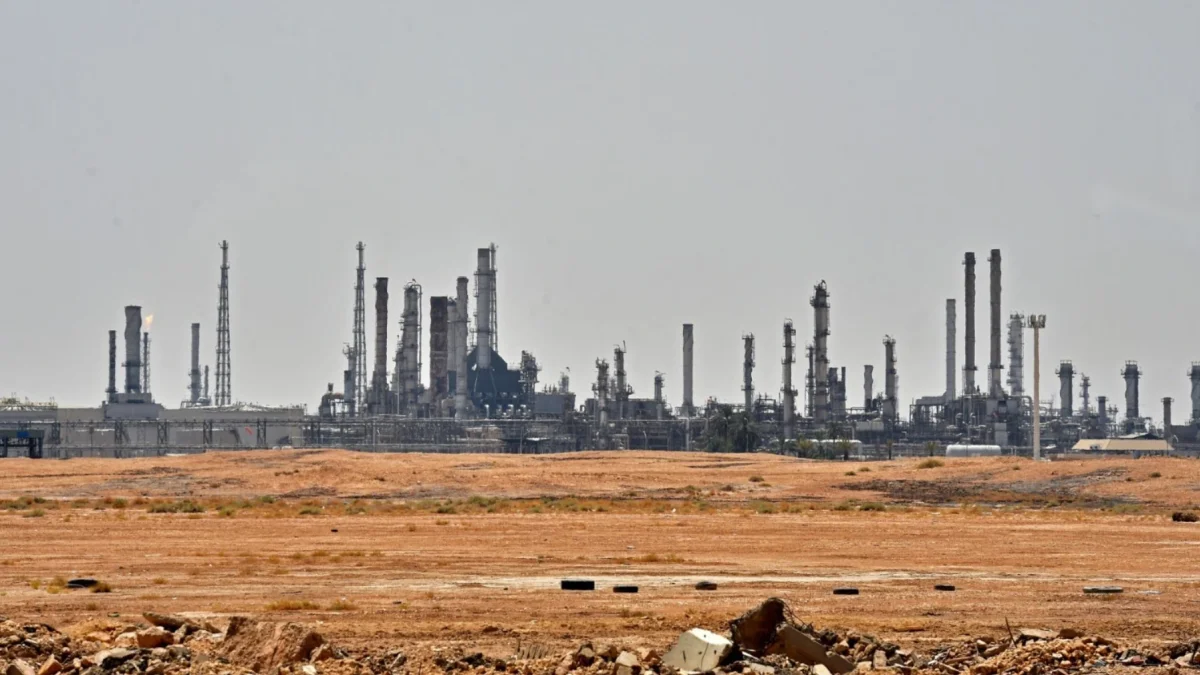
A Saudi oasis in Al Kharj is adapting to life under Iranian fire, placing it squarely in the eye of the storm.[1] This location, described as "Al Kharj en el ojo del huracán," illustrates the spillover effects of Iranian strikes on civilian and strategic areas within Saudi territory.[1]
Residents and infrastructure in Al Kharj are adjusting to persistent threats from Iranian attacks, transforming the once-tranquil oasis into a frontline zone.[1] Published reports from April 18 detail how the area endures ongoing bombardment, necessitating adaptations in daily life and security measures.[1] The proximity to conflict zones has heightened vulnerabilities, with Iranian fire targeting or affecting Saudi positions, thereby extending the war's reach beyond primary battlefields.[1]
This adaptation reflects broader regional strains, where non-combatant areas bear the indirect costs of escalation. The oasis's experience under fire provides a microcosm of how Iranian military actions reverberate across borders, influencing local resilience and potentially drawing further international involvement.[1]
Broader Involvement in the War
The war involves multiple nations, with the US and Israel launching operations against Iran, as contextualized by casualty reports and conflict timelines.[3][5] CENTCOM's disclosure of thirteen US troop deaths and nearly four hundred wounded frames the American stake in the strike Iran efforts.[3]
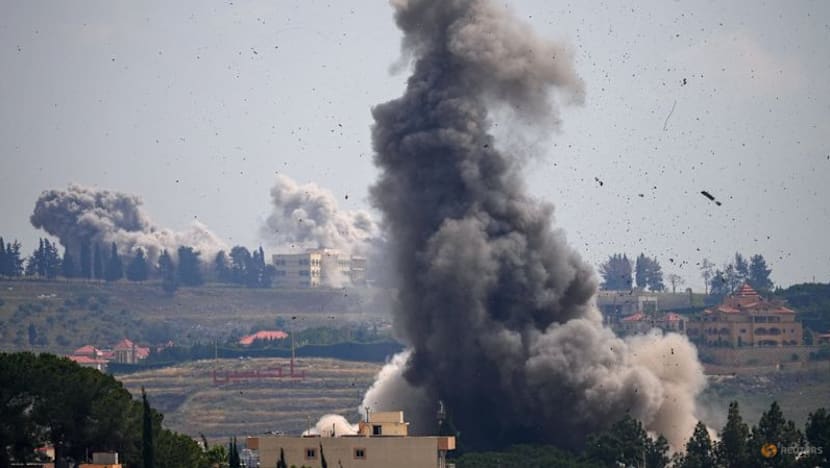
Israel's role intensified following the US-Iran truce on April 8, with simultaneous large-scale strikes on Lebanon amid the Iran war.[5] The conflict's origins trace to February 28, when the US and Israel initiated hostilities, leading to a truce violated multiple times thereafter.[5] This pattern of breaches—over 2,000 in related ceasefires, extending to the Iran front—highlights the interconnected nature of regional wars.[5]
India's indirect involvement surfaced through the targeting of its flagged tankers, though not as a primary belligerent.[4] These multinational threads weave a complex tapestry, where US-led casualties underscore the war's global implications, while Israeli actions and Iranian retorts broaden the theater.[3][5]
Current Status and Responses
Immediate diplomatic reactions have followed key incidents, particularly in the Strait of Hormuz.[4] Following the gunfire on two Indian-flagged tankers, the Indian Ministry of External Affairs summoned Iran's ambassador to New Delhi.[4] This summons occurred in direct response to Iran's assertion of control over the waterway and the attack framed as retaliation for the US naval blockade.[4]
The meeting addressed the implications of the assault on the crude oil carriers, signaling India's intent to protect its shipping interests amid the chaos.[4] Such responses indicate a diplomatic pushback against Iran's waterway dominance claims, potentially influencing future naval patrols and international coalitions.[4] The post-incident actions, as reported, mark a critical juncture in managing escalation through state-to-state channels.[4]
What to watch next: Monitor diplomatic fallout from India's ambassador summons and potential truce violations, as Iran maintains control assertions in the Strait of Hormuz amid ongoing US naval pressures.[4][5]