
Strike Involving Iran-Backed Forces Results in French Peacekeeper's Death in Lebanon
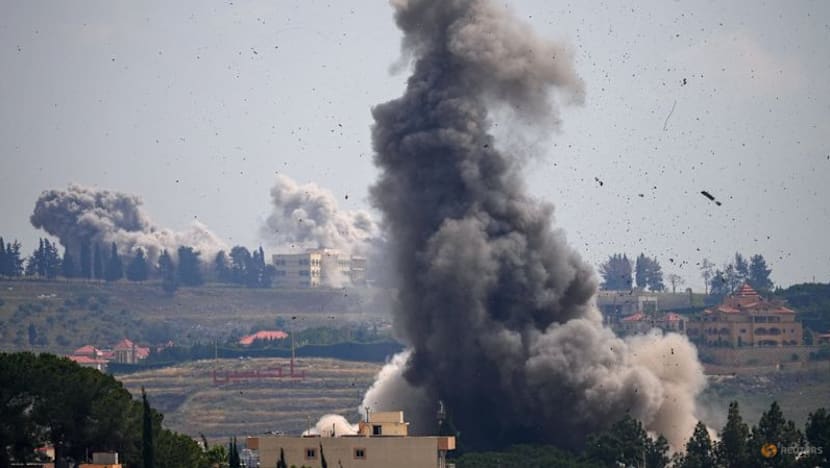
A French peacekeeper was killed in an attack in southern Lebanon, attributed to Iran-backed Hezbollah, amid reports of gunfire and attacks on ships near the Strait of Hormuz involving Iran.[1][4] Hezbollah has denied any connection to the attack on the French peacekeeper.[1] In a related development, India summoned Iran's ambassador to express deep concern over attacks on Indian-flagged vessels near the Strait of Hormuz.[2] Iran has reimposed control over the Strait of Hormuz, with reports of gunfire and vessels being attacked, actions linked to protests against a US naval blockade according to sources.[3][5]
Overview of Recent Incidents
Recent tensions in the Middle East have escalated with a series of incidents linking Iran-backed groups and direct Iranian actions to attacks on international personnel and maritime traffic. In southern Lebanon, a French peacekeeper was killed during a road-clearing operation as part of the UN Interim Force in Lebanon (UNIFIL) mission, an event French officials and UNIFIL attributed to Iran-backed Hezbollah.[1][4] President Emmanuel Macron publicly blamed Hezbollah for the attack, describing it as unacceptable in communications with Lebanese leaders.[1][4] Hezbollah, the Iran-supported militant group, categorically denied any involvement in the incident.[1]
Concurrently, maritime security in the Strait of Hormuz has deteriorated sharply. Ships, including oil and gas tankers, reported gunfire as Iran reimposed control over the vital waterway.[3] Tracking data indicated a brief reopening allowed some vessels to pass on Saturday, but others retreated amid reports of attacks, with two vessels specifically noted as targeted before Iran closed the route again.[3] This followed Iran's reversal of a pledge to allow commercial traffic during a ceasefire, a move tied to protests against an ongoing US naval blockade.[3][5] Indian-flagged tankers were among those shot at near the strait, prompting diplomatic action from New Delhi.[2] These events have cast doubt on US President Donald Trump's recent optimism about a peace deal to end the US-Israeli war with Iran being "very close."[3] The convergence of these incidents—a strike Iran-backed forces are accused of in Lebanon and direct Iranian interference in the strait—highlights broadening regional instability, where UN peacekeeping efforts and global shipping lanes are directly threatened.[1][2][3][4][5]
Attack on UN Peacekeepers in Lebanon
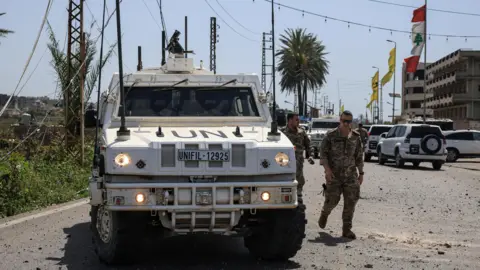
The attack on UN peacekeepers occurred while a French soldier and colleagues were clearing a road in southern Lebanon, a routine but hazardous task amid ongoing border tensions.[4] The soldier was killed, and three others were wounded in what UNIFIL peacekeepers and French officials described as likely the work of Iran-backed Hezbollah.[1][4] French President Emmanuel Macron condemned the "unacceptable attack" in direct calls with Lebanese President Joseph Aoun and Prime Minister Nawaf Salam, underscoring France's firm stance on the protection of its troops serving under the UN flag.[4]
Hezbollah swiftly rejected any connection to the incident, issuing a denial that contrasted sharply with the attributions from French and UN sources.[1] This event marks a significant escalation in threats to UNIFIL, which has maintained a presence in southern Lebanon to monitor ceasefire agreements between Israel and Hezbollah since 1978, though its mandate has faced repeated challenges from cross-border activities.[1][4] The precision of the attack during a road-clearing operation suggests targeted hostility toward international forces, potentially complicating peacekeeping efforts in an area long dominated by Hezbollah's influence.[4] Macron's office emphasized the condemnation as a signal of France's commitment to holding perpetrators accountable, though Hezbollah's denial leaves room for ongoing investigations into the exact circumstances.[1][4]
Incidents Near the Strait of Hormuz
The Strait of Hormuz, a chokepoint for roughly 20% of global oil trade, has become a flashpoint as Iran reimposes control amid reports of gunfire and vessel attacks.[3][5] On Saturday, a handful of oil and gas tankers managed to cross during a brief reopening, but tracking data showed others retreating, with two reportedly attacked as Iran shut the route once more.[3] Iran's army has begun targeting vessels attempting passage, explicitly in response to a US naval blockade.[5] This "strike Iran" actions have disrupted commercial traffic, reversing an earlier pledge tied to a ceasefire in the broader US-Israeli conflict with Iran.[3][5]
India's foreign ministry highlighted two Indian-flagged vessels coming under fire near the strait, incidents that occurred earlier the same day and prompted urgent diplomatic measures.[2] The toing and froing—openings followed by abrupt closures—has sown uncertainty in shipping routes, directly challenging assurances of stability.[3] Iran's moves are framed as a protest against the US blockade, escalating maritime confrontations that could impact global energy supplies if prolonged.[3][5] Reports from the scene, including gunfire alerts from ships, indicate a heightened military posture by Iranian forces, transforming the strait from a commercial artery into a contested zone.[2][3][5]
International Responses
Nations with stakes in the region have reacted swiftly to these provocations. France, mourning the loss of its soldier, saw President Macron lead the charge by blaming Hezbollah and condemning the attack through high-level diplomatic channels with Lebanon.[1][4] This response not only honors the fallen peacekeeper but also signals potential repercussions for Iran-backed actors operating in Lebanon.[4]
India, focused on protecting its flagged vessels, summoned Iran's ambassador, Dr. Mohammad Fathali, for a meeting with the foreign secretary on Saturday evening.[2] The Ministry of External Affairs conveyed "deep concern" over the shooting incidents involving the two tankers, marking a pointed diplomatic protest against Iran's strait actions.[2] These summons and condemnations reflect a broader pattern of international pushback, where affected countries leverage diplomatic tools to demand accountability without immediate military escalation.[1][2][4] The responses underscore vulnerabilities in multinational peacekeeping and trade routes, prompting calls for de-escalation amid fears of wider conflict.[2][4]
Current Status of the Situation
Iran's reclosure of the Strait of Hormuz persists, with its army continuing attacks on vessels amid the US naval blockade.[3][5] The brief reopening on Saturday allowed limited crossings, but the subsequent attacks and shutdown have left shipping in limbo, questioning the viability of any ceasefire pledges.[3] Doubt lingers over US President Trump's claim that a peace deal is "very close," as Iran's actions signal unresolved grievances fueling the standoff.[3]
In Lebanon, the aftermath of the peacekeeper's death involves ongoing assessments by UNIFIL and French forces, though Hezbollah's denial complicates attributions.[1][4] Maritime traffic remains precarious, with retreat of tankers and gunfire reports indicating no immediate return to normalcy.[3][5] These developments maintain pressure on diplomatic channels, as international actors monitor for further encroachments.[3][5]
What to watch next: Observers will track Iran's adherence to any strait reopenings amid protests against the US blockade, alongside investigations into the Lebanon attack and potential French or Indian escalations in response to ongoing vessel threats.[3][5][2]