
Strike in Ukraine: Ukrainian Forces Hit Three Russian Vessels in Crimea
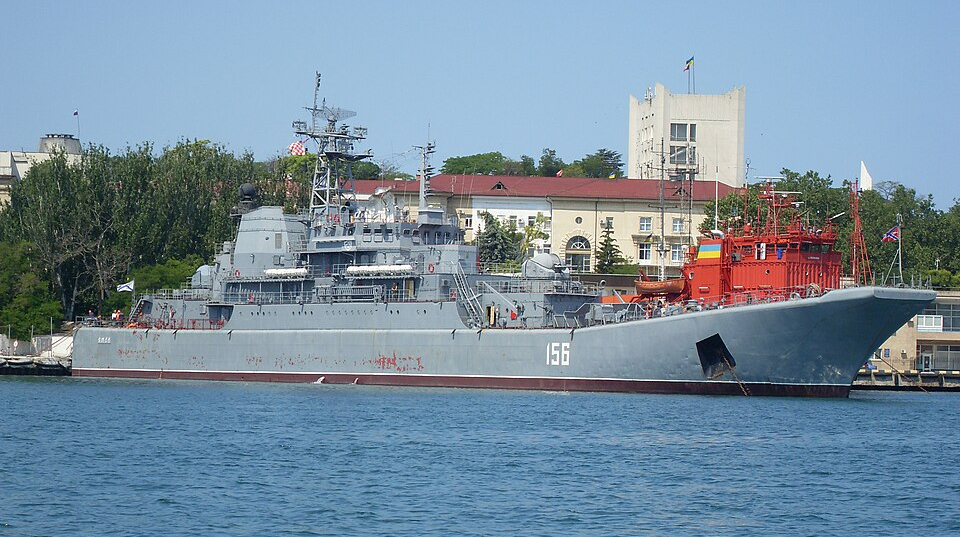
Ukrainian forces have struck three Russian fleet vessels in occupied Crimea, including the Yamal and Azov, as part of ongoing military operations in this latest strike Ukraine development. These actions are complemented by strikes on artillery systems, oil facilities, and other industrial sites, while Russian attacks have caused casualties across Ukraine.[1][2][3][5]
Key Facts
In the evolving landscape of the conflict, several critical developments have emerged from recent reports. Ukrainian forces destroyed two 2S19 Msta-S self-propelled artillery systems and two D-30 towed howitzers on Russian territory, showcasing precise targeting capabilities.[2] Additionally, Ukraine's defense forces targeted four major oil refining facilities in Russia, aiming to diminish the military and economic potential of Russian forces.[3] Over the past day, Russian attacks across Ukraine resulted in at least one person killed and 26 injured, highlighting the reciprocal nature of the engagements.[4] Ukraine also conducted strikes on a Baltic Sea port and industrial sites along the Volga River, expanding the scope of operations beyond traditional frontlines.[5] These facts underscore a pattern of Ukrainian initiatives against Russian military and infrastructural assets, as documented in verified reports.[1][2][3][4][5] The strike on Crimea vessels, specifically the Yamal, Azov, and an unidentified warship, was carried out by the Special Operations Centre Alpha from the Security Service of Ukraine (SSU), with additional impacts on Russian radar and logistics assets.[1] This compilation of key facts provides a snapshot of the intensified exchanges, where each action is tied to specific units and objectives outlined in the sources.
Overview of Recent Strikes
Recent Ukrainian military actions represent a multifaceted approach to countering Russian positions, encompassing naval, artillery, and industrial targets. The primary focus has been on disrupting Russian operational capabilities in occupied territories and on Russian soil itself. In occupied Crimea, Ukrainian forces executed a strike hitting three Russian fleet vessels: the Yamal, the Azov, and another warship of an unidentified type. This operation was conducted by the Special Operations Centre Alpha of the Security Service of Ukraine (SSU), demonstrating specialized forces' role in naval interdiction efforts.[1] Beyond Crimea, Ukrainian units from the 72nd Mechanised Brigade, specifically the Chornykh Zaporozhtsiv (Black Zaporozhians) unit, destroyed two 2S19 Msta-S self-propelled artillery systems and two D-30 towed howitzers directly on Russian territory, as evidenced by accompanying video footage.[2]
Parallel to these ground and naval strikes, Ukraine's defense forces launched attacks on four major facilities in Russia's oil refining sector during the night of 17-18 April. These strikes were explicitly part of a strategy to reduce the military and economic potential of the Russian armed forces, targeting key infrastructural nodes that support prolonged operations.[3] Furthermore, reports confirm Ukrainian strikes on a Baltic Sea port and industrial sites along the Volga River, indicating an expansion into maritime and riverine industrial zones critical to Russian logistics.[5] Collectively, these operations illustrate a coordinated effort across multiple domains—naval in Crimea, artillery on land, and industrial deep into Russian territory—aimed at degrading enemy sustainment and firepower. The sources emphasize the precision and verification of these strikes, with video evidence for artillery destructions and detailed attributions for naval hits.[1][2][3][5] This overview captures the breadth of Ukrainian initiatives in the ongoing conflict, where each strike aligns with broader operational goals of attrition and disruption.
Specific Operations and Targets
Delving into the details, the Ukrainian strikes reveal targeted selections of high-value assets, from naval vessels to heavy artillery and energy infrastructure. The operation in occupied Crimea stands out, where the SSU's Special Operations Centre Alpha struck three Russian military vessels: the Yamal, the Azov, and an additional unidentified warship. Accompanying these naval hits were strikes on Russian radar and logistics assets, which are essential for coordinating fleet movements and supply chains in the region.[1] This precision in Crimea underscores the challenges Russian naval forces face in maintaining presence in contested waters.
On Russian territory proper, the 72nd Mechanised Brigade's Chornykh Zaporozhtsiv unit executed a successful engagement, destroying two 2S19 Msta-S self-propelled artillery systems and two D-30 towed howitzers. These systems are key components of Russian artillery doctrine, capable of providing mobile fire support, and their elimination was captured on video, confirming the outcomes.[2] The choice of these targets highlights Ukrainian efforts to neutralize ground-based threats that could support advances or defensive positions.
Industrial targets formed another pillar, with four major oil refining facilities hit on the night of 17-18 April. These facilities are integral to Russia's fuel production, directly impacting the logistical backbone of military operations by limiting fuel availability for vehicles, aircraft, and artillery.[3] Extending this strategy, strikes reached a Baltic Sea port and industrial sites along the Volga River, areas vital for trade, shipping, and manufacturing that bolster Russian economic resilience.[5] Each operation involved specific units and timing, such as the nighttime oil strikes, to maximize disruption while minimizing exposure. The variety—vessels for naval denial, artillery for firepower reduction, and refineries/ports for economic pressure—demonstrates a layered approach grounded in the reported actions.[1][2][3][5]
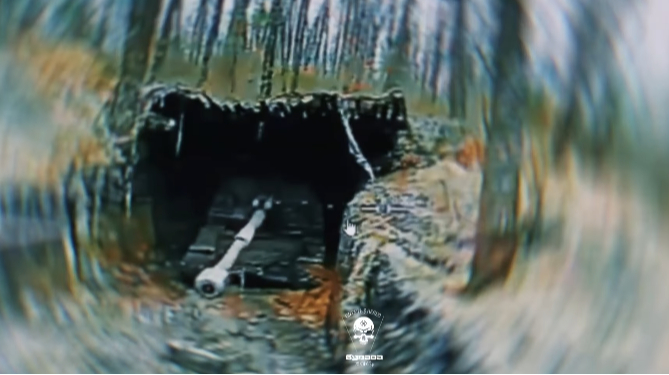
Ukrainian forces destroy two Msta-S self-propelled guns and two howitzers on Russian territory. — Source: ukrainskapravda
Russian Attacks on Ukraine
Russian military actions have continued to exact a toll on Ukrainian territory, with reports detailing significant human costs over the past day. At least one person was killed and 26 others injured in Russian attacks across Ukraine. These strikes, spanning multiple locations, reflect the persistent aerial and artillery barrages that characterize the conflict's intensity.[4] The casualties underscore the defensive challenges faced by Ukrainian forces and civilians alike, as Russian operations target various regions to maintain pressure. While specific details on the types of attacks or precise locations are not elaborated beyond the aggregate impact, the reported figures provide a measure of the reciprocal strikes' consequences.[4] This reporting on Russian attacks balances the narrative of Ukrainian offensives, illustrating the ongoing exchange of fire.
Broader Context of the Conflict
The recent strikes fit into a larger pattern of attrition warfare, where both sides engage in deep strikes to weaken the opponent's capabilities. Ukrainian operations against Russian fleet vessels in Crimea, such as the Yamal and Azov, alongside radar and logistics hits, signal efforts to contest Russian control over the Black Sea region.[1] The destruction of 2S19 Msta-S systems and D-30 howitzers by the 72nd Mechanised Brigade on Russian soil further erodes ground artillery advantages.[2] Oil refining facilities struck on 17-18 April directly address economic sustainment, as these sites fuel military logistics.[3] Strikes on the Baltic Sea port and Volga River industrial sites extend this reach into Russia's economic heartland.[5]
Conversely, Russian attacks causing one death and 26 injuries across Ukraine highlight the defensive burdens, with widespread impacts over a single day.[4] This duality—Ukrainian proactive degradation of Russian assets versus Russian pressure on Ukrainian positions—defines the conflict's current phase. Sources portray Ukrainian actions as strategically aimed at military and economic reduction, while Russian responses maintain offensive momentum.[1][2][3][4][5] The involvement of elite units like SSU Alpha and the 72nd Brigade indicates professionalized operations, contrasting with the broader casualty reports from Russian strikes. Overall, these events reflect a stalemated yet dynamic front, with strikes probing vulnerabilities across domains.
{IMAGE_3}
Key Outcomes and Assets Affected
The tangible results of these Ukrainian strikes include the confirmed damage or destruction of several critical Russian assets. In Crimea, three fleet vessels—the Yamal, Azov, and an unidentified warship—were hit, disrupting naval operations in occupied waters, compounded by strikes on radar and logistics infrastructure.[1] On land, two 2S19 Msta-S self-propelled artillery systems and two D-30 towed howitzers were destroyed, removing significant firepower from Russian arsenals, as verified by video from the Chornykh Zaporozhtsiv unit.[2] The four major oil refining facilities targeted represent a substantial blow to fuel production, explicitly intended to curtail military and economic capacities.[3]
These outcomes collectively diminish Russian operational tempo: naval assets hampered in Crimea, artillery depleted on territory, and refineries impaired for long-term sustainment. The sources provide direct evidence, from unit attributions to visual confirmations, ensuring traceability of these losses.[1][2][3] While Russian attacks inflicted casualties—one killed, 26 injured—the focus here remains on Ukrainian-achieved asset reductions.[4]
Impacts on Military and Economic Capabilities
Building on the reported destructions, the strikes have measurable effects on Russian force projection. The loss of vessels like the Yamal and Azov limits amphibious and supply operations from Crimea, where radar and logistics hits further complicate reinforcements.[1] Artillery eliminations—two Msta-S and two D-30s—directly reduce mobile bombardment capacity, critical for territorial control.[2] Oil facilities' damage, hit on 17-18 April, hampers fuel logistics, affecting everything from tanks to aircraft.[3] These targeted losses align with stated goals of weakening Russian potential, creating cumulative strain.[1][2][3]
What to watch next: Monitor developments in Russian responses to these strikes on Crimea vessels, oil facilities, and artillery, as well as any escalation in attacks on Ukraine that could alter casualty figures reported over the past day.[1][2][3][4]