
Strike in Ukraine: Russia Launches Missiles and Drones Causing Explosions in Multiple Cities
Russia launched missiles and drones towards Ukraine, causing explosions in multiple cities in this latest strike in Ukraine, with a significant escalation in aerial attacks recorded in March 2026.[1][2] These incidents highlight an intensified phase of aerial bombardment, as documented by monitoring organizations and official reports, amid ongoing conflict dynamics.
Key Facts
The core elements of recent developments in the strike in Ukraine include several verified incidents and statistics. Over 3,500 air and drone strikes were recorded across Ukraine in March 2026, according to data from the Armed Conflict Location & Event Data Project (ACLED).[2] This figure underscores the scale of aerial operations during that month. Notably, a single 24-hour period between 23 and 24 March 2026 witnessed the launch of 948 drones, marking the largest such attack since the full-scale invasion began in February 2022, again per ACLED records.[2] On the defensive side, Ukraine's Air Force successfully downed a Russian attack drone on 24 April 2026, with video evidence released to confirm the interception.[3] Ukrainian forces also executed a precision strike on an apartment in occupied Donetsk, targeting what were alleged to be FSB officers.[4] Furthermore, Ukraine confirmed damage inflicted on a drone production plant in Taganrog, Russia, operated by the Atlant Aero defence company, as well as an FSB patrol ship in temporarily occupied Crimea, according to the General Staff of the Armed Forces of Ukraine.[5] These facts provide a snapshot of the reciprocal military actions, with Russian aerial offensives met by Ukrainian interceptions and counterstrikes.
Overview of Recent Strikes
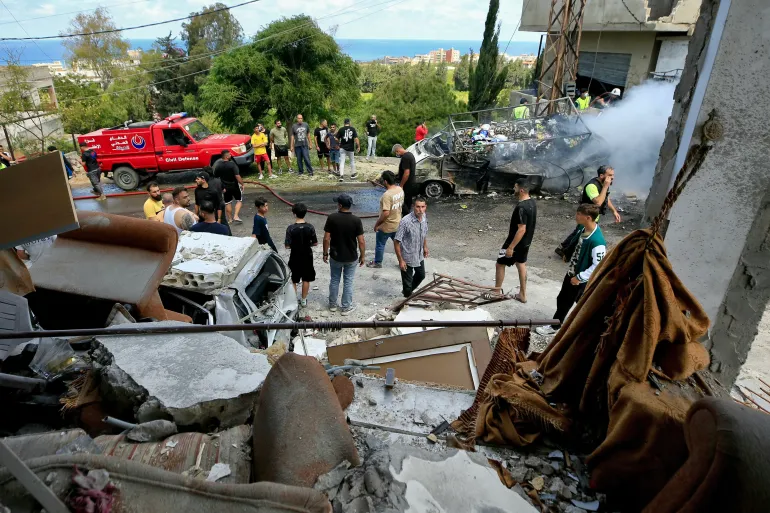
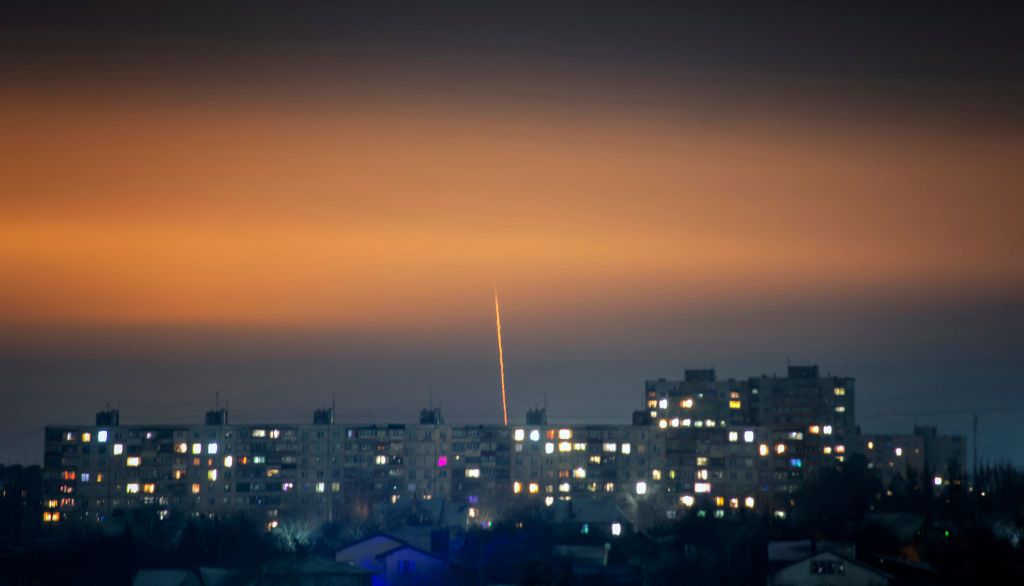
Russia's recent launches of missiles and drones towards Ukraine have resulted in explosions reported in multiple cities, signaling a pattern of widespread aerial assaults.[1] These strikes form part of a broader escalation observed in March 2026, where Ukraine experienced over 3,500 air and drone strikes in that month alone, as tracked by ACLED.[2] The Health Cluster Bulletin for March 2026 from ReliefWeb details this uptick, noting that aerial attacks intensified compared to the earlier months of the year.[2] Explosions echoing across various urban areas illustrate the geographic spread of these operations, with Russia's missile and drone barrages aimed at targets within Ukraine.[1] This overview captures the initial responses from Ukrainian authorities and monitoring groups, which have consistently documented the frequency and intensity of such incursions. The combination of missiles and drones in these strikes allows for a layered approach, potentially overwhelming defenses and extending reach into civilian-populated regions.[1][2] Official reports emphasize the immediacy of these events, with sounds of detonations heard simultaneously in several locations, prompting air raid alerts and defensive measures nationwide.[1] The context provided by the Health Cluster underscores how these strikes contribute to a strained humanitarian environment, setting the stage for deeper analysis of their volume and consequences.[2]

Ukraine Health Cluster Bulletin for March 2026. — Source: reliefweb
Escalation in Aerial Attacks
The escalation in aerial attacks on Ukraine reached new heights in March 2026, with ACLED recording over 3,500 air and drone strikes throughout the month.[2] This represents a marked increase relative to the first two months of the year, as outlined in the Ukraine Health Cluster Bulletin #3.[2] A particularly intense episode occurred between 23 and 24 March 2026, when 948 drones were launched in a single 24-hour period—the largest drone attack of its kind since the conflict's escalation in February 2022.[2] This volume of drone deployments highlights the sustained and amplified nature of Russian aerial operations, pushing the boundaries of previous assault scales.[2] The data from ACLED, referenced in the bulletin, provides a quantitative measure of this surge, illustrating how March became a pivotal month for intensified bombardment.[2] Such large-scale launches, especially the record-breaking 948 drones in one day, indicate strategic shifts towards massed unmanned aerial vehicle usage, potentially aimed at saturating Ukrainian air defenses.[2] The Health Cluster's documentation ties this escalation directly to broader impacts, though the focus here remains on the sheer scale and frequency of the strikes themselves.[2] These figures not only quantify the uptick but also contextualize it against historical benchmarks since early 2022, emphasizing the ongoing evolution of aerial warfare tactics in the conflict.[2]
Ukrainian Defensive Actions
Ukraine's Air Force demonstrated its defensive capabilities by downing a Russian attack drone on the morning of 24 April 2026.[3] The incident was captured in a video released by the Air Force, showing a fiery Shahed drone in the morning sky as it was intercepted.[3] This successful downing exemplifies routine yet critical defensive operations against incoming threats, with the visual evidence serving to verify the engagement's outcome.[3] In the context of persistent aerial incursions, such interceptions are vital for mitigating potential damage from Russian drones targeting various regions.[3] The release of the video by Ukraine's Air Force not only confirms the event but also communicates operational effectiveness to both domestic and international audiences.[3] This action on 24 April follows patterns seen in earlier months, where Ukrainian defenses have faced waves of drones and missiles, including the massive 948-drone assault in late March.[2][3] The downing of the Shahed drone underscores the technical proficiency of Ukraine's air defense systems in neutralizing individual threats amid high-volume attacks.[3]
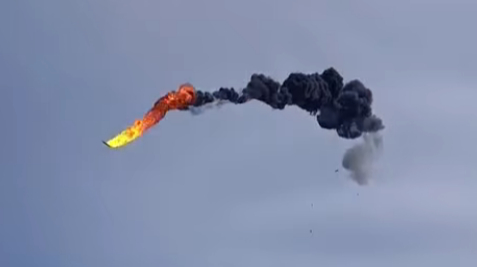
A fiery Russian drone falls in the morning sky after being downed by Ukraine's Air Force on 24 April. — Source: ukrainskapravda
Ukrainian Offensive Operations
Ukrainian forces have conducted targeted strikes against Russian assets, including a high-precision operation in occupied Donetsk.[4] This involved a "train" of eight drones entering an apartment allegedly housing 12 FSB officers, as detailed in battlefield updates.[4] The precision of this strike highlights advanced drone tactics employed by Ukraine to reach deep into occupied territories.[4] Separately, the General Staff of the Armed Forces of Ukraine confirmed damage to the Atlant Aero defence company's drone plant in Taganrog, Russia, and an FSB patrol ship in temporarily occupied Crimea.[5] These confirmations indicate successful hits on key infrastructure and naval assets linked to Russian security and production capabilities.[5] The Donetsk operation, occurring amid a largely static front line, demonstrates Ukraine's ability to execute complex, multi-drone assaults on high-value personnel targets.[4] Meanwhile, the strikes on the Taganrog facility disrupt drone manufacturing, directly countering Russia's aerial escalation, while the damage to the FSB patrol ship affects operations in Crimea.[5] These offensive actions reflect a proactive stance, balancing defensive needs with retaliatory precision.[4][5]
Impact on Civilians and Infrastructure
Civilian casualties in Ukraine rose sharply in March 2026 due to the escalated aerial attacks, with 211 people killed and 1,206 injured, according to the Health Cluster Bulletin.[2] This data, drawn from ACLED-tracked incidents, illustrates the human toll of the over 3,500 air and drone strikes that month.[2] The bulletin notes a 49 percent increase reported by the UN Human Rights Monitoring Mission in Ukraine (HRMMU), though specifics on the baseline are tied to prior periods.[2] Infrastructure across multiple cities bore the brunt of explosions from missile and drone strikes, exacerbating vulnerabilities in urban areas.[1][2] The sharp rise in injuries and deaths correlates directly with the intensified bombardment, including peak events like the 948-drone attack.[2] Health sector responses have been strained by these figures, as the cluster documentation implies through its focus on March's events.[2] While front-line dynamics remain static in some areas, the civilian impact from aerial operations underscores the broader consequences on daily life and essential services.[2][4]
Developments in the Conflict
Recent updates reveal interconnected military actions, from Russia's mass drone launches to Ukraine's counterstrikes on production sites and personnel.[2][4][5] The confirmed damage to facilities like the Atlant Aero plant in Taganrog directly addresses the escalation in drone usage observed in March.[2][5] Similarly, interceptions such as the 24 April drone downing continue to counter ongoing threats.[3] These elements, including the Donetsk apartment strike targeting alleged FSB officers, point to targeted responses amid persistent aerial pressure.[4] The Health Cluster's casualty data further contextualizes the stakes, with hundreds affected monthly.[2]
What to watch next: Continued monitoring of aerial strike volumes, as ACLED data shows potential for further escalation beyond March 2026 levels, alongside Ukrainian confirmations of strikes on Russian drone production and security assets.[2][5]