
Strike in Lebanon: Hezbollah Calls Ceasefire Meaningless Amid Continued Fighting
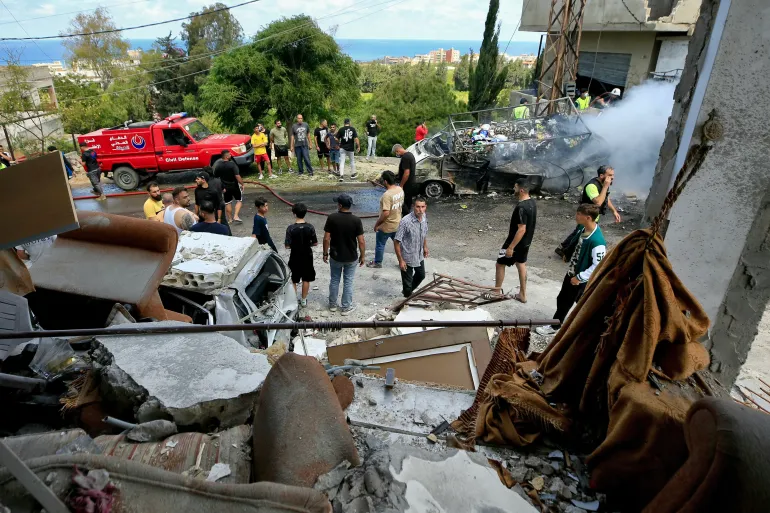
Hezbollah has declared a US-mediated ceasefire meaningless as fighting continues in Lebanon, with reports of casualties and military engagements.[1] The group's statement came just a day after the ceasefire was extended for three weeks, highlighting immediate challenges to the truce amid ongoing Israeli strikes and Hezbollah responses in southern Lebanon.[1] Lebanese authorities reported two people killed by an Israeli strike, while the Israeli military detailed clashes resulting in Hezbollah casualties.[1]
Overview of the Ceasefire and Ongoing Conflict
The US-mediated ceasefire between Hezbollah and Israel, recently extended for an additional three weeks, has been swiftly undermined by persistent hostilities on the ground.[1] Hezbollah's pronouncement that the agreement is "meaningless" underscores a rapid breakdown in adherence, as both sides reported military actions shortly after the extension.[1] This development in Lebanon reflects a pattern where diplomatic pauses fail to halt kinetic operations, with Lebanese authorities documenting fresh violence even as international mediation efforts continue.
Central to the overview is the timing of these events: Hezbollah's dismissal arrived in Beirut amid reports of an Israeli strike that claimed lives, signaling that the ceasefire lacks the enforcement mechanisms needed to pause the conflict.[1] The Israeli military's claims of neutralizing Hezbollah fighters further illustrate the bilateral nature of the engagements, occurring in a southern Lebanese town.[1] This ongoing conflict status raises questions about the ceasefire's viability, as initial reports from both parties indicate no de-escalation. The extension, intended to provide a window for broader negotiations, instead coincides with verified incidents of combat, pointing to entrenched positions that prioritize military objectives over immediate restraint.[1]
In this context, the ceasefire's "meaningless" label from Hezbollah encapsulates broader frustrations with US mediation, which has not translated into observable halts in operations.[1] Lebanese reports of strikes and Israeli assertions of targeted killings form the baseline of continued fighting, setting a tense backdrop for any future diplomatic initiatives. The persistence of these activities just one day post-extension suggests that underlying grievances—territorial disputes, cross-border incursions, and retaliatory cycles—remain unaddressed, perpetuating a cycle of violence in southern Lebanon.[1]
Recent Casualties and Attacks
Recent casualties from an Israeli strike in Lebanon have intensified scrutiny on the ceasefire's effectiveness, with Lebanese authorities confirming two people killed in the incident.[1] This strike represents one of the first reported violations following the truce extension, contributing to the narrative of unabated hostilities.[1][2] The Israeli military, in parallel, reported a clash in a southern Lebanese town where its forces engaged Hezbollah fighters, though specific casualty figures from Lebanese perspectives on this event were not detailed in immediate updates.[1]
These attacks align with a surge in violence, as documented by local reports emphasizing the human cost amid the strike Lebanon continues to endure.[1] The immediacy of these events—one day after the ceasefire prolongation—demonstrates how fragile peace initiatives are in the face of operational momentum. Lebanese monitoring has captured the strike's lethal outcome, with two fatalities underscoring the precision and impact of such operations.[1] Meanwhile, the broader clash reported by Israel involved a firefight, indicating close-quarters combat that heightens risks for civilians and combatants alike.[1]
{IMAGE_2}
Death Toll and Injuries Update
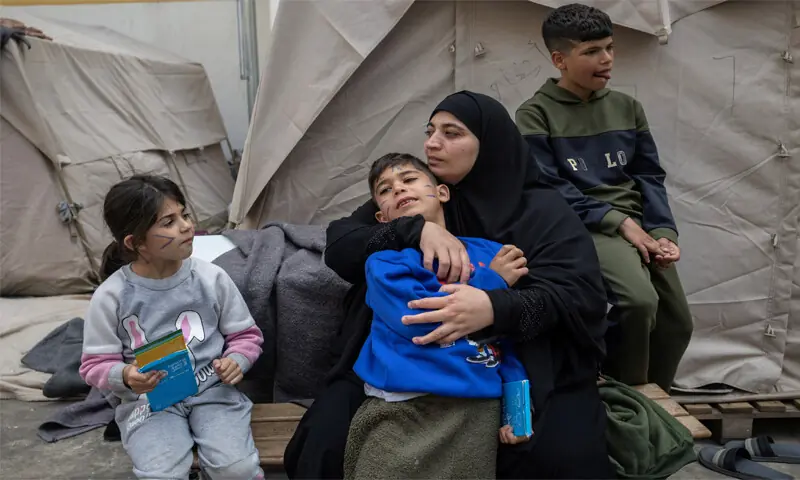
The Lebanese Health Ministry has provided a comprehensive update on the escalating toll, stating that eight more people were killed in Israeli attacks, bringing the total death toll since March to 2,491.[2] Additionally, 12 others were injured over the past day, pushing the cumulative number of injuries to 7,719.[2] This data captures the sustained intensity of the conflict, with the latest fatalities adding to a grim ledger that reflects months of intermittent and intensifying exchanges.
These figures from the ministry highlight the disproportionate burden on Lebanon, where Israeli attacks have methodically contributed to rising numbers.[2] The past day's injuries—12 in total—indicate not only lethal strikes but also widespread shrapnel and blast effects impacting communities.[2] Since March, the 2,491 deaths represent a steady accumulation, driven by repeated incursions and aerial operations that the ministry attributes directly to Israeli actions.[2] This update serves as a quantitative measure of the ceasefire's failure to stem losses, as the eight new deaths occurred amid the truce's early phase.[2]
Analyzing the ministry's tallies reveals a trajectory of escalation: from initial skirmishes to a death toll surpassing 2,400, with injuries nearly quadrupling in scope.[2] The past 24 hours alone account for significant additions, suggesting that attacks persist at a pace undeterred by diplomatic overtures. Lebanon's health infrastructure faces mounting pressure from these 7,719 injuries, many likely requiring long-term care, further straining resources in a nation already grappling with conflict's aftermath.[2]
Military Engagements by Involved Parties
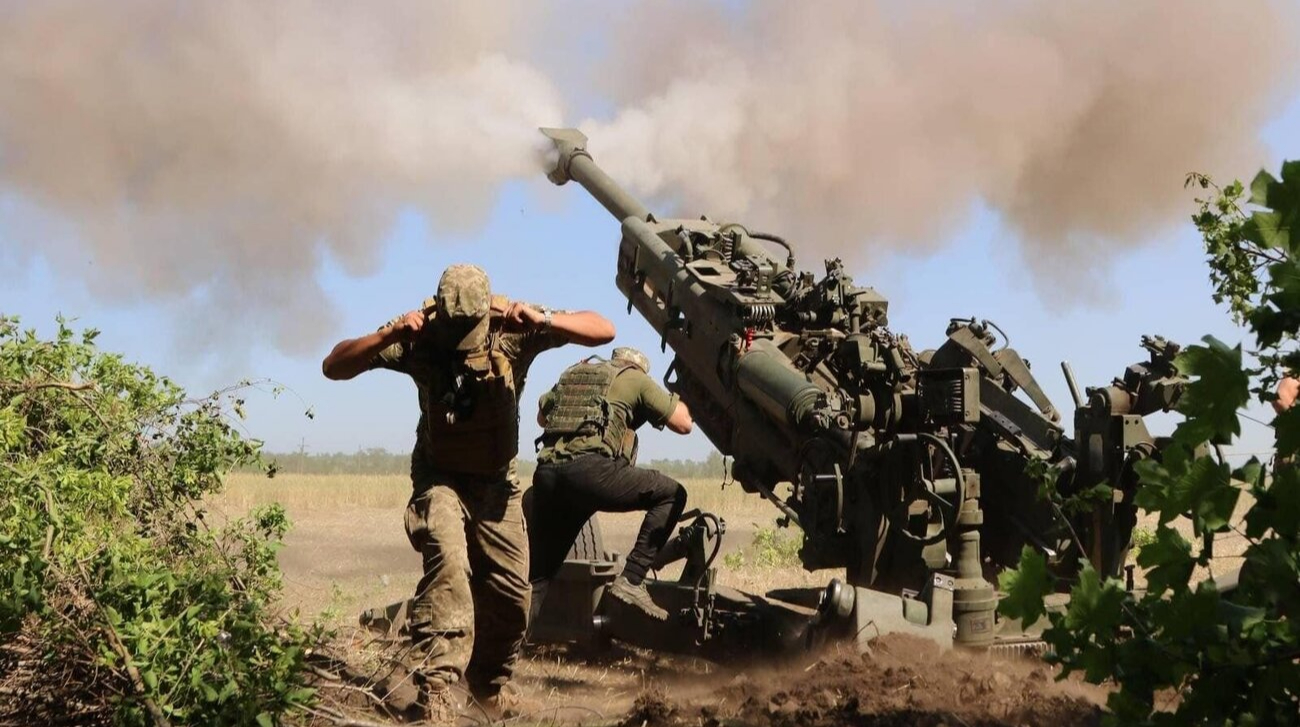
Hezbollah reported targeting Israeli troops with a drone in southern Lebanon, alongside claiming to have shot down an Israeli drone using a surface-to-air missile in the skies over the Househ area near Tyre.[5][1] These actions complement earlier incidents, including Hezbollah's downing of another Israeli drone, as stated by the group following the strike Lebanon witnessed.[1][5] The Israeli side countered with operations in the town of Bint Jbeil, where troops identified and killed six Hezbollah fighters during a firefight.[1]
Hezbollah's drone operations mark a tactical emphasis on surveillance and precision strikes against Israeli positions, with the surface-to-air missile success over Househ demonstrating enhanced air defense capabilities.[5] The targeting of troops in southern Lebanon via drone aligns with Hezbollah's strategy of asymmetric responses, aiming to disrupt ground advances.[5] Israel's engagement in Bint Jbeil involved direct identification of fighters, leading to a clash that eliminated six operatives, per military accounts.[1] This firefight exemplifies ground-level confrontations that persist despite aerial truces.
The interplay of these engagements—drones, missiles, and infantry combat—illustrates a multi-domain conflict where neither side yields initiative.[1][5] Hezbollah's dual drone claims, one offensive and one defensive, signal bolstered technological integration, while Israel's town-based operation reflects efforts to clear Hezbollah presence in border areas.[1][5] Bint Jbeil's role as a focal point for these fighters underscores its strategic value, repeatedly drawing clashes.[1]
International Legal Concerns
A UN report has warned that Israeli attacks on Lebanon may violate international humanitarian law, while also noting that Hezbollah's rocket attacks on Israel could breach the same standards.[3] This dual assessment from the United Nations highlights potential legal infractions by both parties, framing the conflict within established global norms.
The report's focus on Israeli attacks points to concerns over proportionality, civilian impacts, and targeting practices in Lebanon.[3] Conversely, Hezbollah's rocket barrages into Israel are flagged for indiscriminate effects, potentially endangering non-combatants.[3] These warnings come amid ongoing operations, urging compliance with humanitarian principles that protect civilians and limit military necessity.
International scrutiny of this nature amplifies pressure on mediators, as violations could complicate future ceasefires or invite sanctions.[3] The UN's balanced critique—addressing both Israeli strikes and Hezbollah rockets—emphasizes mutual accountability, essential for any resolution.[3]
{IMAGE_3}
Evidence of Destruction in Lebanon
Satellite images have revealed the scale of Israeli destruction in Lebanon, drawing comparisons to tactics observed in Gaza, often referred to as the "Gaza playbook."[4] These visuals provide irrefutable documentation of widespread damage from repeated strikes and ground operations, affecting infrastructure and populated areas.
The imagery underscores a systematic pattern of devastation, with structures leveled across targeted zones in southern Lebanon.[4] This evidence aligns with casualty reports, illustrating how attacks translate into physical ruin.[4] The "Gaza playbook" reference implies replicated strategies of intense bombardment, now applied in Lebanese contexts, amplifying long-term reconstruction challenges.[4]
Such satellite confirmation lends credibility to ground reports, evidencing the conflict's material toll beyond human losses.[4] Lebanon's landscape bears scars from these operations, complicating any post-ceasefire recovery.[4]
What to watch next: With Hezbollah deeming the ceasefire meaningless and fresh strikes reported, monitors will track compliance in southern Lebanon, including drone activities and town clashes, as the three-week extension tests diplomatic limits.[1][5]