Strike in Lebanon: UN Peacekeeper Dies from March Attack
In the latest strike in Lebanon, an Indonesian UN peacekeeper has died from wounds sustained during an attack on his base on March 29, as announced by the UN mission in Lebanon.[1][3][4] This development comes amid a series of violent incidents in southern Lebanon, including an Israeli airstrike on the town of Touline that killed two people despite an ongoing ceasefire.[2] Since March 29, three Indonesian UNIFIL peacekeepers have been killed in the region,[4] while an Israeli soldier was wounded in a drone attack, contributing to 735 soldiers wounded since the Iran war began on February 28.[5] French President Emmanuel Macron has called on the European Union to intensify efforts to restore stability in the Middle East.[1][3]
Death of UN Peacekeeper in Lebanon
The United Nations mission in Lebanon, known as UNIFIL, reported on Friday that an Indonesian peacekeeper succumbed to injuries from an attack on his base that occurred on March 29.[1][3][4] This incident underscores the perilous environment faced by international forces stationed in southern Lebanon, where peacekeepers are tasked with monitoring ceasefire agreements and maintaining stability along the volatile border areas. The peacekeeper's death marks a tragic outcome from wounds initially sustained in what has been described as a blast or attack directly targeting the base.[4]
Details from the UN mission indicate that the Indonesian national was among those hurt in the March 29 event, with his condition deteriorating over time until his passing was confirmed recently.[1][3] France24 coverage highlighted this loss, noting the peacekeeper's role within the multinational force operating under UNIFIL auspices.[1][3] Anadolu Agency further specified the nationality and the context of the blast, emphasizing that this was not an isolated case but part of a pattern affecting Indonesian contingents.[4]
The attack on the base represents a direct threat to UN personnel, who have been deployed to southern Lebanon for decades to oversee the fragile truce between Israel and Hezbollah forces. While the exact circumstances of the March 29 incident—whether it involved explosives, shelling, or another method—remain tied to the sources' descriptions of a "blast" or "attack,"[4][1][3] the resulting fatality brings attention to the human cost borne by troop-contributing nations like Indonesia. UNIFIL has long operated in this area, patrolling to prevent escalations, but such strikes highlight vulnerabilities even at established bases.
This death prompts reflection on the broader security challenges for peacekeepers. The UN mission's statement underscores the timing, with the peacekeeper holding on for weeks before succumbing, a detail that illustrates the severity of his injuries and the medical efforts involved.[1][3][4] Indonesian forces, as part of UNIFIL's over 10,000-strong contingent from various countries, have been particularly active in patrols and observations, making them frequent targets in flare-ups. The loss of this individual adds to the tally of those sacrificed in the line of duty, serving as a somber reminder of the risks in enforcing international mandates amid local hostilities.
Airstrike in Southern Lebanon
An Israeli airstrike targeted the southern Lebanon town of Touline at dawn, resulting in the deaths of two people despite the existence of a ceasefire agreement.[2] This strike in Lebanon exemplifies ongoing truce violations, as reported by Anadolu Agency, which detailed the early morning timing and the immediate fatalities.[2]
The incident in Touline occurred in a context of persistent tensions, where ceasefire terms are frequently tested by actions from various parties. The airstrike's precision and outcome—killing two individuals—highlight the lethality of such operations, even as diplomatic efforts aim to hold the line on hostilities.[2] Anadolu's reporting frames this as part of a continuum of violations, suggesting that the dawn raid was not an anomaly but indicative of broader instability in southern Lebanon.[2]
Touline, located in the volatile southern region, has seen repeated military activity, and this particular strike underscores the challenges in maintaining the ceasefire. The two killed represent civilian or local casualties in an area proximate to UNIFIL positions and Israeli border operations. The decision to conduct the airstrike amid truce conditions raises questions about the triggers, though sources limit details to the fact of the strike and its deadly impact.[2]
Such events disrupt the fragile peace, affecting communities and international observers alike. The reporting from Anadolu emphasizes the "despite ceasefire" element, pointing to a pattern where agreements are undermined by targeted actions.[2] This strike in Lebanon contributes to the cycle of retaliation and response that has characterized the region.
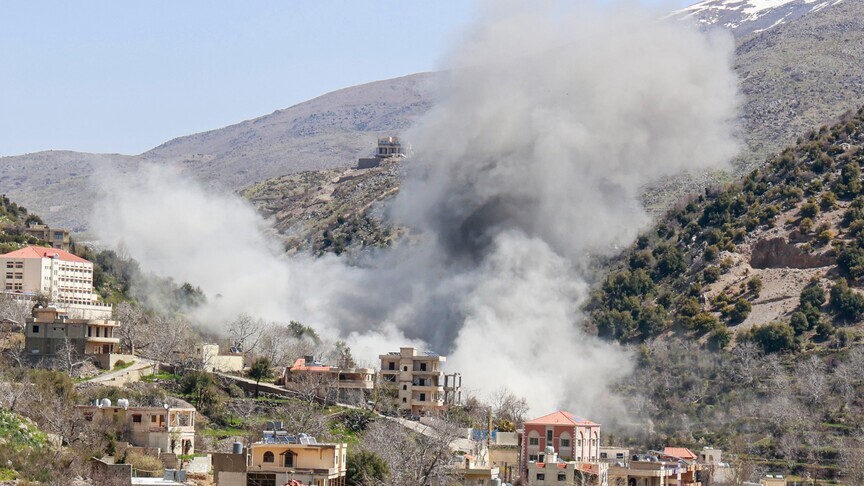
An Israeli airstrike on a southern Lebanon town killed two people despite a ceasefire. — Source: anadolu
Incidents Involving UNIFIL and Israeli Forces
Multiple incidents have impacted UNIFIL peacekeepers and Israeli forces in southern Lebanon, with three Indonesian UNIFIL personnel killed since March 29.[4] This figure includes the recent death from the base attack, compounding losses for the Indonesian contingent within the UN mission.[4]
Anadolu Agency's coverage links these fatalities directly to operations in southern Lebanon, where UNIFIL maintains a presence to monitor and report on ceasefire compliance.[4] The three deaths since late March signal an intensification of threats against peacekeepers, who navigate a landscape marked by cross-border fire and militant activities.[4]
Concurrently, an Israeli soldier sustained wounds in a drone attack in southern Lebanon.[5] This event adds to the toll on Israeli military personnel, with army data indicating 735 soldiers wounded since the Iran war commenced on February 28.[5] The drone strike represents asymmetric warfare tactics employed against Israeli positions, contributing to the cumulative casualties over the past month.[5]
These parallel incidents—UNIFIL losses from blasts and attacks, and Israeli injuries from drones—illustrate the multifaceted nature of violence in the area. UNIFIL's role places its troops in the crossfire, while Israeli forces respond to perceived threats, perpetuating a cycle.[4][5] The timing, with peacekeeper deaths clustered since March 29 and the drone attack amid ongoing operations, reflects heightened risks for all involved.[4][5]
International Responses to the Situation
French President Emmanuel Macron, arriving at an EU summit in Cyprus, urged the European Union to intensify its efforts to restore stability in the Middle East.[1][3] This call came in direct conjunction with news of the Indonesian peacekeeper's death, as reported by France24 correspondents.[1][3]
Macron's statement emphasizes Europe's role in addressing the escalating violence in Lebanon, particularly in southern areas where UNIFIL operates.[1][3] The timing—at an EU summit—positions the plea within a multilateral framework, seeking coordinated action to bolster peacekeeping and diplomatic initiatives.[1][3]
France24's Beirut correspondent, Renée Davis, provided on-the-ground context, linking the peacekeeper's death to Macron's remarks and underscoring the urgency for intensified EU involvement.[1][3] This response highlights France's longstanding interest in Lebanese stability, given historical ties and contributions to UNIFIL.
The appeal for EU action arrives against a backdrop of recent strikes and casualties, positioning international diplomacy as a counterweight to military incidents.[1][3]

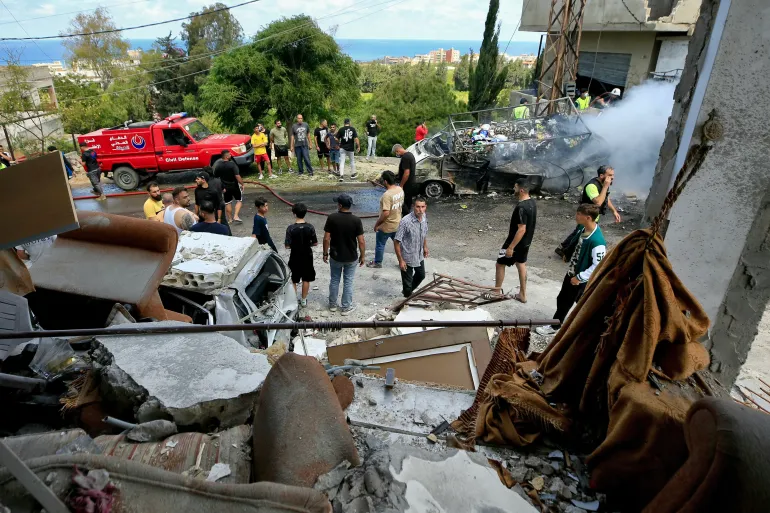
An Indonesian UN peacekeeper lies wounded after an attack in southern Lebanon. — Source: france24
Indonesian UNIFIL Casualties Since March 29
Since March 29, three Indonesian UNIFIL peacekeepers have lost their lives in southern Lebanon, with the most recent being the one who died from injuries sustained in the base attack.[4] This accumulation of fatalities within a short period points to a surge in dangers for the Indonesian battalion, a significant contributor to UNIFIL's manpower.[4]
Anadolu Agency's report details the blast-related death, integrating it into the tally of three, which likely encompasses the March 29 incident and subsequent events.[4] Indonesian peacekeepers, deployed in observation posts and patrol routes, have faced direct assaults, resulting in these irreplaceable losses.[4]
The clustering of deaths raises concerns about the security of UNIFIL positions, as bases and personnel become focal points amid escalating cross-border exchanges.[4] Each casualty diminishes the mission's capacity, straining resources and morale among troop contributors.[4]
This pattern since late March reflects broader instability, where peacekeepers bear the brunt of violations targeting their mandates.[4]
Israeli Military Casualties in Recent Operations
An Israeli soldier was wounded in a drone attack in southern Lebanon, part of a larger count of 735 soldiers injured since the Iran war began on February 28.[5] Army data tracks this extensive toll, linking the recent drone incident to ongoing hostilities.[5]
The drone attack exemplifies the use of unmanned aerial threats against Israeli forces positioned near the Lebanese border.[5] With 735 wounded over the period from late February, the cumulative impact on military readiness is evident, as reported by Anadolu Agency.[5]
Southern Lebanon serves as a hotspot for such engagements, where drones enable strikes from afar, wounding personnel in defensive postures.[5] The Iran war's start date frames these casualties within a wider regional conflict involving proxy dynamics.[5]
These injuries, including the latest, contribute to the strain on Israeli operations, mirroring the risks faced by opposing forces and peacekeepers.[5]
Strike in Lebanon: Broader Context of Ceasefire Challenges
The strike in Lebanon on Touline, killing two amid ceasefire terms, exemplifies persistent violations that undermine truce efforts.[2] Dawn timing and direct fatalities highlight operational boldness despite agreements.[2]
Combined with the peacekeeper base attack and drone incidents, these events illustrate a fragile security landscape.[1][2][3][4][5] Ceasefire breaches, as noted in reporting, continue to erode confidence in de-escalation.[2]
UNIFIL's experiences and Israeli responses feed into this dynamic, with international calls like Macron's seeking to recalibrate.[1][3]
What to watch next: Further developments in UNIFIL casualties and EU responses to stability efforts in the Middle East, as urged by French President Macron amid ongoing truce violations.[1][2][3]