War in Iran Drains U.S. Supplies of Critical Weapons at Nearly $1 Billion Daily Cost
The war in Iran has drained U.S. supplies of critical and costly weapons, with independent estimates placing the daily cost at nearly $1 billion.[1] This ongoing conflict, which began on February 28 according to reports on related regional developments,[4] continues to place significant strain on American military resources while rippling through global systems.
Key Facts on the Iran War
Several critical developments have emerged from the war in Iran and associated regional conflicts. Israel has reported a total of 735 soldiers injured since the start of the war, including 144 serious cases and 149 still under treatment.[3] The death toll from Israel's ongoing war on Gaza has reached 72,568, with 172,338 injured, according to Gaza's Health Ministry.[2] Panama Canal transit fees have more than doubled since the U.S. and Israel launched the war against Iran on February 28.[4] A truce in Lebanon has been extended, and U.S. President Trump has stated that the "clock is ticking" for Iran to make a deal.[2] Overall, the war in Iran is impacting the global economy, raising questions about its effects on international trade and resources.[5]
These facts underscore the multifaceted nature of the conflict, combining direct military engagements with broader economic and diplomatic pressures. The injury figures for Israeli soldiers highlight the intensity of operations since late February, while the Gaza statistics reflect the prolonged humanitarian toll in adjacent theaters.[2][3] The surge in Panama Canal fees points to disruptions in vital shipping routes, potentially tied to heightened tensions in the Middle East.[4] Meanwhile, diplomatic overtures, such as the Lebanon truce extension and Trump's warning, suggest efforts to contain escalation even as economic strains mount.[2]
Overview of the Iran War's Impact on U.S. Resources
The war in Iran has significantly depleted U.S. supplies of critical and costly weapons, marking a substantial logistical challenge for American forces.[1] According to reports from The Japan Times, this drain on resources has been acknowledged amid refusals from White House officials to provide an official cost estimate for the conflict to date.[1] Independent analyses, however, paint a stark picture, estimating the daily expense at just under $1 billion.[1] This figure encompasses the high-value munitions and advanced systems deployed in support of operations, underscoring the financial and material toll.
This depletion raises immediate concerns about the sustainability of U.S. involvement. Critical weapons, often precision-guided and technologically advanced, are not easily replenished in wartime quantities, potentially affecting readiness for prolonged engagements.[1] The White House's reticence to quantify costs may reflect the sensitivity of revealing exact figures, but the independent estimates provide a benchmark for understanding the scale. Just under $1 billion per day translates to billions over weeks or months, straining defense budgets already stretched by multiple global commitments.
Furthermore, the focus on costly weapons implies a reliance on high-end capabilities, such as air defense systems or long-range strike assets, which are vital in confronting Iran's defenses.[1] As supplies dwindle, questions arise about resupply timelines, production capacities, and potential shifts in strategy. This resource crunch not only impacts tactical operations but also signals to allies and adversaries alike the limits of U.S. endurance in the war in Iran.[1]
Military Casualties and Developments

Lebanon truce extended as Trump warns Iran to make a deal. — Source: aljazeera
Israel has reported a total of 735 soldiers injured since the start of the Iran war, with the latest update noting 45 soldiers wounded in recent actions.[3] Military data specifies 144 serious cases among the injured, alongside 149 still receiving treatment, illustrating the persistent human cost of the conflict.[3] These figures, accumulating since the war's onset on February 28,[4] reflect sustained combat intensity across fronts linked to the broader Iran engagement.
In parallel, the death toll from Israel's ongoing war on Gaza stands at 72,568, with 172,338 injured, as reported by Gaza's Health Ministry.[2] This casualty count highlights the interconnected nature of regional hostilities, where operations against Iran intersect with longstanding Gaza dynamics. The high numbers of injuries and ongoing treatments for Israeli forces suggest a grinding attrition, potentially complicating ground and air maneuvers.[3]
These developments indicate evolving battlefield conditions. The recent wounding of 45 soldiers brings the total to 735, a milestone that prompts scrutiny of protective measures and operational tempo.[3] Meanwhile, Gaza's mounting toll adds pressure on international observers, as the Health Ministry's data tracks a trajectory of severe losses.[2] Together, these reports from Anadolu Agency and Al Jazeera provide a snapshot of military strains amid the war in Iran.[2][3]
Economic Effects of the Iran War
Panama Canal transit fees have more than doubled since the U.S. and Israel launched the war against Iran on February 28, according to canal authorities cited in reports.[4] This sharp increase disrupts global shipping, as the canal handles a significant portion of international trade, particularly between Asia and the Americas. The fee hike, directly linked to the conflict's onset, amplifies costs for importers and exporters reliant on this route.[4]
The war in Iran is further impacting the world economy, with analyses questioning its broader repercussions on trade and resources.[5] CNN's coverage frames this as a high-stakes standoff, asking "Who will blink first as the Iran war hits the world economy?"[5] Such economic pressures manifest in elevated shipping costs, potential supply chain bottlenecks, and inflationary risks from disrupted flows.[4][5]
Independent estimates of U.S. daily costs nearing $1 billion also feed into this picture, as military expenditures indirectly influence global markets through defense spending and resource allocation.[1] The Panama Canal's fee surge, for instance, could reroute vessels, increasing fuel consumption and transit times, thereby raising commodity prices worldwide.[4] Combined with the war's drain on high-cost weapons, these effects compound, testing economic resilience.[1][5]
Diplomatic and Regional Updates
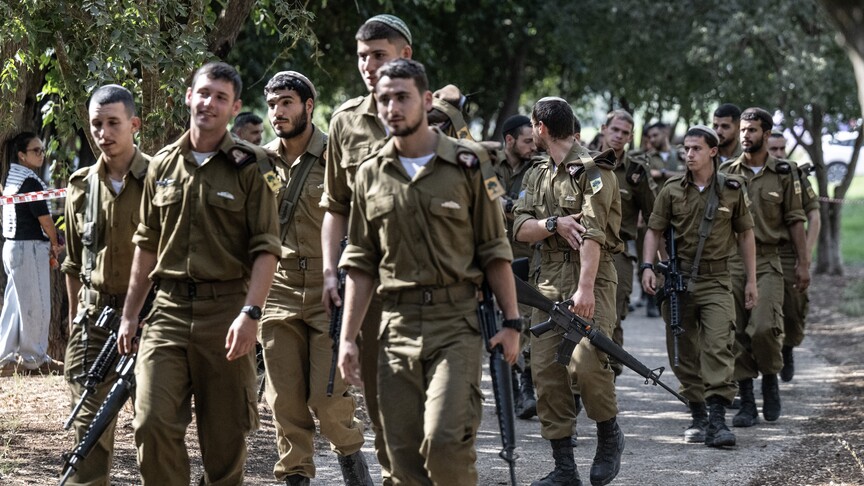
45 Israeli soldiers wounded in Iran war, bringing total injured to 735. — Source: anadolu
A truce in Lebanon has been extended, providing a temporary pause in one theater of the broader regional tensions tied to the Iran war.[2] Concurrently, U.S. President Trump has issued a stark warning, stating that the "clock is ticking" for Iran to make a deal.[2] This statement, reported by Al Jazeera, underscores diplomatic urgency amid ongoing hostilities.[2]
The Lebanon truce extension aims to stabilize the northern front, potentially allowing resources to focus elsewhere, such as the primary Iran theater.[2] Trump's rhetoric signals impatience from Washington, positioning negotiations as time-sensitive while military actions continue.[2] These updates reflect a dual track of diplomacy and deterrence.
In context, the truce follows patterns of fragile ceasefires in the region, often tested by cross-border incidents. Trump's "clock is ticking" comment may pressure Iran toward concessions, aligning with U.S. goals of de-escalation without full withdrawal.[2] As the war persists, such statements could foreshadow intensified talks or further escalation.
Broader Implications on International Affairs
The war in Iran extends beyond battlefields, affecting allied nations and global systems.[1][4][5] U.S. resource depletion at nearly $1 billion daily highlights vulnerabilities in sustaining coalitions, as critical weapon stocks diminish.[1] This strains partnerships, particularly with Israel, which reports 735 soldier injuries amid shared operations.[3]
Economic ripples, like doubled Panama Canal fees since February 28, disrupt international trade, forcing adjustments in logistics and commerce.[4] CNN's query on who "will blink first" captures the geopolitical brinkmanship, where economic hits could sway outcomes.[5] These pressures test global interdependence, from shipping lanes to energy markets.
For allies, the conflict amplifies risks; Israel's casualties and Gaza's toll illustrate interconnected costs.[2][3] Broader reports suggest a reevaluation of strategies, as U.S. costs mount and trade barriers rise.[1][4] The war's trajectory influences alliances, trade norms, and resource security worldwide.[5]
What to watch next
Key developments to monitor include Iran's response to President Trump's "clock is ticking" statement, potential further extensions of the Lebanon truce, and evolving Panama Canal fees amid ongoing economic strains from the war.[2][4][5] Updates on U.S. weapon resupply and Israeli casualty figures will also provide indicators of sustainability.[1][3]