
Strike in Lebanon: UN Peacekeeper Dies from Attack Wounds
A UN peacekeeper from Indonesia died from wounds sustained in an attack in Lebanon, as confirmed by the United Nations Interim Force in Lebanon (UNIFIL).[2][3][5] This incident underscores the fragile security situation in southern Lebanon amid ongoing military exchanges, including a Hezbollah drone strike on Israeli troops and an Israeli airstrike that killed two people despite a ceasefire.[1][4]
Recent Incidents in Southern Lebanon
Southern Lebanon has seen a series of military actions that highlight the persistent tensions between Hezbollah and Israeli forces, even as truce efforts remain in place. Hezbollah announced it had targeted Israeli troops with a drone in the region, an operation that reflects the group's continued engagement in cross-border activities.[1] In a related development, the Lebanese group claimed to have shot down an Israeli drone in the skies over the Househ area near Tyre using a surface-to-air missile, demonstrating its air defense capabilities in the area.[1] These actions come at a time when a ceasefire is supposed to be holding, yet reports indicate ongoing violations.
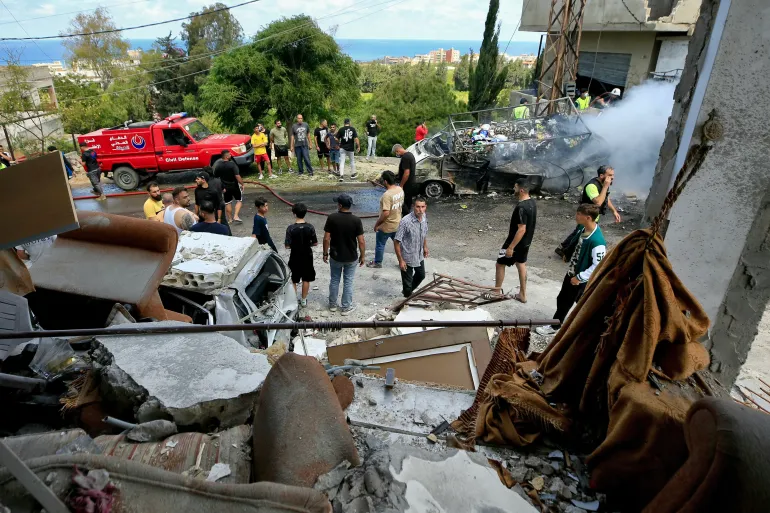
Compounding these events, an Israeli airstrike struck the southern Lebanon town of Touline at dawn, resulting in the deaths of two people.[4] This strike occurred despite the existence of a ceasefire agreement, pointing to what sources describe as continuing truce violations.[4] The timing and location of these incidents—clustered in southern Lebanon—illustrate a pattern of tit-for-tat operations that have strained peacekeeping efforts. UNIFIL's presence in the area, tasked with monitoring the Blue Line border, has been directly affected, as evidenced by the recent loss of personnel.[1][4] The combination of drone strikes, missile interceptions, and airstrikes suggests a volatile environment where both sides maintain active military postures, potentially undermining broader de-escalation initiatives. Such developments raise questions about the effectiveness of current truce mechanisms, as violations persist and civilian areas like Touline are impacted.[4]
Death of UN Peacekeeper
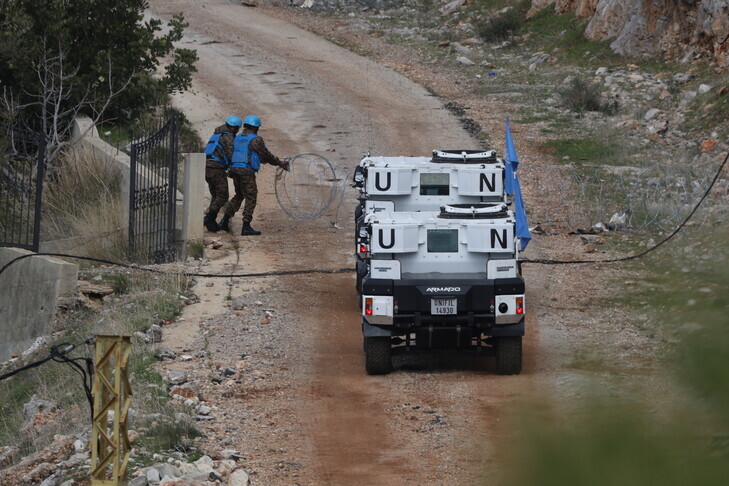
The United Nations Interim Force in Lebanon (UNIFIL) confirmed the death of an Indonesian peacekeeper who succumbed to severe wounds from an attack on March 29.[2][3][5] The peacekeeper died on Friday after suffering injuries during the assault on his base, marking a tragic loss for the multinational mission.[3][5] UNIFIL's statement detailed that the Indonesian soldier had endured critical injuries, which ultimately proved fatal despite medical efforts.[2]
This incident is part of a broader context of insecurity faced by UN personnel in southern Lebanon, where peacekeeping operations are frequently exposed to hostilities. The March 29 attack targeted a UNIFIL base directly, exposing the vulnerabilities of forces deployed to maintain stability along the Israel-Lebanon border.[3][5] Indonesia, as a contributor to UNIFIL, has soldiers integrated into patrols and observation posts, making such losses a stark reminder of the risks involved.[2] UNIFIL's prompt confirmation underscores the mission's commitment to transparency amid escalating violence, while also prompting internal reviews of base security protocols. The death not only affects the peacekeeper's family and comrades but also tests the resolve of troop-contributing nations to sustain their commitments in a high-risk zone.[2][3][5]
Hezbollah's Operations
Hezbollah has claimed responsibility for targeting Israeli troops with a drone strike in southern Lebanon, an action that aligns with its stated strategy of confronting Israeli military positions.[1] The Lebanese group specified that the drone operation was aimed directly at troops, indicating precision targeting amid ongoing border frictions.[1] Additionally, Hezbollah reported successfully shooting down an Israeli drone over the Househ area near Tyre using a surface-to-air missile, showcasing its integrated air defense systems in the region.[1]
These operations reflect Hezbollah's operational tempo in southern Lebanon, where it maintains a robust presence and frequently engages in asymmetric warfare tactics like drone usage and missile intercepts.[1] The Househ area, located near the coastal city of Tyre, serves as a strategic vantage point for monitoring and countering Israeli aerial activities.[1] By publicizing these claims, Hezbollah aims to project strength and deterrence, potentially influencing the dynamics of any ceasefire negotiations. Such actions, while limited in scope, contribute to the cycle of escalation by prompting responses from Israeli forces and complicating UNIFIL's monitoring role.[1]
Israeli Airstrike and Ceasefire Violations
An Israeli airstrike on the southern Lebanon town of Touline resulted in the deaths of two people, occurring at dawn despite an existing ceasefire.[4] This incident is described as part of continuing truce violations, highlighting the challenges in enforcing the agreement amid mutual accusations of breaches.[4] Touline, a town in southern Lebanon, was directly hit, raising concerns over the targeting of civilian or populated areas during supposed lulls in fighting.[4]
The airstrike's execution during ceasefire hours amplifies its significance, as it signals potential gaps in communication or adherence to de-escalation pacts between Israel and Hezbollah.[4] Sources note that such violations are not isolated, with a pattern of strikes persisting that erodes trust in the truce framework.[4] For UNIFIL and other observers, this event complicates efforts to delineate responsibilities and protect non-combatants. The loss of life in Touline serves as a grim indicator of how fragile ceasefires can unravel, potentially drawing in international mediators to address compliance issues.[4]
International Reactions
French President Emmanuel Macron, arriving at an EU summit in Cyprus, urged the European Union to intensify its efforts to help restore stability in the Middle East.[3][5] This call comes in direct response to the volatile situation in Lebanon, including the death of the UN peacekeeper and ongoing strikes.[3][5] Macron's statement emphasizes the need for heightened EU involvement, positioning Europe as a key player in de-escalation amid regional instability.[3][5]
The timing of Macron's remarks—at an EU summit—suggests coordinated diplomatic pushes to address the Lebanon crisis, with France leveraging its influence to rally broader support.[3][5] Coverage from Beirut by France24 correspondent Renée Davis provides on-the-ground context to these developments, linking the peacekeeper's death to wider instability.[3][5] Such reactions from international leaders highlight the global stakes, as Middle East tensions risk spillover effects.[3][5]
What to watch next: With truce violations continuing in southern Lebanon[4] and calls for intensified EU stability efforts[3][5], further UNIFIL updates on security and potential responses to the peacekeeper's death could shape upcoming diplomatic moves.[2][3][5]