Strike in Lebanon: Indonesian UN Peacekeeper Dies from Attack Wounds
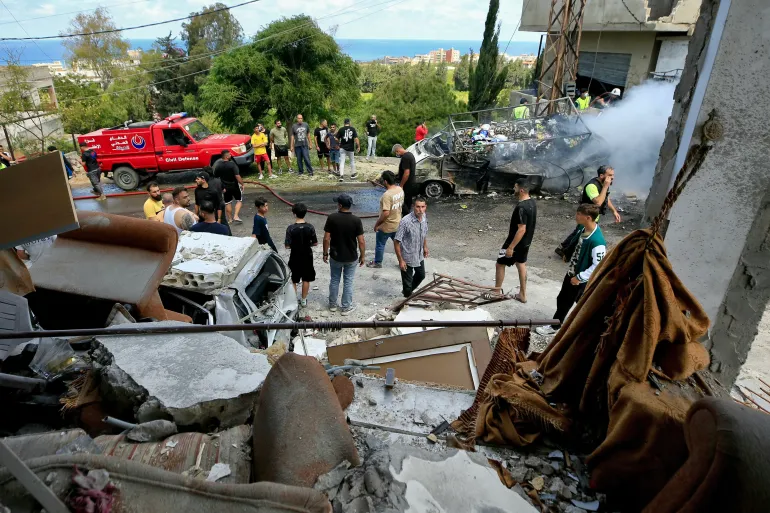
An Indonesian UN peacekeeper has died from wounds sustained in a strike in Lebanon that targeted his base, as confirmed by the United Nations Interim Force in Lebanon (UNIFIL).[1][2][4] This incident underscores the fragile security environment in southern Lebanon amid ongoing truce violations.[3]
Death of the UN Peacekeeper
The death of the Indonesian peacekeeper marks a tragic escalation in the dangers faced by UN personnel in southern Lebanon. UNIFIL reported that the peacekeeper succumbed to severe wounds inflicted during an attack on his base.[1][2][4] Specifically, the UN mission in Lebanon announced on Friday that the Indonesian member of its forces had died from injuries sustained in the incident.[2][4] This loss highlights the immediate risks to international troops deployed to monitor ceasefires and maintain stability in a volatile region. The peacekeeper's condition was described as severe following the attack, leading to his eventual death despite medical efforts.[1] Such casualties not only affect the individuals and their nations but also strain the operational capacity of UNIFIL, which relies on contributions from countries like Indonesia to fulfill its mandate. The precise circumstances of the wounds—sustained directly from the strike—emphasize the intensity of the assault on the UN base, where peacekeepers are stationed to observe and report on potential violations of truce agreements.[2][4] This event serves as a stark reminder of the human cost involved in peacekeeping operations, where troops are often exposed to direct hostilities despite their neutral status under international law.
Background of the Attack
The attack that claimed the Indonesian peacekeeper's life took place on March 29, targeting a UNIFIL base in southern Lebanon.[2][4] This date positions the incident within a recent wave of hostilities in the area, where UN forces have been repeatedly drawn into the crossfire of local conflicts.[2][4] The UN mission detailed that the peacekeeper was wounded during this specific assault on his base, which occurred amid broader tensions in the region.[2][4] Southern Lebanon remains a hotspot for such incidents due to its proximity to border areas prone to skirmishes, and UNIFIL's presence there is aimed at preventing escalations through observation and de-escalation efforts. The Friday announcement from UNIFIL came after the peacekeeper had been fighting for his life, underscoring the delayed but profound impact of the March 29 strike.[2][4] Details from the scene indicate that the attack was forceful enough to cause wounds that proved fatal, disrupting the routine operations of the peacekeeping contingent.[2][4] This background reveals how even fortified UN positions are vulnerable, complicating the force's ability to carry out patrols and reporting duties essential to its role in upholding truces.
Related Incidents in Southern Lebanon
Southern Lebanon has seen a series of violent events that illustrate persistent truce violations, including the recent strike in Lebanon responsible for the Indonesian peacekeeper's death.[3][5] One notable related incident involved an Israeli airstrike on the town of Touline, which killed two people at dawn despite an ongoing ceasefire.[3] This airstrike exemplifies the pattern of breaches that have continued to destabilize the area, with strikes occurring even as diplomatic efforts seek to enforce calm.[3] The timing of these events aligns closely with the March 29 attack on the UN base, contributing to a heightened sense of insecurity for both civilians and international forces.[5] Anadolu Agency reports highlight how such actions, like the Touline strike, persist amid truce violations, raising questions about the effectiveness of current de-escalation measures.[3] Furthermore, the broader context includes multiple attacks on UNIFIL positions, amplifying the risks for peacekeepers operating in the zone.[5] These related incidents paint a picture of a region where ceasefires are frequently tested, leading to civilian casualties and threats to UN operations. The combination of airstrikes and blasts, such as the one injuring the Indonesian peacekeeper, demonstrates the interconnected nature of violence in southern Lebanon, where one event often precipitates or coincides with others.[3][5]
International Responses
Global leaders have responded to the escalating violence in Lebanon, with French President Emmanuel Macron calling for heightened European involvement. Arriving at an EU summit in Cyprus, Macron urged the European Union to “intensify its efforts” to help restore stability in the Middle East.[2][4] This statement came in direct response to the death of the Indonesian peacekeeper from wounds sustained in the March 29 attack on his UN base.[2][4] Macron's remarks emphasize the need for collective action from European nations to address the root causes of instability, particularly in light of ongoing truce violations affecting peacekeeping missions.[2][4] France24's coverage, including reports from correspondent Renée Davis in Beirut, provides on-the-ground insight into how such international appeals are framed amid the latest casualties.[2][4] The timing of Macron's address—at an EU summit—signals a push for coordinated diplomatic and possibly material support to bolster UNIFIL and reinforce truces.[2][4] These responses reflect broader concerns about the Middle East's fragility, where incidents like the strike in Lebanon demand urgent multilateral engagement to prevent further loss of life among peacekeepers and civilians alike.[2][4]
Overview of UNIFIL Casualties
Since March 29, a total of three Indonesian UNIFIL peacekeepers have been killed in southern Lebanon, with the most recent death resulting from injuries sustained in a blast.[5] This tally underscores the concentrated toll on Indonesia's contingent within the UN mission, which has borne the brunt of recent hostilities.[5] The Indonesian peacekeeper who died had been injured in the attack on the UN base, joining two others lost in the same period.[5] Anadolu Agency's reporting on this overview highlights the severity of the situation for UNIFIL troops, who face repeated threats from blasts and strikes in the area.[5] These casualties represent a significant loss for Indonesia's contribution to the peacekeeping force, potentially impacting morale and deployment decisions.[5] The fact that all three deaths occurred within this short timeframe points to an intensification of risks since late March, aligning with patterns of truce violations observed in the region.[5] This overview not only quantifies the human cost but also amplifies calls for enhanced protection measures for UN personnel stationed in southern Lebanon.
What to watch next: Continued monitoring of truce violations in southern Lebanon, including potential further airstrikes like the one in Touline and responses to UNIFIL casualties, as leaders like Macron push for intensified EU efforts to restore Middle East stability.[2][3][4][5]