Strike in Lebanon: One Person Killed in Israeli Attack Despite Ceasefire
Israeli attacks in Lebanon have killed at least one person despite a recently announced ceasefire, in what multiple reports describe as a violation occurring less than 24 hours after the truce took effect.[1][2][3] This strike in Lebanon underscores the fragility of the agreement amid ongoing hostilities in the region.
Background of the Conflict
The hostilities between Israel and Lebanon have escalated over recent weeks, marked by intense bombardments in southern Lebanon that have inflicted significant human and societal costs. According to reports, these bombardments have resulted in more than 2,000 people killed and over one million residents displaced, highlighting the scale of destruction and upheaval in the affected areas.[4] This period of fighting, which intensified leading up to the ceasefire announcement, reflects a broader pattern of cross-border exchanges that have strained the region.
The conflict's roots lie in repeated military engagements, with Israeli operations targeting areas in southern Lebanon amid security concerns. The bombardments have not only caused direct casualties but have also led to widespread displacement, forcing over a million people from their homes and exacerbating humanitarian challenges.[4] Lebanon's Health Ministry has tracked the accumulating toll, noting a steady rise in deaths from Israeli attacks dating back to March 2.[5] This background of prolonged fighting sets the stage for the ceasefire, which was presented as a potential pause but has quickly faced tests through reported violations.
Details from the Asia Times indicate that these weeks of bombardments created a dire situation on the ground, with the human cost exceeding 2,000 lives lost and massive population movements.[4] Such displacement has overwhelmed local resources and infrastructure, contributing to a precarious environment even before the truce. The ongoing nature of these operations underscores why the ceasefire was sought, yet the immediate post-announcement incidents suggest that underlying tensions persist. Lebanon's reporting of the total death toll rising to 2,294 since March 2 further illustrates the cumulative impact of these attacks, providing a quantitative measure of the conflict's severity.[5]

One person killed and several injured in Israeli attacks in southern Lebanon despite ceasefire. — Source: anadolu
Announcement of the Ceasefire
The ceasefire between Israel and Lebanon was announced as a 10-day truce, coming after extensive military actions in the region. US President Donald Trump played a noted role in highlighting the agreement, with reports stating that the 10-day ceasefire was announced by him.[2][3] Israel has announced this ten-day ceasefire with Lebanon, positioning it as a temporary halt following weeks of intense bombardments.[4]
Specific timing places the truce agreement on April 16, as referenced in coverage of the subsequent violations.[1] This announcement prompted reactions from regional actors, including Iran declaring the Strait of Hormuz "completely open," though Trump emphasized that the US blockade "will remain in full force" until further notice.[4] The Asia Times report frames the ceasefire as not a "tidy end to fighting," suggesting expectations of continued challenges despite the formal pause.[4]
Multiple sources confirm the 10-day duration and the involvement of high-level announcements, with Anadolu Agency noting the Trump announcement explicitly in relation to the violations occurring less than 24 hours later.[2][3] The thenewarab outlet also references the truce agreed on April 16, tying it directly to Israel's actions post-agreement.[1] This convergence of reports from diverse outlets provides a clear timeline: the ceasefire was positioned as a brief window for de-escalation, announced amid broader geopolitical maneuvers involving the US and Iran.[4] Trump's statement on the blockade adds a layer of international dimension, indicating that while the Israel-Lebanon truce was specific, wider pressures remained unchanged.[4]
Recent Israeli Attacks and Violations
Israeli attacks, described as violations of the truce, occurred less than 24 hours after the ceasefire announcement, with a strike in Lebanon killing one person.[1][2][3] These incidents involved strikes in southern Lebanon, including a specific Israeli drone strike that resulted in one fatality.[3] Anadolu Agency reports detail one killed and several injured in these attacks, marking them explicitly as Israeli violations shortly after the 10-day ceasefire was announced by Trump.[2]
The thenewarab coverage confirms that Israel launched new attacks post-truce, killing one person and breaching the April 16 agreement.[1] Similarly, reports of the drone strike in southern Lebanon reinforce the pattern of rapid post-ceasefire actions.[3] These events represent clear breaches, as noted across sources, occurring in quick succession after the truce took effect.[1][2][3]
The proximity to the announcement—less than 24 hours—highlights the immediate challenges to enforcement.[2][3] Southern Lebanon emerges as a focal point, with attacks there drawing consistent mention for their lethal impact.[2][3] This strike in Lebanon not only contradicted the truce's intent but also raised questions about compliance mechanisms, as no immediate countermeasures are detailed in the available reports.[1] The repetition of violations in this timeframe, as covered by multiple outlets, paints a picture of tenuous adherence right from the outset.[1][2][3]
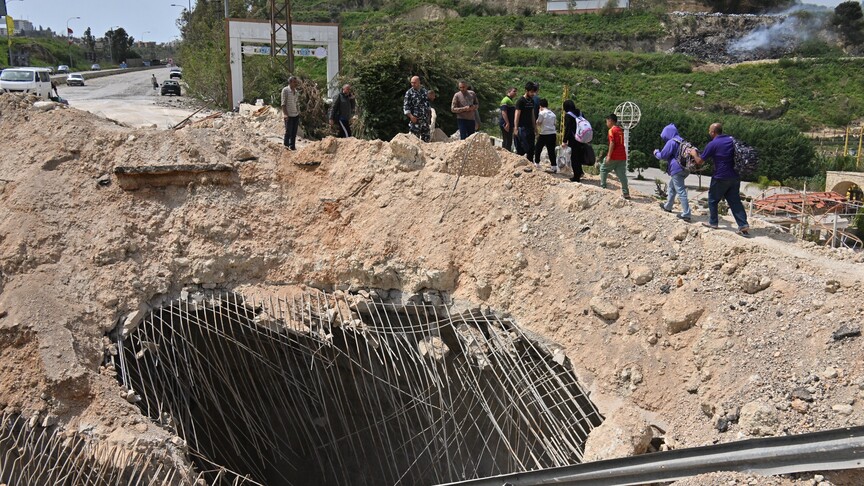
An Israeli drone strike in southern Lebanon kills one person despite ceasefire. — Source: anadolu
Casualties and Impact
The human toll from recent Israeli strikes in Lebanon has been severe, with Lebanon's Health Ministry reporting 98 people killed and 359 others wounded in the past 24 hours alone.[5] This update contributes to the total death toll from Israeli attacks since March 2 rising to 2,294.[5] Earlier specific incidents align with this broader count, including one person killed in attacks despite the ceasefire, alongside several injured.[2]
The Anadolu Agency's coverage of the drone strike also notes one killed, fitting into the 24-hour casualty figures provided by the Health Ministry.[3] These numbers reflect the concentrated impact of strikes in southern Lebanon, where violations have led to both deaths and injuries.[2][3] The ministry's data offers an official tally, emphasizing the scale: 98 fatalities in a single day amid the ceasefire period.[5]
Beyond immediate losses, the broader conflict's casualties exceed 2,000 from weeks of bombardments, compounding the recent figures.[4] The 359 wounded in the past 24 hours add to the strain on medical services, while the total of 2,294 deaths since March 2 illustrates a rising trajectory.[5] Sources consistently tie these impacts to Israeli actions, with the Health Ministry's past-24-hours breakdown providing granular insight into the violations' cost.[2][3][5] The displacement of over one million residents further amplifies the humanitarian footprint, as prior bombardments have already uprooted communities.[4]
Current Status
The ceasefire's implementation has been marred by these early violations, with no tidy end to the fighting apparent.[4] Iran's declaration of the Strait of Hormuz as "completely open" followed the announcement, contrasted by Trump's insistence on maintaining the US blockade in full force.[4] Lebanon's Health Ministry continues to update the toll, with the recent 24-hour casualties pushing the overall count higher.[5]
Reports indicate that despite the 10-day truce, new attacks have occurred, signaling ongoing tensions.[1] The Asia Times analysis suggests that the agreement does not resolve underlying issues, as bombardments' aftermath lingers with over 2,000 dead and mass displacement.[4] Current developments include these violations less than 24 hours post-announcement, maintaining pressure on the truce's viability.[2][3]
The status remains fluid, with Trump's role in the announcement and his blockade comments adding external dynamics.[2][3][4] Health Ministry figures reflect active conflict impacts, even as the ceasefire was intended to pause hostilities.[5]
Key Developments in the Ceasefire Timeline
Compiling key facts from reports, the attacks transpired less than 24 hours after the 10-day ceasefire announcement by Trump.[2][3] Lebanon's Health Ministry data shows 98 killed and 359 wounded in Israeli strikes over the past 24 hours, elevating the total death toll since March 2 to 2,294.[5] These incidents are uniformly reported as ceasefire violations across sources.[1][2][3]
This timeline underscores the rapid breach, with the April 16 truce quickly tested.[1] The convergence of casualty reports and violation claims provides a factual backbone to the unfolding events.[1][2][3][5]
What to Watch Next
Observers should monitor adherence to the 10-day ceasefire amid reports of no tidy end to fighting, potential further violations in southern Lebanon, and regional reactions like Iran's Hormuz statement versus Trump's blockade stance.[4] Updates from Lebanon's Health Ministry on casualties will be critical as the toll continues to rise.[5]