Strike in Lebanon: Israeli Forces Enforce Yellow Line with Airstrikes
Israeli forces have launched strikes in Lebanon to enforce a 'Yellow Line', marking the first such actions since a ceasefire, and resulting in the death of a French peacekeeper.[1][2]
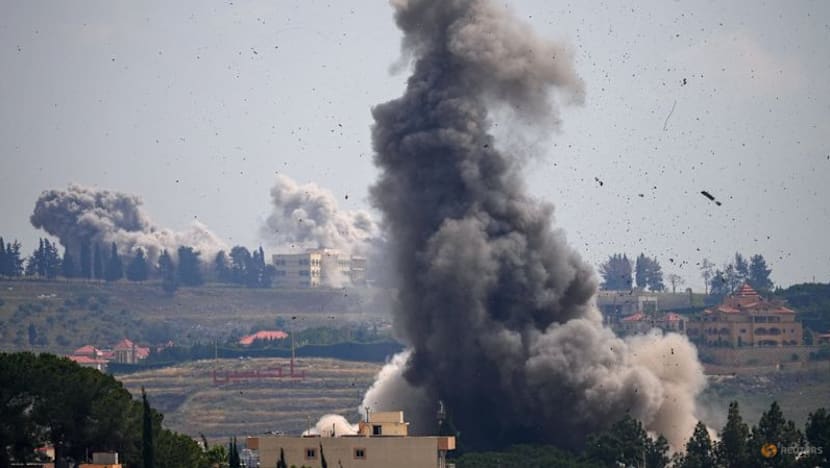
In a significant escalation following a fragile truce, the Israeli military conducted airstrikes and artillery bombardments in southern Lebanon, targeting areas near a newly publicized buffer zone known as the 'Yellow Line'. This strike in Lebanon represents the first military operations by Israel in the region since a 10-day ceasefire took effect, with the actions aimed at preventing approaches to the designated line and isolating specific villages.[1][2] The incidents have drawn international attention, particularly after a French soldier serving with the United Nations Interim Force in Lebanon (UNIFIL) was killed in a related attack, prompting condemnations and denials from key parties involved.[3][4]
Overview of Recent Strikes
The Israeli military's recent strikes in southern Lebanon mark a notable development in the ongoing tensions along the Israel-Lebanon border. On Saturday, Israel launched a series of airstrikes and artillery bombardments, which the army described as necessary to enforce a 'Yellow Line'—a boundary they have now publicly referenced for the first time.[1][2] According to the Israeli army, these operations specifically targeted individuals who were approaching the line, underscoring a defensive posture aimed at maintaining separation in the area.[1]
This strike in Lebanon comes in the immediate aftermath of a 10-day ceasefire between Israel and Lebanon, positioning it as the inaugural post-ceasefire military action by Israel in the region.[2] The operations were not isolated but part of a broader effort to isolate 55 villages in southern Lebanon, a strategic move that the Israeli military linked directly to the enforcement of the 'Yellow Line'.[2] Reports indicate that the strikes were concentrated in southern Lebanon, an area long marked by cross-border exchanges and heightened military presence from both sides.[1][2]
The context of these strikes highlights the precarious nature of the ceasefire, as Israel's actions signal a willingness to respond preemptively to perceived threats near the buffer zone. While the Israeli army has framed the strikes as targeted and limited, they have nonetheless disrupted the tentative calm established by the recent truce, raising questions about the durability of de-escalation efforts in the region.[1][2] The involvement of international peacekeeping forces, such as UNIFIL, further complicates the situation, as military actions in proximity to their positions carry risks of unintended consequences.[2]
Details on the 'Yellow Line'
The 'Yellow Line' has emerged as a focal point in Israel's recent military strategy in Lebanon, described by the Israeli army as a self-declared buffer zone.[1] This marks the first occasion that Israel has publicly referred to the 'Yellow Line' in official statements, providing a concrete delineation for its operational boundaries in southern Lebanon.[1] The line's enforcement through strikes was explicitly tied to preventing individuals from approaching it, with the military claiming that targets were selected based on movements toward this zone.[1]
In practical terms, the 'Yellow Line' serves to isolate 55 villages in southern Lebanon, creating a no-approach area that Israel views as essential for security.[2] The strikes launched on Saturday were designed to uphold this isolation, utilizing airstrikes and artillery to deter any incursions or activities that could challenge the buffer.[2] This self-declared nature of the zone underscores Israel's unilateral approach, as it has not been formally agreed upon in ceasefire negotiations but is now being actively defended through military means.[1]
The introduction of the 'Yellow Line' into public discourse adds a layer of clarity to Israel's red lines in the region, potentially serving as a deterrent against Hezbollah or other groups operating nearby. However, its enforcement via strikes risks broadening the scope of conflict, especially given the proximity to populated areas and international observers.[1][2] Analysts note that such buffer zones have historical precedents in Israel's border security strategies, but the explicit naming and first-time public acknowledgment signal a shift toward more formalized enforcement post-ceasefire.[1]
Incident Involving UN Peacekeeper
A French soldier serving with UNIFIL was killed in an attack in southern Lebanon, an incident that occurred amid the heightened tensions from Israel's strikes.[3][4][5] The peacekeeper's death took place in the context of the Israeli military's operations to enforce the 'Yellow Line', though direct links between the strikes and the attack on the UN mission remain under investigation.[2][4]
The attack targeted a UN mission in southern Lebanon, resulting in the fatal wounding of the French soldier.[5] This event unfolded just days after Israel and Lebanon announced a 10-day ceasefire, amplifying its impact on the fragile peace process.[4] French officials confirmed the soldier's service with UNIFIL, the multinational peacekeeping force mandated to monitor the Blue Line—the recognized border between Israel and Lebanon—and to assist the Lebanese army in maintaining stability in the south.[3][4][5]
The loss of the peacekeeper underscores the dangers faced by international forces in the region, where military activities from multiple actors create overlapping risks. UNIFIL has long operated in southern Lebanon to prevent escalations, but incidents like this highlight the challenges of neutrality amid active enforcement actions such as those involving the 'Yellow Line'.[2][4][5] The timing, shortly after the ceasefire, has intensified scrutiny on all parties' adherence to de-escalation commitments.
Responses from Involved Parties
Official reactions to the French peacekeeper's death and the broader strikes have been swift and pointed. French President Emmanuel Macron condemned the attack as "unacceptable," placing blame on Hezbollah during calls with Lebanese President Joseph Aoun and Prime Minister Nawaf Salam.[3][5] Macron's statements emphasized the need for accountability, framing the incident as a direct threat to international peacekeeping efforts.[5]
Hezbollah, the Iran-backed armed group, categorically denied any connection to the attack on the UN mission, rejecting Macron's accusations.[3] This denial comes amid ongoing accusations of Hezbollah's involvement in border activities that Israel has targeted through its 'Yellow Line' enforcement.[1][3]
These responses reflect the polarized narratives in the conflict: Israel justifying strikes as defensive,[1][2] France attributing the peacekeeper's death to Hezbollah,[3][5] and the group pushing back against blame. The exchanges highlight diplomatic frictions, with Macron's outreach to Lebanese leaders signaling France's stake in regional stability given its troop contributions to UNIFIL.[5]
Context of the Ceasefire
The strikes and the peacekeeper's death occur against the backdrop of a recently implemented 10-day ceasefire between Israel and Lebanon.[2][4] Announced just days prior to the incidents, the truce was intended to halt hostilities following a period of intense cross-border fighting.[4] Israel's actions on Saturday represent the first strikes since the ceasefire took effect, breaking the immediate post-truce lull and testing the agreement's resilience.[2]
The ceasefire aimed to create space for negotiations and de-escalation, but the enforcement of the 'Yellow Line' suggests Israel perceives ongoing threats necessitating proactive measures.[1][2] The isolation of 55 villages via this buffer zone aligns with Israel's security objectives, even as it challenges the ceasefire's spirit.[2] The French soldier's death further strains the truce, as attacks on UNIFIL positions undermine the multinational effort to stabilize southern Lebanon.[4]
This context illustrates the ceasefire's tentative nature, where short-term halts in fighting coexist with underlying strategic assertions like the 'Yellow Line'. The 10-day duration implies an expectation of extension or formalization, but recent events may complicate those prospects.[2][4]
What to watch next: Monitor Israel's continued enforcement of the 'Yellow Line' and any further responses from Hezbollah or Lebanese authorities, alongside UNIFIL's investigations into the peacekeeper's death and potential extensions of the 10-day ceasefire.[1][2][3][4]