
Strike in Lebanon: Israeli attacks kill 14 people despite truce
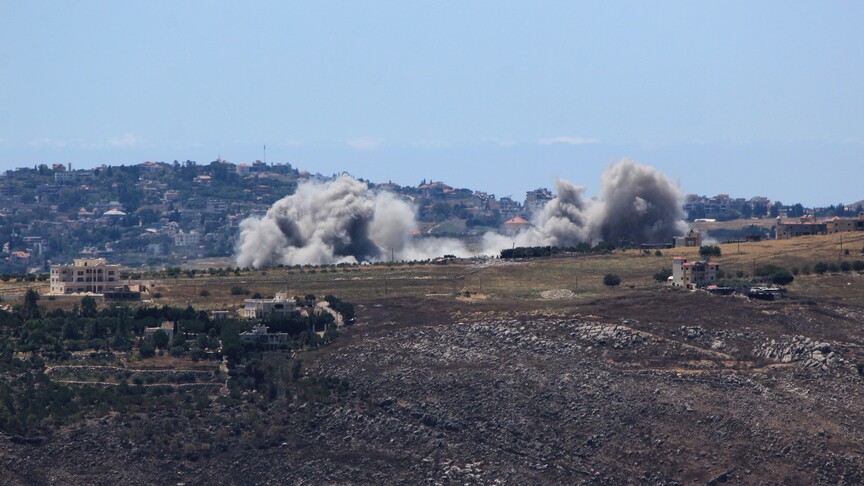
Israeli strikes in Lebanon have killed 14 people despite a ceasefire agreement, marking a significant escalation in tensions between Israel and Hezbollah.[1] This strike in Lebanon occurred on Sunday, targeting areas in the country's south, and has been described by Lebanon's health ministry as the deadliest day since the truce took effect over a week ago.[5] The incident has reignited concerns over the fragility of the U.S.-brokered ceasefire, with both sides pointing fingers at each other for violations.[3]
Overview of the Strikes
The Israeli strikes in Lebanon represent a fresh wave of military action amid an already tense standoff. Lebanon's health ministry reported that the attacks on Sunday resulted in 14 deaths, underscoring the immediate human cost of these operations.[1][5] The Israel Defense Forces (IDF) carried out these strikes, which were launched against specific targets despite the ongoing ceasefire agreement.[3] This event follows a pattern of intermittent violence, as the strikes come shortly after the truce was extended, highlighting the challenges in maintaining peace in the region.[5]
Details from reports indicate that the strikes were part of Israel's response to perceived threats, with Prime Minister Benjamin Netanyahu stating that the military was "vigorously" targeting Hezbollah positions.[5] The timing of these actions—on a Sunday—has drawn particular attention, as it precedes further strikes reported on Monday in related areas.[3] Lebanon's authorities have condemned the strikes as a direct breach, emphasizing the toll on civilian life and infrastructure.[1] The overview of these events paints a picture of rapid escalation, where military operations proceeded even as diplomatic efforts to uphold the ceasefire were in place.[5]
Expanding on the sequence, the strikes align with Israel's broader strategy of preemptive action against Hezbollah, a group backed by Iran.[5] Reports confirm that these were not isolated incidents but part of ongoing exchanges, with the Sunday attacks standing out for their lethality.[1][3] The IDF's involvement ensures a structured military response, but the outcome has been a sharp rise in casualties, prompting international scrutiny over the ceasefire's effectiveness.[5]
Targets and Locations
Israeli forces specifically targeted Hezbollah infrastructure in southern Lebanon and the Bekaa region, areas known for the group's strong presence.[2][3] The IDF launched strikes against these locations on Monday, focusing on Bekaa Valley and southern regions, which are critical for Hezbollah's operations.[3] Anadolu Agency reports that the Israeli army claimed these fresh attacks were aimed at dismantling such infrastructure, framing them as necessary responses.[2]
The Bekaa Valley, stretching across eastern Lebanon, and the southern border areas have long been hotspots for Hezbollah activities, making them prime targets for Israeli operations.[3] These strikes in southern Lebanon were precise in their intent, hitting what the IDF described as military assets linked to the militant group.[2] The choice of locations underscores Israel's focus on degrading Hezbollah's capabilities in regions close to the Israeli border and deeper inland.[3]
Further details reveal that the attacks were not random but intelligence-driven, targeting entrenched positions that could pose threats.[2] Southern Lebanon, in particular, has seen repeated engagements, with these strikes adding to the tally of damaged infrastructure.[3] The Bekaa region's inclusion expands the scope, indicating a multi-front approach by the IDF to neutralize Hezbollah's network.[2]
Ceasefire Context
The ceasefire in question was brokered by the United States and has been extended until mid-May, providing a framework intended to halt hostilities between Israel and Hezbollah.[3][5] This agreement came into force over a week ago, following intense fighting in the Israel-Hezbollah war, yet it has proven fragile from the outset.[5] The extension to mid-May was meant to allow for sustained de-escalation, but recent events suggest ongoing challenges in compliance.[3]
Reports detail that despite this U.S.-brokered truce, both parties have continued limited actions, with Israel's strikes occurring shortly after its implementation.[5] The ceasefire's context is one of mutual suspicion, where extensions are granted amid accusations rather than full adherence.[3] Lebanon's south has been a focal point since the truce began, with Sunday's strikes marking the deadliest breach to date.[5]
The diplomatic backdrop involves efforts to prevent a wider conflict, but the persistence of strikes indicates that core issues remain unresolved.[3] Netanyahu's comments on vigorous targeting reflect Israel's interpretation of the ceasefire as allowing defensive measures, while Hezbollah views any incursion as a violation.[5] This extended timeline until mid-May offers a window for negotiation, yet the strikes highlight the truce's tentative nature.[3]
Accusations and Responses
Both Israel and Hezbollah are accusing each other of violating the ceasefire, creating a cycle of blame that complicates de-escalation efforts.[3][5] Israel has pointed to Hezbollah's continued attacks on its forces and northern towns as justification for its strikes, while the group vows to respond to what it calls Israeli "violations."[3][5] Prime Minister Benjamin Netanyahu emphasized that the military's actions are targeted responses, underscoring Israel's stance on proactive defense.[5]
Hezbollah, in turn, has traded these accusations, promising retaliation against perceived breaches of the truce.[5] Lebanon's health ministry's report of 14 deaths has fueled Hezbollah-aligned narratives of Israeli aggression.[1][5] The IDF's strikes on Sunday and Monday are cited by Lebanon as clear violations, prompting strong condemnations.[3]
This mutual finger-pointing extends to broader rhetoric, with Israel framing its operations as necessary against an Iran-backed threat, and Hezbollah positioning itself as defender against incursions.[5] Reports from Copenhagen Post note that Hezbollah persists in attacking Israeli positions, which Israel uses to rationalize its responses.[3] The responses from both sides indicate a lack of trust, with each perceiving the other's actions as the primary instigator.[5]
Human Impact
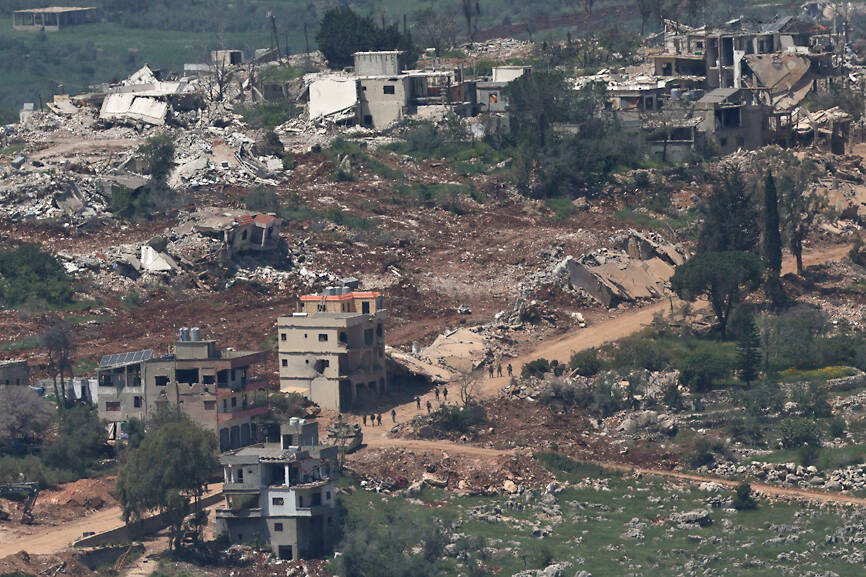
The strikes have resulted in significant casualties and triggered mass displacement in southern Lebanon.[1][4][5] Lebanon's health ministry confirmed 14 people killed in the Sunday attacks on the south, describing it as the deadliest incident since the ceasefire began.[1][5] This toll has compounded the humanitarian strain in the region, where ongoing conflict displaces communities.[4]
Mass displacement has been a direct outcome, with Xinhua reporting that Israeli army strikes in southern Lebanon prompted large-scale movements of people fleeing the violence.[4] The human cost extends beyond the immediate deaths, affecting families and local infrastructure in the targeted areas.[5] Southern Lebanon's population, already vulnerable from prior fighting, faces renewed upheaval.[1][4]
The deadliest day characterization by health officials highlights the strikes' severity, with 14 fatalities underscoring the fragility of civilian life amid military exchanges.[5] Displacement reports emphasize the ripple effects, as residents seek safety further north or in safer zones.[4] Combined with accusations from both sides, this impact amplifies calls for stricter ceasefire enforcement.[3][5]
What to watch next: Continued accusations between Israel and Hezbollah over truce violations, potential further IDF strikes on Hezbollah targets, and monitoring compliance with the U.S.-brokered ceasefire extended until mid-May.[3][5]