Conflict in Mali: Russian Fighters Withdraw from Northern City After Separatist Attacks
In the ongoing conflict in Mali, coordinated attacks by armed groups have prompted significant military setbacks for government-aligned forces. Russian fighters have withdrawn from a northern city following separatist assaults, while the Mali army has pulled back from a town in the north.[1][3] Ethnic Tuareg fighters have taken control of Kidal after these nationwide operations, which involved collaboration with Islamist groups.[1] Rival armed factions with differing ideologies have united against the Malian state, though their long-term cohesion remains in question.[2] An Al Qaeda-linked group has claimed responsibility for pressuring the army's withdrawal, and analysts describe the strikes as deliberate efforts to destabilize the state.[3][4] Relative calm has since returned to areas like the capital Bamako, but uncertainty lingers after clashes between the army and jihadists allied with Tuareg separatists.[5]
Overview of Coordinated Attacks
The recent surge in violence across Mali marks a notable escalation in the conflict, characterized by synchronized operations from multiple armed groups targeting key locations nationwide. These attacks unfolded over the weekend, involving a combination of separatist forces and Islamist militants who executed strikes on major cities and other strategic points.[4] According to political analyst Josiasse Assemon, the operations relied on covert infiltration tactics, allowing assailants to penetrate defended areas effectively and amplify their impact.[4] This coordination represents a rare alignment among groups that have historically pursued divergent agendas, as rival factions set aside ideological differences to challenge Malian state authority.[2] The nationwide scope of the assaults—from northern strongholds to more central regions—underscored the breadth of the offensive, catching government forces off guard and exposing vulnerabilities in their defensive postures.[1][2] Such joint efforts highlight a tactical shift, where former adversaries have temporarily converged on a shared objective: undermining the military government's control.[2][4] The analyst's assessment frames these incidents not as isolated skirmishes but as a broader campaign designed to erode state stability through persistent pressure and surprise maneuvers.[4] This context of unified action amid Mali's fragmented insurgency landscape raises immediate concerns about the government's ability to respond cohesively to multi-front threats.[2]
Withdrawals by Forces
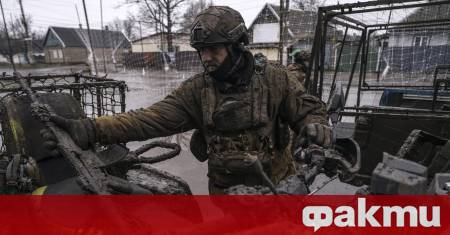
Confirmed retreats by both Russian mercenaries and Malian army units from northern positions signal a direct consequence of the intensified separatist and jihadist offensives. Russian fighters, who have been supporting the Malian military in counter-insurgency efforts, acknowledged their withdrawal from a northern city in the wake of targeted separatist attacks.[1] This pullback came amid a weekend of nationwide violence, where the pressure from coordinated strikes forced a tactical repositioning.[1] Similarly, an Al Qaeda-linked group publicly stated that the Mali army had withdrawn from a town in the north, attributing the retreat to their operational successes during the assaults.[3] These developments indicate that the armed groups' combined pressure overwhelmed local defenses, compelling both foreign-backed auxiliaries and national troops to abandon key outposts.[1][3] The Russian confirmation lends credibility to reports of separatist gains, while the jihadist claim aligns with patterns of insurgent propaganda that often precedes verifiable shifts on the ground.[3] In the broader context of Mali's northern instability, such withdrawals erode the military's footprint in separatist-leaning regions, potentially emboldening further advances by opposition forces.[1] The specificity of these retreats—from a city under Russian watch to a separate northern town—illustrates the geographic spread of the attacks' impact, straining resources across the front lines.[3]
Control and Group Alliances
Shifts in territorial control, particularly in Kidal, have emerged as a pivotal outcome of the attacks, driven by unprecedented alliances among rival armed groups. Ethnic Tuareg fighters declared themselves in control of Kidal, the northern city from which Russian forces withdrew, following the weekend's nationwide operations conducted alongside Islamist groups.[1] This assertion of dominance by Tuareg separatists underscores their opportunistic exploitation of the chaos, reclaiming a symbolic stronghold long contested in Mali's ethnic and insurgent conflicts.[1] Compounding this, armed groups with starkly differing ideologies—ranging from separatist nationalists to radical Islamists—have forged a temporary pact against the Malian state, launching joint coordinated attacks across the country.[2] The collaboration's success in prompting withdrawals highlights its immediate effectiveness, yet it also prompts scrutiny over sustainability: can these ideologically opposed entities maintain unity beyond short-term gains?[2] Tuareg forces' partnership with Islamists in Kidal exemplifies this fragile coalition, where shared enmity toward the Bamako government overrides historical rivalries.[1][2] Such alliances represent a strategic evolution in Mali's insurgency, pooling resources and intelligence to achieve breakthroughs that individual groups might not manage alone.[2] The resulting control dynamics in the north, therefore, not only reflect battlefield victories but also signal potential realignments in the power structure among non-state actors.[1]
Current Situation on the Ground
A fragile calm has settled over several parts of Mali in the aftermath of the intense weekend fighting, offering a brief respite amid ongoing tensions. In the capital Bamako and the junta's stronghold of Kati, relative stability returned by Monday, following two days of fierce clashes between the Malian army and a coalition of jihadists allied with Tuareg separatists.[5] This lull contrasts sharply with the preceding violence, which had plunged the country into deeper uncertainty regarding the military government's viability.[5] The return to normalcy in urban centers suggests that the attacks, while disruptive, did not sustain momentum for prolonged urban warfare, allowing security forces to regain some operational breathing room.[5] However, the alliances forged between jihadists and Tuareg fighters during the engagements continue to cast a shadow, as their combined actions have heightened questions about the junta's grip on power.[5] Reports indicate that the fighting's intensity varied by region, with northern areas bearing the brunt of withdrawals and control shifts, while southern hubs like Bamako experienced contained skirmishes.[5] This patchwork of calm underscores the asymmetric nature of the conflict, where jihadist-Tuareg coordination has localized impacts but nationwide reverberations, leaving the overall security environment precarious.[5]
Implications of the Attacks
The orchestrated nature of these assaults points to a deliberate strategy aimed at weakening the Malian state, as articulated by observers closely tracking the insurgency. Political analyst Josiasse Assemon describes the operations as multifaceted efforts to destabilize the government, incorporating attacks on major cities, sophisticated covert infiltrations, and the novel unification of rival armed groups.[4] This approach maximizes disruption by hitting economic and administrative hubs while eroding military confidence through northern retreats.[4] The involvement of diverse factions—from Tuareg separatists to Al Qaeda affiliates—amplifies the threat, creating a united front that challenges the junta's narrative of progress against insurgents.[2][4] Assemon's insights highlight how these tactics compound existing pressures on Mali, potentially accelerating internal fractures within the military leadership.[4] By forcing withdrawals and asserting control in symbolic areas like Kidal, the groups demonstrate their capacity to alter the conflict's trajectory, compelling Bamako to reassess its alliances, including with Russian partners.[1][4] The emphasis on destabilization suggests a long-game objective: not just territorial gains, but systemic erosion of state legitimacy.[4]
What to watch next: Observers will monitor whether rival armed groups can sustain their unity amid ideological tensions, the military junta's response to northern losses, and any escalation in jihadist claims over withdrawn territories.[2][3][5]