Conflict in Ukraine: 241 Clashes Reported Along the Line of Contact
In the escalating conflict Ukraine, over the past day, 241 clashes were recorded along the line of contact, with the highest concentrations occurring on the Pokrovsk and Huliaipole fronts.[3] This surge in engagements reflects the sustained military pressure between Ukrainian and Russian forces, as reported by Ukraine's General Staff. Russian forces suffered significant losses, including 810 soldiers killed and wounded alongside 26 artillery systems destroyed.[4] Meanwhile, Ukrainian operations are increasingly targeting vulnerabilities in Russian air defense systems, enabling deeper strikes into rear areas.[2] These developments occur against a backdrop of global explosive violence patterns that continue to impact Ukraine in 2025.[1]
Overview of the Conflict Ukraine
The current dynamics of the conflict Ukraine highlight a phase of intensified combat operations along the entire line of contact, where Ukrainian forces have documented 241 distinct clashes within a single day.[3] This figure, provided by Ukraine's General Staff, marks a notably active period, with the Pokrovsk front seeing 55 clashes and the Huliaipole front experiencing 37—the highest among all sectors.[3] Such concentrations suggest focal points of resistance and counteroffensives, where both sides are committing substantial resources to hold or advance positions.
Complementing these frontline reports, Russian military losses have been quantified at 810 personnel killed or wounded over the same timeframe, accompanied by the destruction of 26 artillery systems.[4] These casualties and equipment setbacks, as tallied by Ukraine's General Staff, indicate the toll of sustained engagements on Russian capabilities. Furthermore, Ukrainian tactical adaptations are evident in efforts to exploit weaknesses within Russian air defense networks, allowing for an expansion of attack ranges into more protected rear zones.[2] This operational shift broadens the scope of Ukrainian strikes beyond immediate battle lines.
The broader implications of these events position the conflict Ukraine within ongoing global trends of explosive violence, as Ukraine remains listed among nations experiencing such patterns in 2025.[1] Reports from organizations monitoring armed violence underscore how these incidents fit into a worldwide context involving multiple countries, including Afghanistan, the Democratic Republic of the Congo, and others.[1] Ukraine's General Staff reports serve as the primary source for daily tallies, emphasizing the relentless nature of military confrontations.[3][4] This overview consolidates the intensity of daily operations, where clashes, losses, and strategic maneuvers intertwine to shape the trajectory of hostilities.
Recent Clashes and Engagements
Ukraine's General Staff has detailed a total of 241 clashes with Russian forces along the line of contact over the past day, underscoring the high tempo of operations across multiple fronts.[3] The Pokrovsk front emerged as the most contested area, registering 55 clashes, which points to concentrated Russian efforts or Ukrainian defensive stands in this sector.[3] Similarly, the Huliaipole front recorded 37 clashes, making it the second-hottest zone of activity.[3] These numbers reflect not isolated skirmishes but a series of sustained engagements that likely involved infantry assaults, artillery duels, and possibly drone or small-unit actions, though specifics on tactics remain tied to the aggregate reporting.
The distribution of clashes across fronts illustrates the breadth of the conflict Ukraine, with activity spanning key regions where territorial control remains contested.[3] Ukraine's General Staff, as the authoritative voice on these matters, provides these updates to track the evolving battlefield situation, highlighting how the past day's events align with patterns of persistent pressure.[3] The elevated counts on Pokrovsk and Huliaipole suggest these areas are strategic chokepoints, potentially influencing supply lines or flanking maneuvers. In the context of daily reporting, 241 clashes represent a significant volume of combat, demanding continuous resource allocation from both sides and contributing to the attrition observed in personnel and equipment losses elsewhere.[3]
This level of engagement maintains the line of contact as a volatile barrier, where even minor advances or repulses can cascade into broader operational shifts. The General Staff's emphasis on these specific fronts provides a lens into where the heaviest fighting is concentrated, informing assessments of momentum.[3] As clashes accumulate, they erode positions and force reallocations, perpetuating a cycle of confrontation that defines the current phase of the conflict Ukraine.
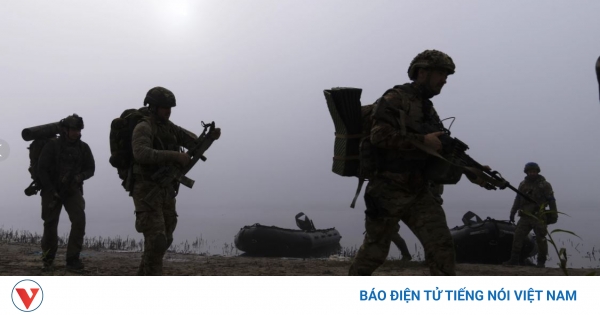
Ukrainian forces target Russian air defense vulnerabilities for deeper strikes. — Source: gdelt
Russian Military Losses
According to updates from Ukraine's General Staff, Russian forces incurred 810 soldiers killed and wounded over the past day, a figure that encapsulates the human cost of recent operations.[4] This daily toll adds to the cumulative strain on Russian manpower, reflecting the intensity of clashes documented elsewhere.[4] In parallel, 26 artillery systems were lost, representing a critical depletion of fire support capabilities essential for both offensive pushes and defensive postures.[4]
These losses, reported precisely by Ukraine's General Staff, highlight vulnerabilities exposed during the 241 clashes along the line of contact.[3][4] Artillery systems, in particular, play a pivotal role in modern warfare, providing suppressive fire and counter-battery roles; their destruction diminishes Russian operational effectiveness across fronts like Pokrovsk and Huliaipole.[3][4] The combined impact of 810 casualties and equipment setbacks suggests a high rate of attrition, potentially complicating Russian sustainment efforts in prolonged engagements.
The General Staff's methodology for tracking these figures relies on battlefield assessments, offering a snapshot of Russian setbacks amid ongoing hostilities.[4] Such daily aggregates allow for analysis of trends, where consistent losses could signal challenges in reinforcement or tactical adaptation. In the broader conflict Ukraine, these reports serve to quantify the price of advances or holds, reinforcing the narrative of costly Russian commitments on multiple fronts.[4]
Ukrainian Operational Advances
Ukrainian forces are actively exploiting weaknesses in Russian air defense systems, as indicated by recent operational reports.[2] This strategic approach involves identifying and targeting gaps in coverage, which has enabled an expansion of attack operations deep into Russian rear areas.[2] Such maneuvers extend beyond frontline engagements, striking logistics hubs, command nodes, or staging areas that support forward units.
The phrase "khoét lỗ hổng phòng không Nga" from monitoring sources translates to poking holes in Russian air defenses, underscoring a deliberate campaign to degrade protective umbrellas.[2] By doing so, Ukraine facilitates deeper penetrations, potentially disrupting Russian sustainment and forcing reallocations of air defense assets away from critical sectors.[2] This evolution aligns with the high clash counts on fronts like Pokrovsk, where air superiority or denial plays a role in ground outcomes.[3][2]
Published insights from April 27, 2026, timestamped analysis confirms this shift toward rear-area strikes, marking a tactical maturation in Ukrainian operations.[2] The ability to expand attack depths enhances overall pressure, complementing infantry and artillery efforts along the line of contact. In the context of the conflict Ukraine, these advances represent a multifaceted response, leveraging intelligence and precision to counter Russian numerical or positional advantages.[2]
Broader Context of Explosive Violence
The conflict Ukraine is situated within global patterns of explosive violence monitored for 2025, as detailed in Action on Armed Violence’s (AOAV) Explosive Violence Monitor.[1] Ukraine appears alongside countries such as Afghanistan, Democratic Republic of the Congo, India, Iran, Israel, Lebanon, Myanmar, Nigeria, occupied Palestinian territory, Pakistan, Russian Federation, Sudan, Syrian Arab Republic, and Yemen in this annual assessment.[1] This fifteenth consecutive year of monitoring highlights persistent worldwide trends in armed violence involving explosives.
The report, available via ReliefWeb, emphasizes findings on explosive incidents across these nations, positioning Ukraine's experiences as part of a larger phenomenon.[1] Explosive violence encompasses artillery, airstrikes, and munitions that define many contemporary conflicts, with Ukraine's inclusion reflecting the scale and frequency of such events along its line of contact.[1][3] The attached file in the source provides comprehensive data, though the summary underscores the multinational scope.
This global perspective contextualizes the 241 clashes and associated losses, illustrating how Ukraine's military engagements contribute to and are shaped by international patterns.[1][3][4] AOAV's project tracks these dynamics to inform policy and humanitarian responses, noting the Russian Federation's involvement as well.[1] For Ukraine, this framing reveals intersections with broader instability, where explosive ordnance sustains high casualties and infrastructure damage.
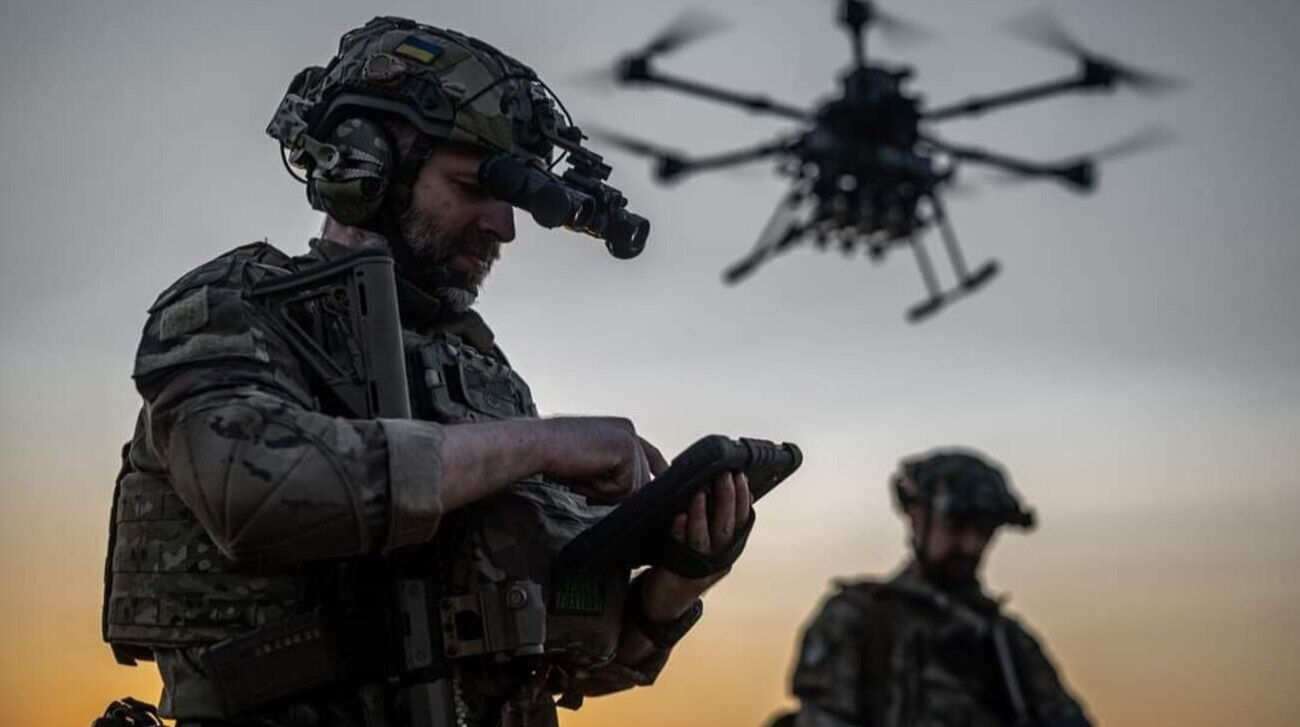
Ukrainian forces face 241 clashes on Pokrovsk and Huliaipole fronts. — Source: ukrainskapravda
Summary of Situation
Consolidating reports from multiple sources, the past day saw 241 clashes along the line of contact, peaking at 55 on the Pokrovsk front and 37 on Huliaipole, per Ukraine's General Staff.[3] Russian losses totaled 810 soldiers killed and wounded, plus 26 artillery systems, amplifying the costs of these engagements.[4] Ukrainian forces are capitalizing on Russian air defense shortcomings to conduct strikes deeper into rear territories.[2]
Globally, Ukraine features prominently in 2025 explosive violence patterns, sharing the stage with numerous conflict zones.[1] These elements—clashes, losses, advances, and international context—paint a picture of unrelenting hostilities, where daily tallies from the General Staff provide granular insights.[3][4] The interplay of frontline intensity and rear-area operations suggests a grinding stalemate punctuated by tactical gains.[2]
This synthesis from official and monitoring sources reveals the multifaceted nature of the conflict Ukraine, with explosive violence as a common thread.[1][2][3][4]
Key Implications for the Conflict Ukraine
Drawing from the documented clashes and losses, the high volume of 241 engagements signals sustained pressure that tests logistical endurance on both sides.[3][4] Russian artillery reductions by 26 units could hinder fire support on active fronts like Pokrovsk, while Ukrainian air defense exploitation opens new avenues for disruption.[2][4] The global explosive violence monitor's inclusion of Ukraine emphasizes the enduring scale of munitions use in 2025.[1]
These factors collectively indicate a battlefield where attrition and adaptation define progress, with General Staff reports anchoring the assessment.[3][4] Implications extend to resource strain and potential shifts in momentum, grounded in the past day's data.
What to watch next: Monitor developments on the Pokrovsk and Huliaipole fronts for continued high clash activity, Russian loss trends, and Ukrainian deep-strike expansions, as per General Staff updates and monitoring reports.[2][3][4]