Strike in Lebanon: Israel Launches Airstrikes to Isolate 55 Villages
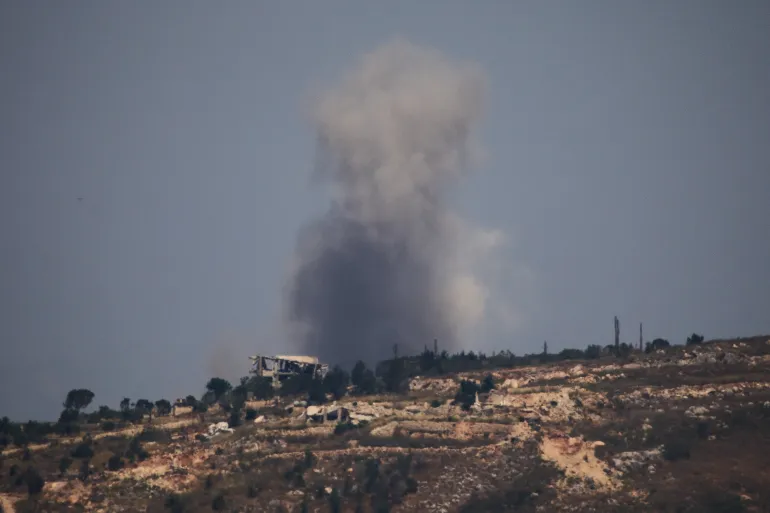
Israel has launched airstrikes and artillery bombardments in southern Lebanon, marking the first such operations since a 10-day ceasefire, as part of efforts to enforce a self-declared buffer zone.[3] In a significant strike Lebanon development, these actions come amid reports of casualties on multiple sides, including the death of an Israeli soldier from wounds sustained in a bomb blast and the killing of a French soldier serving with the United Nations Interim Force in Lebanon (UNIFIL).[1][3][5] The Israeli army has publicly referenced a "yellow line" as this buffer zone, claiming to have targeted individuals approaching it, while Hezbollah has denied involvement in the attack on the French peacekeeper.[2][4]
Overview of Recent Strikes in Southern Lebanon
The Israeli military initiated a series of airstrikes and artillery bombardments targeting southern Lebanon on Saturday, representing the first such operations since a 10-day ceasefire took effect.[3] These strikes were explicitly aimed at enforcing a "Yellow Line" that the Israeli forces describe as a mechanism to isolate 55 Lebanese villages in the region.[3] This move underscores the fragile nature of the ceasefire, as the actions were framed by the Israeli military as necessary to maintain security along the border area.[3] The timing of these strikes, just after the ceasefire period, highlights ongoing military posturing in southern Lebanon, where tensions have persisted despite the temporary halt in hostilities.[3] Reports indicate that the bombardments were concentrated in areas intended to create separation from these 55 villages, potentially altering the dynamics of local movement and access in the border zone.[3] This initial wave of strikes sets the stage for broader enforcement efforts, signaling Israel's intent to hold ground and prevent incursions into what it considers a protected perimeter.[3]
Enforcement of the 'Yellow Line' Buffer Zone
The Israeli army has for the first time publicly referred to a "yellow line" in Lebanon, describing it explicitly as a self-declared buffer zone.[2] In conjunction with the recent airstrikes and artillery fire, the military claimed to have targeted individuals who were approaching this line, marking a proactive stance in its defense strategy.[2][3] This declaration aligns directly with the operations launched on Saturday, which were cited as efforts to enforce the "Yellow Line" and isolate 55 villages in southern Lebanon.[3] The buffer zone's establishment appears designed to create a no-man's-land or restricted area, limiting movement from Lebanese territory toward Israeli positions.[2] By publicly naming and acting upon this "yellow line," Israel has formalized its operational boundaries in the public domain, potentially serving as a deterrent against perceived threats from the Hezbollah-dominated areas south of the Litani River.[2] The strikes' focus on areas approaching this line suggests a pattern of preemptive action, where any proximity is met with force to maintain the zone's integrity.[2][3] This self-declared demarcation adds a layer of complexity to ceasefire compliance, as it imposes unilateral conditions on the ground realities in southern Lebanon.[2]
Casualties Involving Israeli Forces
An Israeli soldier has succumbed to wounds sustained in a bomb blast in southern Lebanon, with the army confirming that three other soldiers were also wounded in the same explosion.[1] This incident represents a stark reminder of the hazards faced by Israeli troops operating in the region, even during periods of relative calm under the ceasefire.[1] The soldier's death occurred amid ongoing operations to secure the border area, highlighting the persistent risks from improvised explosive devices and other threats in southern Lebanon.[1] The army's statement detailed the blast's impact, noting the severity of injuries that led to one fatality and injuries to three others, which could influence Israel's military posture moving forward.[1] Such casualties often prompt intensified responses, as seen in the subsequent airstrikes and artillery bombardments, tying directly into efforts to enforce the buffer zone.[1] The loss underscores the volatile security environment, where ground operations expose forces to hidden dangers, potentially fueling the cycle of retaliatory actions along the frontier.[1]
Incident Involving UN Peacekeeper
A French soldier serving with UNIFIL was killed in an attack in southern Lebanon, an event that transpired shortly after the announcement of a 10-day ceasefire between Israel and Lebanon.[5] French President Emmanuel Macron has attributed the attack to Hezbollah, while the Iran-backed group has firmly denied any connection to the incident.[4] This deadly strike on a UN peacekeeper has drawn international attention, complicating peacekeeping efforts in the area where UNIFIL monitors compliance with Security Council resolutions.[4][5] The timing, just days into the ceasefire period, raises questions about adherence to the truce by non-state actors operating in southern Lebanon.[5] Hezbollah's denial came swiftly, rejecting involvement despite Macron's direct blame, which points to the group's significant influence in the region.[4] The French soldier's death marks a blow to the multinational force's mandate, which includes facilitating disengagement and preventing hostilities.[5] Initial reports from the scene described the attack's circumstances, though specifics on the method remain tied to ongoing investigations amid the heightened tensions.[4][5]
Broader Context of the Ceasefire and Attacks
The recent strikes and related incidents occur against the backdrop of a 10-day ceasefire announced between Israel and Lebanon, intended to de-escalate months of cross-border exchanges.[3][5] Israel's launch of airstrikes and artillery on Saturday explicitly broke this pattern, positioning the actions as the first post-ceasefire operations to enforce the "Yellow Line" buffer zone and isolate 55 villages.[3] Concurrently, the death of the French UNIFIL soldier just days after the ceasefire's start has amplified concerns over its effectiveness, with blame directed at Hezbollah despite their denials.[4][5] These events illustrate the ceasefire's limitations, as localized threats—such as the bomb blast that killed the Israeli soldier—continue to provoke responses.[1][5] The Israeli military's public emphasis on the buffer zone suggests a strategic recalibration, aiming to reshape the security landscape south of the Litani River.[2][3] Ongoing tensions, evidenced by casualties on both military and peacekeeping fronts, reflect the entrenched positions of the involved parties, where temporary truces coexist with underlying hostilities.[3][5]
What to watch next
Monitor Israel's continued enforcement of the "yellow line" buffer zone through potential further strikes, responses from Hezbollah following accusations over the UNIFIL incident, and any international reactions to the ceasefire's fragility amid these casualties.[2][3][4][5]