
Conflict in Lebanon continues as Israeli operations persist after Trump announcement
The conflict in Lebanon shows no signs of abating as Israeli military operations in southern Lebanon persist despite the US announcement of an end to hostilities. Exchanges of fire involving Hezbollah continue, with Israeli forces conducting strikes across multiple areas while refraining from targeting Beirut itself. Reports indicate that these operations have resulted in further casualties, and both sides have maintained pressure through rocket fire and threats, even as international actors push for renewed diplomatic engagement to stabilize the situation.
Ongoing military activity
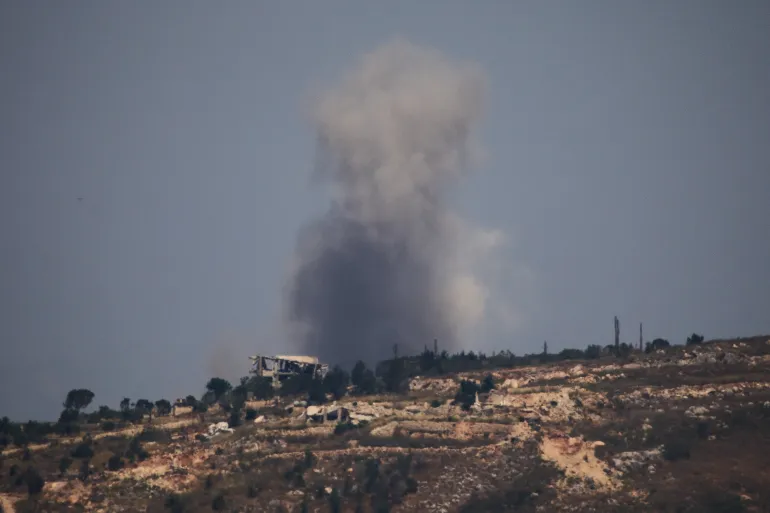
Israeli operations in southern Lebanon remain active, with forces limiting strikes to regions outside the capital but sustaining pressure on Hezbollah positions. Hezbollah has responded by continuing to fire rockets, though it has ceased targeting the Israeli towns farthest from the border that featured in earlier exchanges. This pattern of activity unfolded the day after the US announcement, showing little deviation from the preceding days of clashes. The situation underscores how quickly the announced pause failed to take hold on the ground, leaving communities near the border exposed to ongoing risks. [4]
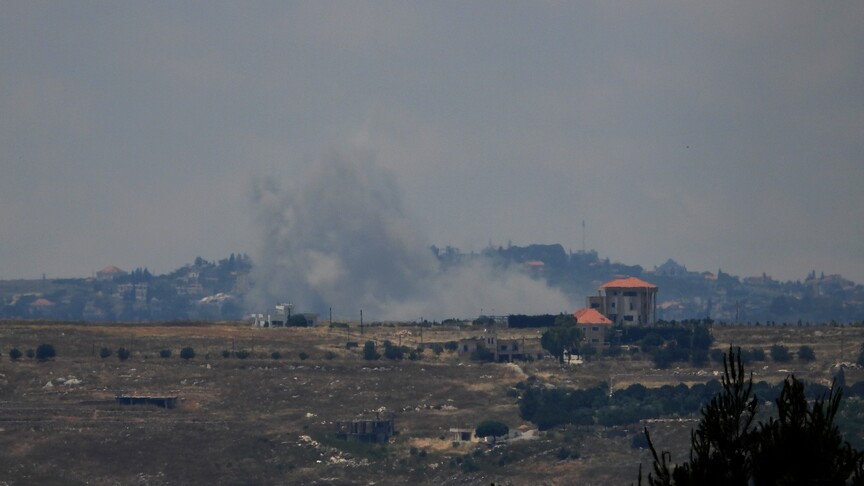
Israeli forces continue strikes in southern Lebanon amid Hezbollah rocket fire. — Source: anadolu
Israeli official statements
Israeli Defense Minister Israel Katz stated that military operations in southern Lebanon will continue and could expand based on developments along the border. Katz emphasized Israel's commitment to maintaining pressure on Hezbollah, noting that additional actions against the group remain under assessment as forces operate in the area. These remarks signal a deliberate policy of sustained engagement rather than immediate de-escalation, reflecting calculations tied directly to border security conditions. [5]
Casualties from recent strikes
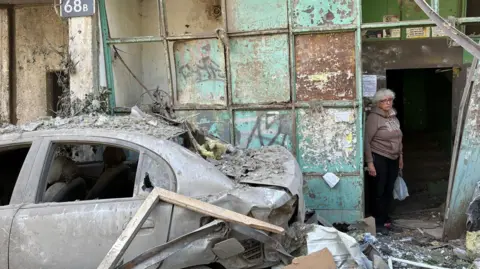
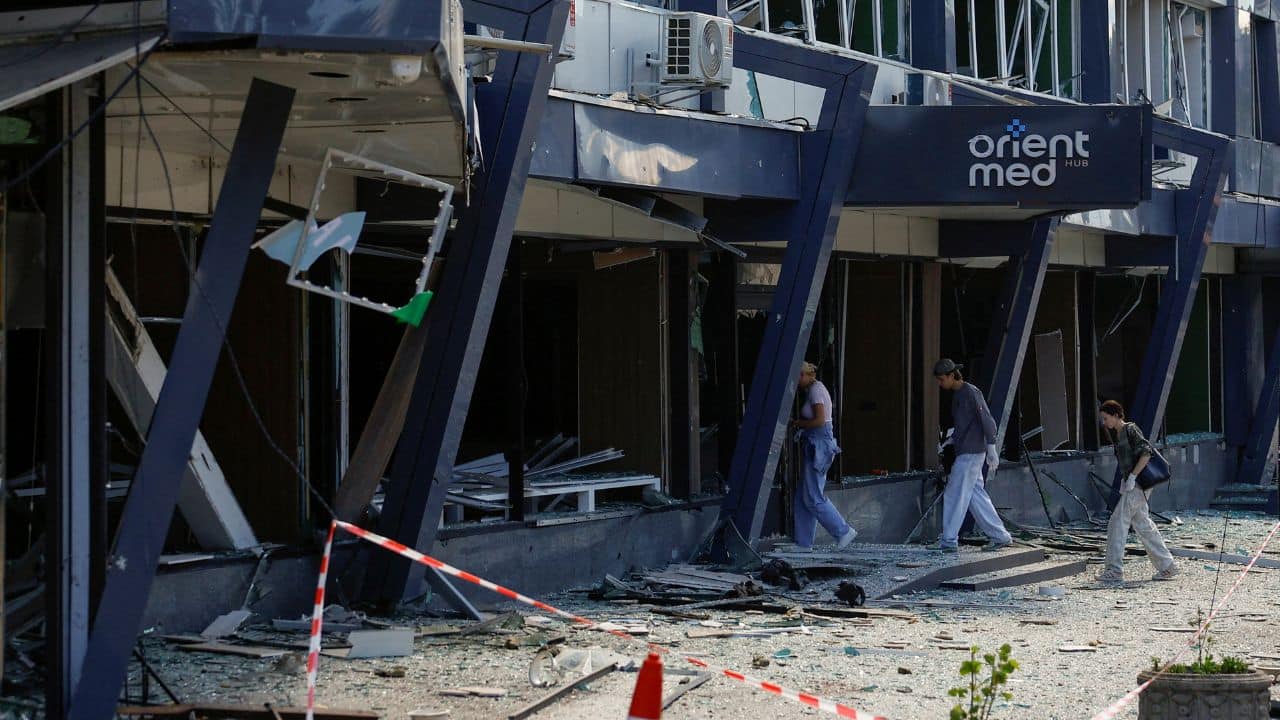
Israeli bombings killed 12 people across various parts of Lebanon during the recent period of intensified activity. Strikes avoided Beirut but hit multiple locations elsewhere in the country, contributing to the reported fatalities. This toll emerged even as the US announcement of an agreement to end clashes was still fresh, highlighting the human cost of the continued exchanges. [4]
UN monitoring and calls

Israeli operations continue in southern Lebanon amid exchanges with Hezbollah. — Source: ocha
UN peacekeepers recorded 468 projectile trajectories attributed to Israeli forces amid the intense military activity in Lebanon. The monitoring led to a direct call for maximum restraint from all parties involved. These observations provide a quantitative measure of the scale of Israeli operations and reinforce international appeals aimed at preventing further escalation in Lebanon's conflict. [2]
Diplomatic context and threats
International diplomatic efforts have intensified to preserve the ceasefire and avert a wider regional confrontation. Tensions escalated as Israel and Hezbollah exchanged threats, prompting renewed calls for talks that could also support separate negotiations involving Iran and the United States. The combination of ongoing field operations and public statements from both sides has complicated these external initiatives. [1]
Broader implications for Lebanon's conflict
The persistence of strikes and rocket fire illustrates the challenges facing any announced halt to hostilities in Lebanon's conflict. With operations continuing and both sides adjusting tactics without fully withdrawing, the risk of renewed cycles of violence remains elevated. International actors continue to monitor developments closely, seeking openings for dialogue that could lock in the fragile pause originally signaled by the US announcement. [1][4][5]
What to watch next: Further statements from Israeli officials on possible expansion of operations, additional UN reports on projectile activity, and any progress in the diplomatic push to stabilize the ceasefire.