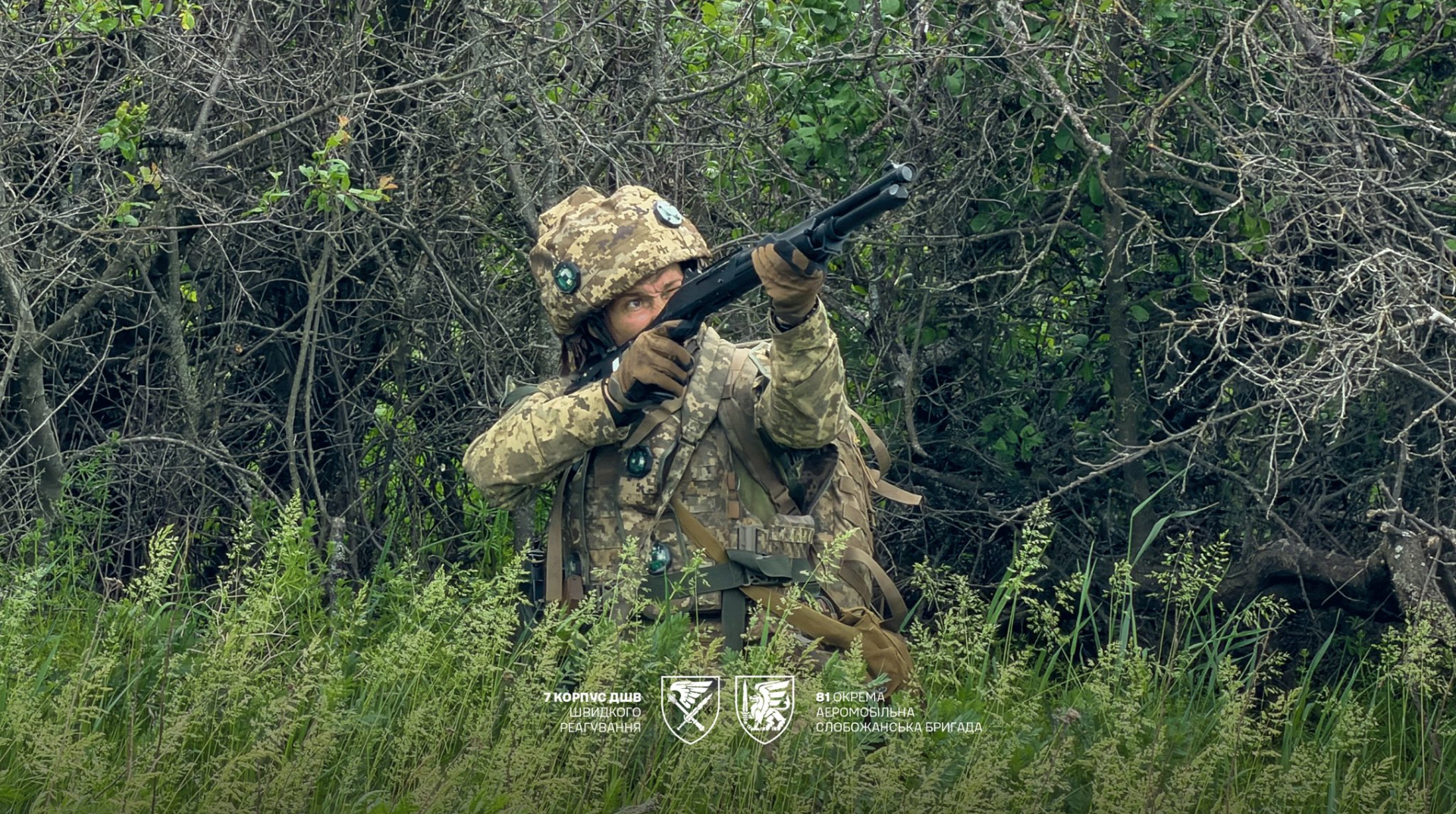
Strike in Lebanon: IDF Targets Hezbollah Terrorists in South
In a recent strike Lebanon escalation, the Israel Defense Forces (IDF) conducted strikes against Hezbollah terrorists in southern Lebanon who had approached troops, according to reports from the Jerusalem Post.[2] This action comes amid ongoing tensions in the region, including the killing of a French soldier by Hezbollah, as confirmed by French President Emmanuel Macron, and Israeli attacks that have resulted in at least one death despite a truce agreement.[1][3]
Overview of Recent Events
Southern Lebanon has been the scene of heightened military activity involving Israeli forces and Hezbollah militants, as detailed in multiple reports. The IDF carried out strikes targeting Hezbollah terrorists who approached troops along what has been referred to as the "yellow line," a demarcation often associated with security zones in the area.[2] These incidents are part of a broader pattern of confrontations, where Israeli attacks in Lebanon have led to casualties even after a truce was established on April 16.[3]
The sequence of events underscores the fragile security dynamics in southern Lebanon, where Hezbollah operatives have been active near Israeli positions. Reports indicate that the approach of these terrorists prompted immediate IDF response, highlighting the rapid escalation potential in the border region.[2] Concurrently, Israeli strikes have been linked to the death of at least one individual, raising questions about adherence to ceasefire terms amid continued hostilities.[3] This overview captures the interconnected nature of these clashes, with military actions from both sides contributing to a volatile environment. The involvement of international actors, such as French forces, further complicates the situation, as evidenced by statements from high-level officials.[1] Detailed accounts emphasize that these events are not isolated but reflective of persistent tensions along the Israel-Lebanon frontier, where troop movements and strikes occur in close proximity.[2][3]
IDF Military Actions
The IDF's strikes in southern Lebanon were specifically directed at Hezbollah terrorists who approached troops, marking a targeted response to perceived threats along the border.[2] According to the Jerusalem Post, these operations occurred in the context of the "yellow line," a reference to the Blue Line demarcation established post-2000 Israeli withdrawal from Lebanon, which serves as a de facto boundary monitored for security violations.[2]
This military action demonstrates the IDF's operational posture in defending against incursions by Hezbollah, a group designated as a terrorist organization by Israel and several international entities. The strikes were not indiscriminate but focused on neutralizing terrorists who moved toward IDF positions, indicating a reactive posture to immediate dangers.[2] Such responses are consistent with longstanding Israeli security protocols in the area, where proximity to troops triggers defensive measures. The precision of these strikes, as reported, aims to deter further approaches while minimizing broader escalation, though the exact scope and weaponry used remain tied to the operational details provided in the sources.[2] This event fits into a series of IDF activities designed to maintain a buffer against Hezbollah activities in southern Lebanon, a region long contested due to the group's entrenched presence.
Reported Casualties
Casualties from recent events in southern Lebanon include the death of a French soldier killed by Hezbollah, as stated directly by French President Emmanuel Macron.[1] This incident highlights the risks faced by international personnel operating in the area. Separately, Israeli attacks in Lebanon have resulted in at least one person killed, occurring despite the existence of a truce.[3]
These reports paint a picture of multifaceted losses amid the ongoing conflict. The French soldier's death, attributed explicitly to Hezbollah actions, underscores the dangers posed by the group's operations in southern Lebanon.[1] On the other side, the casualty from Israeli strikes is framed within the context of post-truce violations, with sources noting that new attacks led to this outcome.[3] No further specifics on the identity or circumstances of the individual killed in the Israeli attacks are detailed beyond the confirmation of the death toll.[3] The dual reporting of casualties—from Hezbollah fire and Israeli responses—illustrates the reciprocal nature of violence in the region, where both sides have inflicted losses.[1][3] Macron's public statement elevates the international dimension of these casualties, drawing attention to the broader implications for multinational involvement.[1]
Context of the Truce
A truce between Israel and Lebanon, agreed upon on April 16, has been reportedly violated through new Israeli attacks that killed one person.[3] This agreement was intended to de-escalate hostilities, yet the launch of strikes post-truce indicates challenges in its implementation.[3]
The truce's context is critical, as it followed periods of intensified exchanges along the border. Sources describe Israel's actions as a breach, with the attacks occurring after the April 16 pact, leading to the reported casualty.[3] This violation raises concerns about the durability of such agreements in a region marked by deep-seated animosities and competing claims over southern Lebanon. Hezbollah's activities, including approaches toward IDF troops, provide the backdrop against which these strikes happened, potentially justifying them from an Israeli perspective while being viewed as infractions by others.[2][3] The timing—post-truce—amplifies the significance, as it tests the mechanisms for enforcement and the willingness of parties to uphold ceasefires. Ongoing monitoring of the "yellow line" and border areas remains essential, as minor incursions can unravel fragile pacts.[2][3]
International Involvement
French forces have become directly embroiled in the southern Lebanon conflicts, with President Emmanuel Macron confirming the killing of a French soldier by Hezbollah.[1] This statement from the French leader brings international attention to the perils faced by troops deployed in the region, likely as part of peacekeeping or monitoring missions.
Macron's remarks specify Hezbollah's responsibility, positioning the incident within the framework of attacks by the militant group on foreign personnel.[1] The presence of French soldiers aligns with historical multinational efforts in Lebanon, such as those under UN auspices, though the sources focus solely on this casualty event. This involvement extends the conflict's scope beyond bilateral Israel-Hezbollah dynamics, implicating NATO member France and potentially influencing diplomatic responses.[1] The death serves as a stark reminder of the human cost for international actors seeking to stabilize the area amid persistent violence.
What to watch next: Monitor developments along the yellow line for further IDF responses to Hezbollah approaches and assessments of truce compliance following the April 16 agreement, as additional strikes or casualties could escalate tensions.[2][3]