
Strike in Lebanon: French Soldier Killed in Attack on UN Peacekeepers
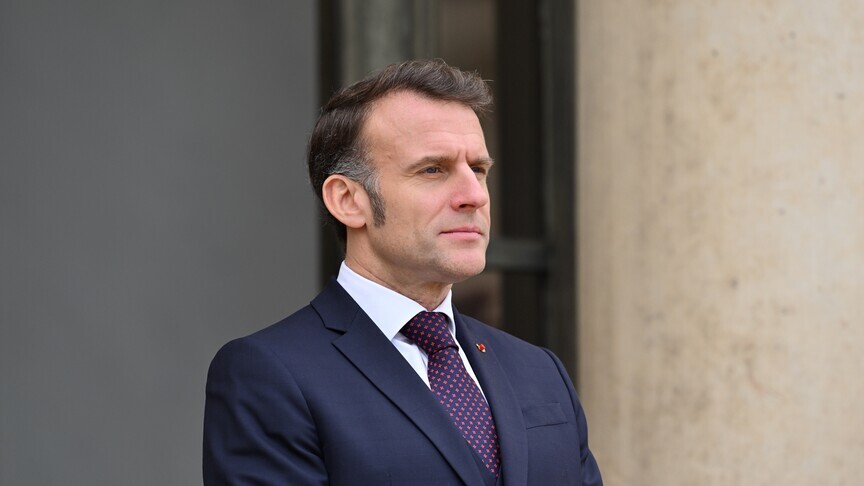
A French soldier was killed in an attack on UN peacekeepers in southern Lebanon, with French President Emmanuel Macron blaming Hezbollah.[1][2] This incident, part of a strike in Lebanon, has heightened tensions in the region amid ongoing military activities involving multiple parties.
Overview of the Attack
The attack targeted UN peacekeepers stationed in southern Lebanon, resulting in the death of a French soldier, as confirmed by French President Emmanuel Macron.[1][2] Macron's statement directly addressed the incident, highlighting its severity against international forces working to maintain stability in the area.[1] The event unfolded in a volatile zone where UN operations have long faced challenges from local armed groups.[2] This strike in Lebanon underscores the precarious security environment for multinational peacekeeping missions, particularly those under the United Nations Interim Force in Lebanon (UNIFIL), which has been deployed to monitor ceasefires and prevent escalations along the border.[1][2] The French president's public attribution of responsibility points to Hezbollah, a militant group with significant influence in southern Lebanon, as the perpetrator behind the assault on these peacekeepers.[2] Such attacks disrupt not only the immediate operations of UN forces but also the broader international efforts to de-escalate conflicts in the region.[1] Details from official statements emphasize that the incident occurred during routine peacekeeping duties, making it a direct challenge to the mandate of UNIFIL.[2] The timing and location in southern Lebanon align with patterns of sporadic violence that have persisted despite diplomatic initiatives.[1][2]
Details of Casualties and Attribution
In addition to the fatality, three other soldiers were wounded in the same attack on the UN peacekeepers.[1] French President Emmanuel Macron specified these casualties in his remarks, providing a clear account of the human toll.[1] The wounded individuals, also part of the French contingent, sustained injuries that required medical attention, though further specifics on their conditions were not detailed in initial reports.[1][2] Macron explicitly blamed Hezbollah for carrying out the attack, framing it as a deliberate action against UN forces.[1][2] This attribution aligns with repeated assertions from the French leader, who linked the violence directly to the group's activities in southern Lebanon.[2] Hezbollah's involvement has been a recurring theme in incidents affecting international personnel in the area, reflecting its operational presence near UN positions.[1] The president's statement serves as a key official record, emphasizing the targeted nature of the assault and its implications for French military commitments abroad.[2] Casualty figures from this event— one killed and three wounded—highlight the risks faced by peacekeepers, who operate under rules of engagement that prioritize observation over confrontation.[1] By naming Hezbollah, Macron's comments contribute to the narrative of accountability, potentially influencing diplomatic responses from France and its allies.[1][2]
Israeli Military Response
The Israel Defense Forces (IDF) conducted strikes on Hezbollah terrorists in southern Lebanon who approached troops.[3] These operations targeted militants identified as advancing toward Israeli positions, occurring in the same general area as the attack on UN peacekeepers.[3] The IDF's actions were described in terms of responding to immediate threats, with references to the "yellow line," a demarcation often associated with operational boundaries in the region.[3] Such strikes represent a standard military posture by Israel to counter perceived incursions by Hezbollah operatives.[3] The response involved precision targeting of terrorists, aimed at neutralizing risks to IDF personnel stationed along the border.[3] This activity in southern Lebanon illustrates the interconnected nature of security incidents, where one group's movements can prompt retaliatory measures.[3] Official IDF reports frame these strikes as defensive, focusing on terrorists who violated proximity protocols.[3] The operations add another layer to the day's events, demonstrating how threats from Hezbollah can trigger escalatory cycles involving Israeli forces.[3]
Context of Ongoing Conflicts
Israeli attacks in Lebanon have resulted in at least one death, occurring despite a truce agreement.[4] This violation of the truce, agreed upon on April 16, involved new launches that led to the reported fatality.[4] The incident points to fragile ceasefires in the region, where agreements are frequently tested by military actions from various sides.[4] Despite the truce's intent to halt hostilities, the persistence of attacks underscores the challenges in enforcing such pacts amid entrenched rivalries.[4] The death attributed to Israeli strikes fits into a pattern of reported breaches, complicating efforts to sustain calm in Lebanon.[4] This context frames the broader strike in Lebanon environment, where truces serve as temporary measures rather than permanent resolutions.[4]
Broader Implications
The killing of a French soldier in the attack on UN peacekeepers carries significant ramifications for international involvement in southern Lebanon.[1] Combined with IDF strikes on Hezbollah terrorists who approached troops, these events highlight a cycle of confrontations in the area.[3] Israeli attacks resulting in at least one death despite a truce further illustrate the instability, as violations continue to erode confidence in diplomatic agreements.[4] The blame placed on Hezbollah by President Macron situates the incident within ongoing tensions involving the group’s activities near UN and Israeli positions.[1][2] Strikes in southern Lebanon, as seen here, affect not only local dynamics but also multinational peacekeeping efforts.[1][3] The wounded French soldiers and the IDF's responses add to the tally of casualties and military engagements, signaling potential for wider repercussions.[1][3] This confluence of events—peacekeeper attack, terrorist strikes, and truce breaches—reflects the layered security challenges in the region.[4]
What to watch next: Further developments may include responses to the truce violation reported on April 16, potential additional IDF strikes on Hezbollah positions, and official statements on accountability for the attack on UN peacekeepers.[3][4]