
Strike in Lebanon: Death Toll from Israeli Attacks Rises to 2,491
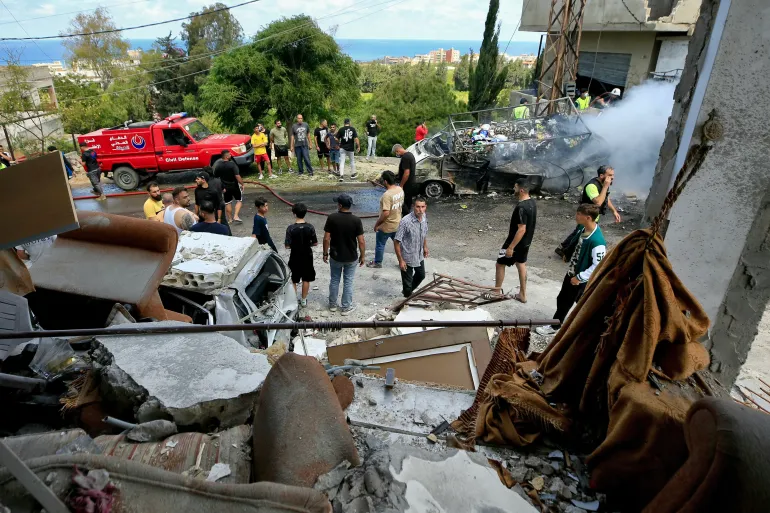
In the ongoing strike Lebanon developments, eight more people were killed in Israeli attacks across Lebanon, pushing the overall death toll from such attacks since March to 2,491, according to figures released by the Lebanese Health Ministry.[1] This latest update also notes that 12 others were injured over the past day alone, contributing to a cumulative total of 7,719 injuries reported in the same period.[1] These numbers underscore the persistent intensity of the conflict, with recent strikes adding to a toll that has steadily climbed amid cross-border exchanges.
Recent Attacks and Casualties
The Lebanese Health Ministry's latest report provides a stark snapshot of the human cost associated with the recent Israeli attacks in Lebanon.[1] Specifically, the ministry stated that eight individuals lost their lives in these strikes over the past day, elevating the death toll from Israeli attacks since March to 2,491.[1] This figure represents not just the immediate fatalities but a running tally that reflects months of sustained military activity along the border regions. In addition to the deaths, the ministry documented 12 new injuries from the same timeframe, bringing the total number of wounded to 7,719.[1] These statistics are compiled from official health records and hospital reports across affected areas, offering a comprehensive view of the medical response required.
Israeli warplanes have continued to carry out strikes in southern Lebanon, contributing directly to these casualty figures.[5] The attacks occurred despite broader diplomatic announcements aimed at de-escalation, highlighting the challenges in halting operations on the ground.[5] The ministry's data indicates a pattern where daily or near-daily incidents result in clusters of casualties, straining Lebanon's healthcare infrastructure. For instance, the addition of eight deaths in this reporting period alone demonstrates how individual strikes can rapidly increment the overall toll, with injuries often outpacing fatalities due to the nature of aerial bombardments.[1] This immediate human impact is central to understanding the conflict's toll on civilian and possibly combatant populations alike, as the ministry does not always distinguish between the two in its public tallies.[1]
The purpose of tracking these numbers is to summarize the tangible effects of the latest reported strikes, emphasizing their immediacy.[1][5] Anadolu Agency's coverage relays the ministry's pronouncements verbatim, ensuring that the figures are directly attributable to Lebanon's official health authorities.[1] As the death toll surpasses 2,491, it serves as a benchmark for assessing the scale of engagement since the escalation that began in March, potentially linked to broader regional tensions though specifics on the starting point remain tied to the ministry's reporting window.[1] Injuries at 7,719 further illustrate the long-term burden, with many survivors likely facing ongoing treatment needs amid disrupted services in southern regions frequently targeted.[1]
International Legal Implications
{IMAGE_2}
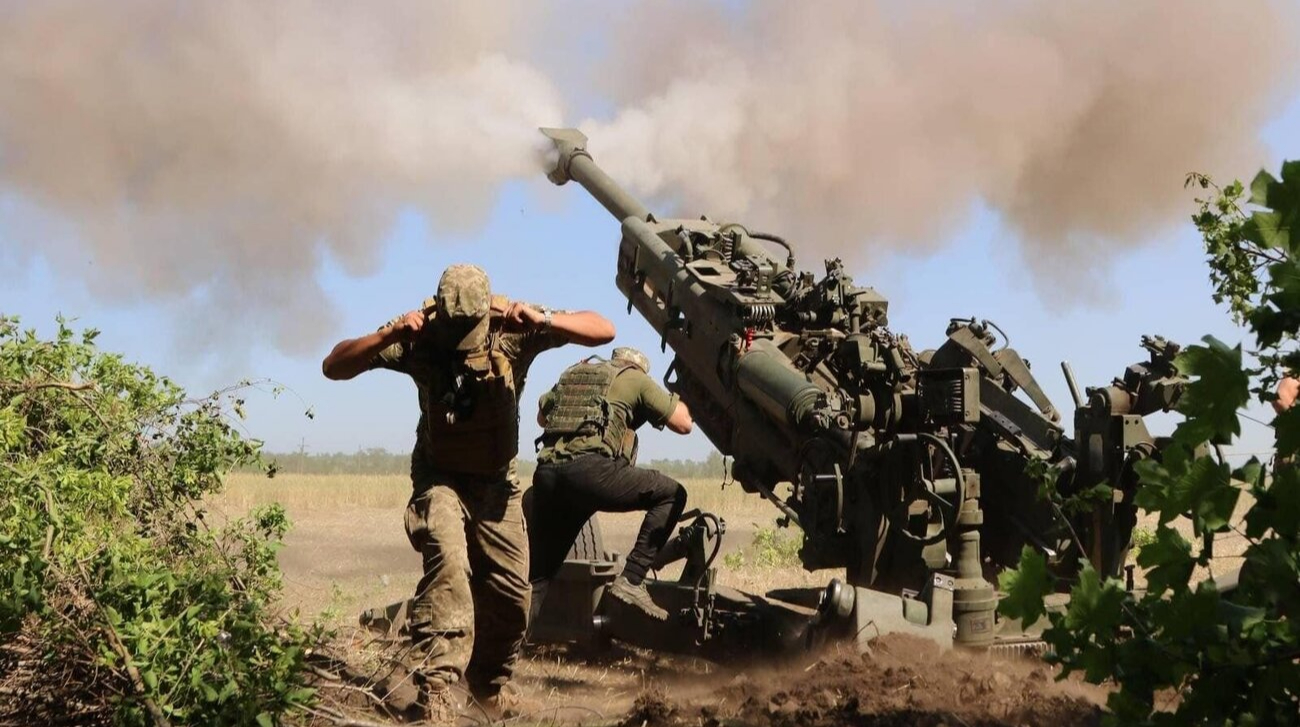
The United Nations has issued a significant warning concerning the ongoing military actions in the region, stating that Israeli attacks on Lebanon may violate international law.[2] This assessment comes from a UN report that scrutinizes the conduct of operations, suggesting potential breaches of established legal norms governing armed conflicts.[2] At the same time, the report points out that Hezbollah's rocket attacks on Israel may have also breached international humanitarian law (IHL), applying scrutiny to actions on both sides of the border.[2]
International humanitarian law encompasses principles designed to protect civilians and limit the means and methods of warfare, though the UN report does not delve into specific incidents in its summary.[2] The dual critique underscores a balanced approach by the UN, recognizing risks of violations from Israeli aerial campaigns in Lebanon and Hezbollah's retaliatory rocket fire into Israel.[2] Al Jazeera's reporting on the UN statement highlights this as a formal caution, potentially paving the way for further investigations or calls for accountability.[2] Such warnings carry weight in diplomatic circles, as they draw from expert analysis of strike patterns, targeting decisions, and proportionality under IHL frameworks.[2]
This section outlines the UN's position on potential legal infractions, emphasizing that both parties' actions are under review.[2] The implications extend to international relations, where adherence to humanitarian standards could influence support from global actors. The report's language—"may violate" and "may have breached"—indicates provisional findings based on available evidence, inviting deeper probes without conclusive judgments at this stage.[2] For Lebanon and Israel, these observations add a layer of complexity to military planning, as non-compliance risks broader condemnation or sanctions.[2]
Extent of Destruction
Satellite images have emerged showing the extensive scale of destruction caused by Israeli operations in Lebanon, with analysts drawing direct comparisons to patterns seen in Gaza.[3] Described as following "the Gaza playbook," the imagery captures widespread structural damage across targeted areas, revealing a methodical approach to infrastructure impact.[3] CNN's analysis of these high-resolution satellite photos provides visual evidence that quantifies the devastation, likely encompassing buildings, roads, and possibly agricultural lands in southern Lebanon.[3]
The term "Gaza playbook" refers to observed similarities in the spatial distribution and intensity of damage, where repeated strikes create overlapping zones of ruin.[3] This evidence-based assessment relies on before-and-after comparisons from satellite providers, offering an objective measure independent of ground reports.[3] The scale depicted suggests not isolated hits but cumulative effects that could render areas uninhabitable or disrupt civilian life significantly.[3] Such documentation is crucial for verifying claims of destruction and informing humanitarian aid prioritization.
By describing the evidence from these images, this section highlights the material consequences paralleling human losses.[3] The visual data corroborates reports of intensified strikes, as leveled structures align with locations of recent casualties.[3] International observers may use this to assess compliance with laws protecting civilian objects, though the images themselves focus on the observable footprint rather than intent.[3]
Hezbollah's Responses
{IMAGE_3}
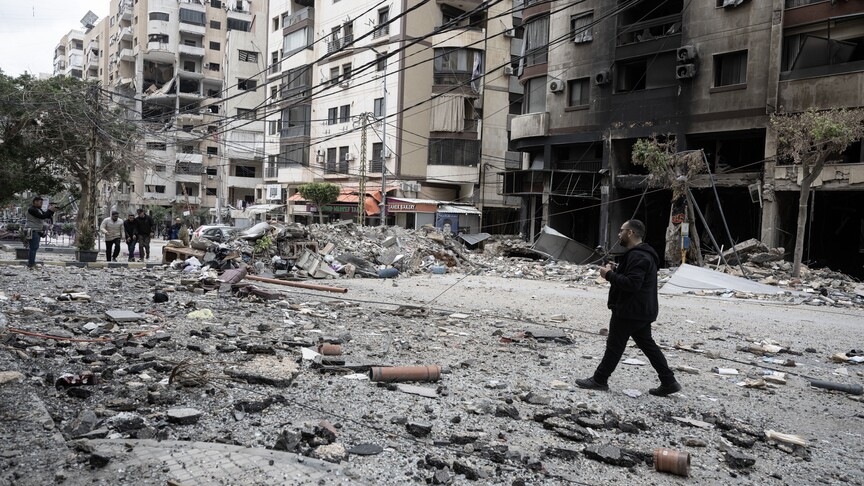
Hezbollah has claimed responsibility for targeting Israeli troops with a drone strike in southern Lebanon, as part of its ongoing military responses in the conflict.[4] The Lebanese group further asserted that it shot down an Israeli drone in the skies over the Househ area near Tyre using a surface-to-air missile.[4] These actions were reported by Anadolu Agency, presenting Hezbollah's version of events without independent verification noted in the coverage.[4]
The drone targeting of Israeli troops represents a tactical escalation by Hezbollah, focusing on ground forces in border zones.[4] Meanwhile, the downing of an Israeli drone demonstrates air defense capabilities, specifically employing a surface-to-air missile to neutralize surveillance or strike assets over Househ, a coastal area proximate to Tyre.[4] Hezbollah's statements frame these as defensive measures against Israeli incursions, aligning with its narrative of resistance.[4]
Detailing these claims allows for a record of Hezbollah's operational responses, which occur amid reciprocal strikes.[4] The group's ability to conduct drone operations and missile intercepts points to sustained military readiness, potentially influencing Israeli strategy in southern Lebanon.[4] Such incidents contribute to the cycle of escalation, with each side publicizing successes to bolster domestic and allied support.[4]
Ceasefire Developments
Israeli warplanes conducted strikes in southern Lebanon despite an announced extension of the ceasefire between Israel and Lebanon by three weeks.[5] This development follows a Trump announcement regarding the extension, which stemmed from ambassador-level talks at the White House.[5] Anadolu Agency reported the strikes as occurring in direct contravention of the diplomatic progress, raising questions about enforcement mechanisms.[5]
The ceasefire extension was positioned as a step toward de-escalation, yet the immediate aftermath saw continued aerial activity.[5] Trump's involvement via announcement suggests high-level U.S. mediation, with talks at the White House involving ambassadors from the involved parties.[5] Despite this, the strikes indicate gaps between political agreements and battlefield realities.[5]
Addressing the status of ceasefire efforts reveals ongoing breaches, complicating peace prospects.[5] The three-week prolongation aimed to build on prior truces, but persistent operations undermine confidence in the process.[5]
Cumulative Impact Since March
The Lebanese Health Ministry's tracking since March encapsulates the broader trajectory of casualties from Israeli attacks, now at 2,491 deaths and 7,719 injuries.[1] This cumulative tally integrates daily increments like the recent eight fatalities and 12 injuries, painting a picture of protracted engagement.[1] Combined with strikes despite ceasefire moves [5], it reflects a conflict resistant to short-term halts.
These figures, alongside UN legal concerns [2], Hezbollah countermeasures [4], and documented destruction [3], illustrate interconnected impacts. The ministry's role as primary source lends official credence, though totals may evolve with verifications.[1]
What to watch next: Observers should monitor adherence to the three-week ceasefire extension amid reports of continued strikes [5], potential UN follow-ups on international law warnings [2], Hezbollah's further drone and missile activities [4], and updates to destruction assessments from satellite imagery [3].