Strike in Lebanon: Israeli Warplanes Attack Southern Region Despite Ceasefire
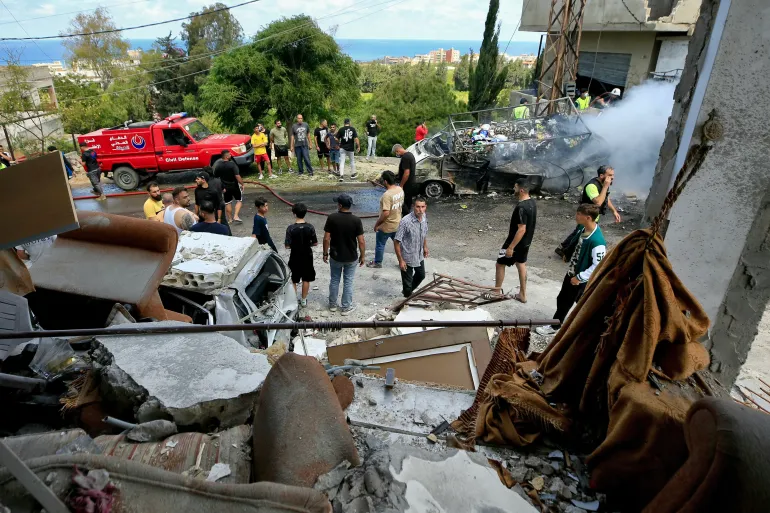
Israeli warplanes struck southern Lebanon despite a ceasefire extension announced after ambassador-level talks, marking a significant escalation in the strike Lebanon tensions.[4] A UN report has warned that Israeli attacks on Lebanon may violate international law, while Hezbollah's rocket attacks on Israel may have breached international humanitarian law.[1] Satellite images have revealed the scale of Israeli destruction in Lebanon, bearing similarities to patterns seen in Gaza.[2] Hezbollah claimed to have targeted Israeli troops with a drone and shot down an Israeli drone in southern Lebanon.[3] Additionally, a UN peacekeeper from Indonesia died following an attack in Lebanon, according to UNIFIL.[5]
Overview of Recent Developments
The ongoing conflict in southern Lebanon has seen a series of military engagements that continue to challenge efforts toward de-escalation. Recent reports highlight Israeli warplanes conducting strikes in the region, even as diplomatic announcements aimed at extending a ceasefire were made public.[4] These actions come amid claims from Hezbollah of direct confrontations with Israeli forces, including drone operations targeting troops in southern Lebanon.[3] The situation underscores a pattern of intermittent violence, where both sides have reported actions that sustain a cycle of retaliation. Ambassador-level talks at the White House reportedly led to an extension of the ceasefire by three weeks, as announced by former U.S. President Donald Trump, yet the strikes indicate immediate challenges to this agreement.[4] UNIFIL's reporting of a peacekeeper casualty further illustrates the risks to international observers in the area, with an Indonesian soldier succumbing to severe injuries from an attack.[5] These developments collectively paint a picture of fragile stability, where military activities persist despite international mediation efforts. The involvement of advanced weaponry, such as drones and warplanes, points to the technological dimension of the exchanges, complicating ground-level assessments.[3][4] Broader context from UN assessments suggests that such incidents could have lasting implications for regional security, as violations of legal norms are flagged.[1] Satellite imagery analysis adds a layer of verification to the reported impacts, showing extensive damage aligned with previous conflict zones.[2] This overview captures the multifaceted nature of the recent events, blending aerial strikes, ground claims, and humanitarian concerns into a tense narrative.
Military Actions and Exchanges
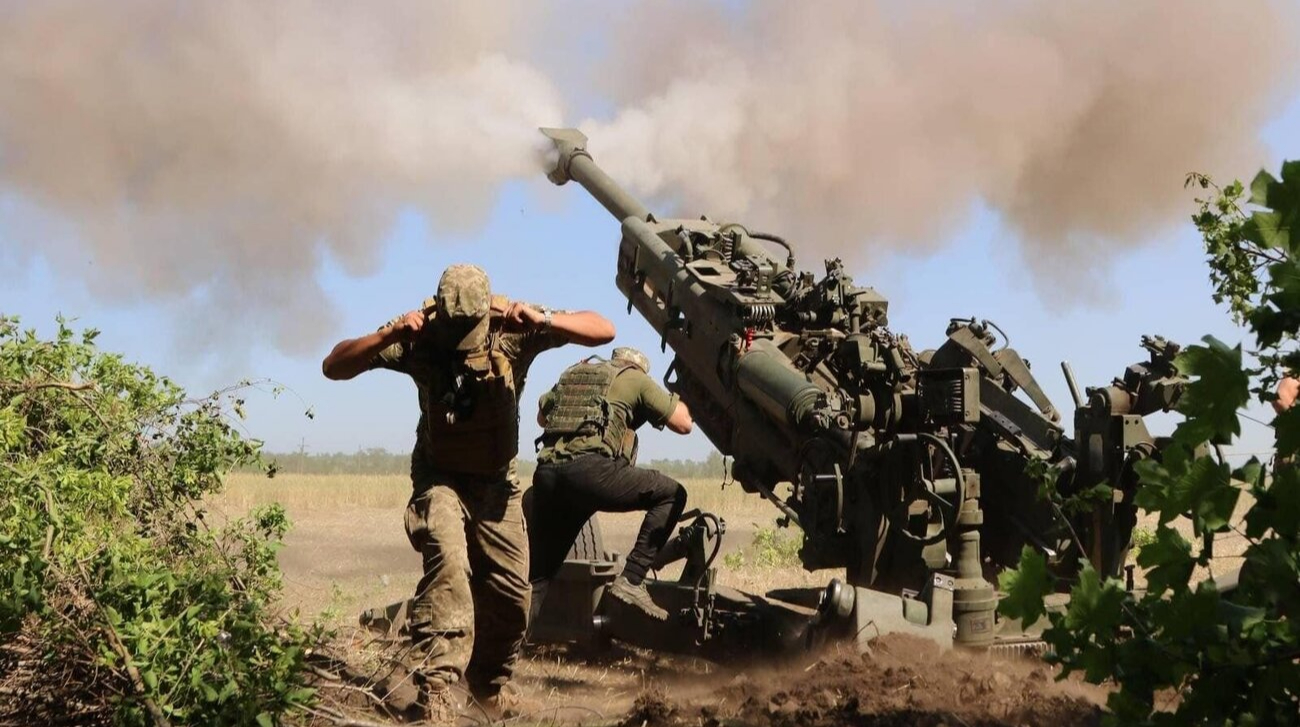
Specific military actions have defined the latest exchanges between Israeli forces and Hezbollah in southern Lebanon. Israeli warplanes carried out strikes on targets in the southern region, defying the recently extended ceasefire framework.[4] In response or parallel, Hezbollah announced it had targeted Israeli troops using a drone in the area, emphasizing precision strikes against military personnel.[3] The Lebanese group further claimed to have downed an Israeli drone over the Househ area near Tyre with a surface-to-air missile, demonstrating air defense capabilities amid the hostilities.[3] These reports highlight a tit-for-tat dynamic, where aerial incursions prompt counter-drone measures. The timing of the Israeli strikes, occurring despite the ceasefire extension following White House talks, raises questions about coordination and compliance in real-time operations.[4] Hezbollah's statements provide insight into their operational tactics, focusing on drone technology to engage Israeli positions directly.[3] Such exchanges not only involve conventional airstrikes but also incorporate unmanned systems, altering the battlefield landscape. The persistence of these actions post-diplomatic announcements suggests underlying disagreements over ceasefire terms or interpretations.[4] Detailed location references, like Househ near Tyre, allow for mapping the scope of engagements, which span key southern zones.[3] This section details how these incidents form a connected web of military responses, each building on the previous to maintain pressure.
{IMAGE_2}
Hezbollah's Claims and Actions
Hezbollah's public statements have been central to narrating their role in the southern Lebanon confrontations. The group asserted that it launched a drone strike specifically targeting Israeli troops positioned in the region, framing it as a defensive or retaliatory measure.[3] Additionally, they reported successfully intercepting and shooting down an Israeli drone in the skies over the Househ area near the city of Tyre, employing a surface-to-air missile for the engagement.[3] These claims underscore Hezbollah's reliance on asymmetric warfare tools like drones, which enable strikes without exposing ground forces extensively. The specificity of locations such as Househ provides geographical context, situating the actions in a contested border zone prone to frequent incidents.[3] By publicizing these operations, Hezbollah aims to project military efficacy and deterrence against further incursions. The downing of the Israeli drone represents a notable air defense success in their narrative, potentially boosting morale and signaling capability to adversaries.[3] These reports align with broader patterns of exchanges, where drone technology features prominently on both sides. While unverified independently in the sources, Hezbollah's declarations contribute to the information environment shaping perceptions of the conflict's intensity.[3]
International Law and Warnings
The United Nations has issued stark warnings regarding the legal dimensions of the ongoing hostilities. A UN report explicitly states that Israeli attacks on Lebanon may violate international law, pointing to potential breaches in the conduct of military operations.[1] In a balanced assessment, the same report notes that Hezbollah's rocket attacks on Israel may have breached international humanitarian law, highlighting obligations under frameworks like the Geneva Conventions.[1] These statements reflect the UN's role in monitoring compliance amid escalating violence. The phrase "may violate" indicates a preliminary evaluation based on available evidence, urging further investigation and restraint from all parties. International humanitarian law encompasses protections for civilians and proportionality in attacks, areas where both sides' actions are scrutinized.[1] Such warnings carry weight in diplomatic circles, potentially influencing future resolutions or sanctions. The UN's position adds an authoritative layer to the discourse, emphasizing that military gains cannot supersede legal norms. This section focuses on how these pronouncements serve as a call for accountability, grounded in the report's dual critique.[1]
Extent of Destruction and Impact
Satellite images have provided compelling visual evidence of the scale of Israeli destruction in Lebanon, revealing patterns reminiscent of those observed in Gaza, often referred to as the "Gaza playbook."[2] This imagery underscores the extensive infrastructural damage inflicted, with widespread devastation captured from above. The comparison to Gaza suggests tactical similarities in bombardment strategies, amplifying concerns over long-term rebuilding challenges.[2] Beyond material losses, human impacts are severe, as evidenced by the death of a UN peacekeeper from Indonesia. UNIFIL reported that the soldier died after suffering severe injuries in an attack within Lebanon, highlighting the perils faced by international forces.[5] This incident illustrates how conflict zones endanger neutral observers tasked with peacekeeping. The combination of satellite data and personnel casualties paints a comprehensive picture of repercussions, from demolished structures to loss of life.[2][5] Effects on local populations likely include displacement and service disruptions, though specifics tie back to these documented scales. The "Gaza playbook" reference implies a replicable model of destruction, prompting analysis of strategic intents.[2] Personnel impacts, like the Indonesian peacekeeper's fate, personalize the toll, affecting multinational contingents under UNIFIL.[5]
{IMAGE_3}
Ceasefire Status
The ceasefire between Israel and Lebanon faces immediate tests following its extension. Israeli warplanes struck southern Lebanon despite the agreement, which was extended by three weeks as announced by Donald Trump after ambassador-level talks at the White House.[4] This development signals potential breaches or differing interpretations right from the outset. The diplomatic process involved high-level discussions, yet the aerial attack indicates gaps in enforcement mechanisms.[4] Ceasefire extensions typically aim to build on fragile truces, allowing time for negotiations, but such strikes undermine momentum. The announcement's timing, post-talks, contrasts sharply with on-ground realities, where military operations continued.[4] Monitoring compliance remains critical, as repeated violations could erode trust. This status reflects a precarious balance, where announcements meet persistent actions.
UN Peacekeeper Incident and Broader Implications
The death of a UN peacekeeper underscores the humanitarian risks in Lebanon's volatile environment. UNIFIL confirmed that an Indonesian soldier died after sustaining severe injuries from an attack, marking a tragic loss for the peacekeeping mission.[5] Such incidents highlight the exposure of UN forces to crossfire, complicating their mandate to maintain stability along the border. The peacekeeper's fate follows patterns of violence affecting neutral parties, amplifying calls for protection protocols.[5] Implications extend to international commitment, as casualties may affect troop contributions from nations like Indonesia. This event ties into the larger destruction narrative, where military actions inadvertently or directly impact observers.[5]
What to watch next: Observers should monitor compliance with the extended ceasefire, potential UN investigations into law violations, Hezbollah's further drone claims, and updates on destruction assessments from satellite imagery.[1][2][3][4]