Strike in Lebanon: At Least 20 Killed in Israeli Attacks Over Past 24 Hours
Israeli forces continue to strike southern Lebanon despite a ceasefire in effect since April 17, with recent attacks killing at least 7 and 8 people.[3][4] In this ongoing strike Lebanon scenario, Hezbollah carried out 11 operations against Israeli forces in southern Lebanon,[1] while at least 20 people were killed in Israeli attacks in Lebanon in the last 24 hours, bringing the total death toll to nearly 2,700.[2] The Lebanese Health Ministry reported 46 injuries from recent attacks, increasing the total number of injuries to 8,229.[2] Israel issued evacuation warnings for 11 villages in southern Lebanon amid ongoing military actions.[5]
Overview of Recent Developments
The current situation in southern Lebanon involves a series of exchanges between Israeli forces and Hezbollah, marked by continued strikes and defensive interceptions. Sirens sounded in northern Israel as the Israeli army reported intercepting aerial targets, a development that coincided with Hezbollah's announcement of carrying out 11 operations against Israeli forces positioned in southern Lebanon.[1] These operations by Hezbollah represent a significant level of activity, underscoring the persistent tensions along the border region despite broader efforts to maintain calm.
This overview highlights the dual nature of the engagements: Israeli strikes penetrating Lebanese territory and Hezbollah responses prompting defensive measures in Israel. The interception of aerial targets by the Israeli army indicates proactive monitoring and response capabilities aimed at neutralizing potential threats launched from southern Lebanon.[1] Meanwhile, Hezbollah's 11 operations suggest coordinated efforts targeting Israeli military positions, contributing to the cycle of actions and reactions in the area. Such developments illustrate the fragile security environment, where both sides maintain operational readiness.
The interplay of these events—strikes from Israel into Lebanon and interceptions over northern Israel—points to a pattern of low-level but sustained conflict. Hezbollah's operations are framed as direct confrontations with Israeli forces, potentially involving rocket launches or other incursions that trigger sirens and interceptions.[1] This summary captures the immediacy of the situation, with real-time alerts in Israel reflecting the cross-border nature of the threats. The persistence of these activities raises questions about the effectiveness of de-escalation measures, as military actions continue to shape the daily reality for communities on both sides of the border.[1]
Further context from these reports emphasizes the rapid pace of developments. The sounding of sirens in northern Israel serves as an early warning system, allowing for evacuations and preparations, while the successful interceptions by the army demonstrate technological and tactical responses to Hezbollah's initiatives.[1] Hezbollah, in turn, publicizes its 11 operations to signal ongoing resistance against Israeli presence in southern Lebanon. Together, these elements form a comprehensive picture of the recent military dynamics, where neither side appears to fully disengage.[1]
Casualties from Israeli Attacks

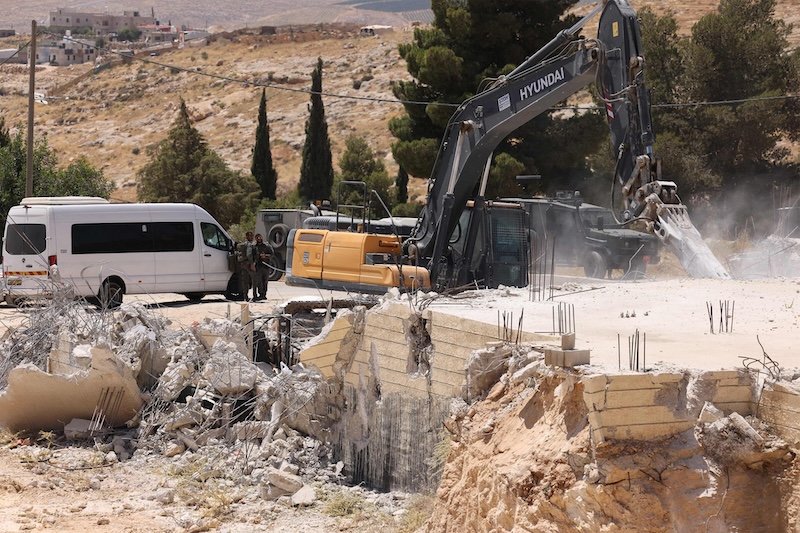
Israeli forces conduct strikes in southern Lebanon, killing at least 20 people. — Source: thenewarab
Israeli attacks in Lebanon have resulted in significant casualties, with 20 people killed in the last 24 hours alone, pushing the overall death toll from these operations to nearly 2,700.[2] This recent surge underscores the intensity of the strikes, as reported by reliable updates on the conflict. The Lebanese Health Ministry has specifically noted 46 injuries stemming from these attacks, bringing the cumulative number of injuries to 8,229.[2] These figures highlight the human cost borne primarily by Lebanese populations amid the ongoing exchanges.
Breaking down the casualty reports, the 20 deaths in the past day represent a concentrated wave of violence, likely encompassing multiple strike locations across Lebanon.[2] The Health Ministry's tally of injuries further illustrates the scope, with 46 new cases adding to a total that reflects prolonged exposure to military actions. This ministry, as a key authority on health impacts, provides consistent tracking that integrates data from hospitals and field reports, offering a grounded assessment of the toll.[2]
The nearing 2,700 death toll serves as a stark indicator of the conflict's duration and ferocity, with each new incident compounding the losses.[2] Injuries totaling 8,229 suggest widespread effects, including those requiring immediate medical attention and long-term care. These numbers are not abstract; they correspond to individuals affected by strikes that have targeted areas in Lebanon, contributing to a humanitarian strain in the region.[2]
In analyzing these casualties, the last 24 hours' deaths of 20 stand out as particularly acute, potentially linked to intensified operations.[2] The Health Ministry's report of 46 injuries in the same period aligns with patterns of aerial and ground-based attacks, where shrapnel, blasts, and structural collapses lead to both fatalities and wounds.[2] The progression to nearly 2,700 deaths and 8,229 injuries paints a picture of escalating cumulative impact, informing international observers and local responders about the urgent needs for aid and cessation.[2]
Specific Incidents in Southern Lebanon
New Israeli attacks have claimed at least 7 lives in southern Lebanon, with separate reports indicating at least 8 fatalities from comparable strikes in the same region.[3][4] These incidents involve the Israeli army continuing to target southern Lebanese towns, demonstrating a pattern of military engagement despite de-escalation agreements.[3][4] The variation between 7 and 8 deaths may reflect evolving assessments or distinct events within a short timeframe, but both underscore the lethality of the operations.
Details from these specific attacks reveal focused strikes on populated areas, resulting in the reported deaths.[3][4] The Israeli army's persistence in striking southern Lebanese towns points to strategic objectives, such as neutralizing perceived threats or infrastructure linked to adversarial groups.[3][4] Southern Lebanon, as a hotspot, has seen repeated such actions, with each new attack adding to the tally of casualties and destruction.
Cross-referencing the reports, the "at least 7" and "at least 8" figures likely capture the minimum confirmed losses, with potential for higher numbers as information consolidates.[3][4] These strikes have directly impacted communities, leading to immediate human suffering and displacement. The choice of targets in southern towns aligns with broader military campaigns aimed at securing border areas.[3][4]
The outcomes of these incidents extend beyond immediate deaths, fostering an environment of insecurity. Israeli forces' continued operations suggest preemptive or retaliatory motives, maintaining pressure on southern Lebanon.[3][4] Such specificity in reporting—at least 7 or 8 killed—allows for precise tracking of the conflict's toll, emphasizing the localized nature of the violence.[3][4]
Evacuation and Military Warnings
Israel has issued evacuation warnings for 11 villages in south Lebanon, directing residents to leave amid ongoing military activities.[5] In southern Lebanon, the Israeli military has persisted in issuing these warnings, conducting strikes, and even demolishing villages, all despite the ceasefire framework.[5] These measures are presented as necessary for safety, urging civilians to vacate areas deemed high-risk due to impending or active operations.
The targeting of 11 specific villages highlights a systematic approach to clearing zones potentially harboring threats.[5] Evacuation orders serve as precursors to intensified actions, including strikes and demolitions, which the Israeli military justifies as part of securing the region.[5] This combination of warnings and strikes creates urgency for affected populations, many of whom face repeated displacements.
The context of these warnings ties directly to the southern Lebanon theater, where military necessity drives the notifications.[5] By naming 11 villages, Israel provides targeted guidance, though compliance poses challenges in a conflict zone with damaged infrastructure.[5] The continuation of strikes and demolitions post-warnings indicates a multi-phased strategy, prioritizing operational freedom while attempting to minimize civilian exposure.[5]
These evacuation efforts reflect the tactical evolution in the area, balancing military goals with humanitarian considerations as articulated in the warnings.[5] The 11 villages represent key locations in the ongoing dynamics, underscoring the breadth of affected territory.[5]

Hezbollah launches drone and artillery attacks on Israeli forces in southern Lebanon. — Source: khaamapress
Context of Ceasefire Violations
The Israeli army's strikes on southern Lebanese towns persist despite a ceasefire in effect since April 17, as evidenced by new attacks killing at least 7 and 8 people.[3][4] This continuation raises concerns about adherence to the agreement, with military actions undermining the truce's intent.[3][4][5] Evacuation warnings for 11 villages further illustrate operations that challenge the ceasefire's parameters.[5]
Reports confirm that strikes and related activities have not abated post-April 17, with the Israeli military maintaining an active posture in southern Lebanon.[3][4][5] The ceasefire, aimed at halting hostilities, appears tested by these violations, as both strikes and warnings proceed.[3][4][5] Hezbollah's responses, including operations noted elsewhere, may contribute to the cycle, but the focus here is on Israeli actions breaching the lull.[3][4][5]
The persistence despite the ceasefire highlights enforcement gaps, with at least 7 or 8 deaths from recent strikes signaling escalation risks.[3][4] Combined with demolitions and warnings for 11 villages, these elements depict a landscape where de-escalation rhetoric contrasts with ground realities.[5] The April 17 date marks a supposed turning point, yet ongoing strikes indicate fragility.[3][4][5]
Hezbollah's Operations Against Israeli Forces
Hezbollah has carried out 11 operations against Israeli forces in southern Lebanon, a claim made alongside reports of sirens and interceptions in northern Israel.[1] These operations represent assertive actions by the group, targeting Israeli military positions and prompting defensive responses such as aerial target interceptions.[1]
The 11 operations signify a sustained campaign, likely involving launches that activate sirens across northern Israel.[1] The Israeli army's interception of aerial targets directly correlates with these activities, showcasing the back-and-forth nature of engagements.[1] Hezbollah's public statement on the operations serves to document its role in countering Israeli presence.
This level of activity—11 distinct operations—demonstrates organizational capacity and willingness to confront forces in southern Lebanon.[1] The resulting sirens in Israel highlight the reach of these efforts, necessitating rapid interceptions to mitigate threats.[1] In the broader strike Lebanon context, Hezbollah's moves add layers to the conflict dynamics.
What to watch next: Continued Israeli strikes and evacuation warnings in southern Lebanon, alongside Hezbollah operations and potential interceptions in northern Israel, may further test the ceasefire in effect since April 17.[1][3][4][5]