
Israeli Settlers Destroy Finland-Backed Schools in West Bank as Global Conflicts Generate Fresh Humanitarian Crises
Israeli settlers have destroyed schools and community infrastructure in the occupied West Bank that received funding from Finland and other international donors, while separate conflicts continue to generate humanitarian crises through landmine contamination in Sudan, ongoing fighting in Ukraine, and violence hampering aid in the Democratic Republic of the Congo and Lebanon.
Settler Attacks on Internationally Funded Infrastructure in the West Bank
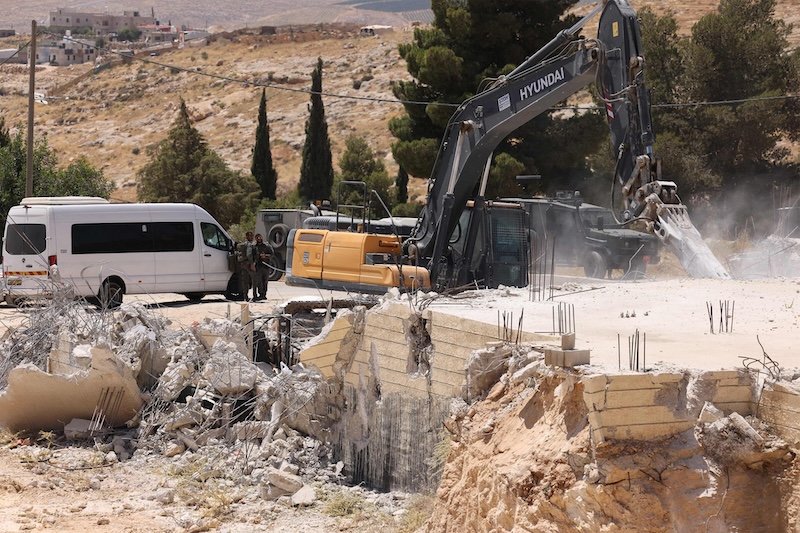
Israeli settlers have destroyed schools and other community infrastructure in the occupied West Bank that received support from Finland and other international donors. [1] The Finnish public broadcaster reported that a significant number of Palestinian facilities funded through international aid programmes have been demolished or damaged in recent years, including projects supported through Finnish development cooperation. [1] Settler-related incidents continue in the West Bank. [5] On Monday, near the town of Halhul, Israeli settlers reportedly attacked Palestinian farmers using sticks and stones. [5] A newly established settlement near the town of Dura prevented Palestinians from accessing thousands of acres of agricultural land, affecting the safety and livelihoods of more than a dozen families and restricting movement and access for thousands of Palestinians. [5] OCHA calls once again for the protection of civilians, which includes enforcing the law against anyone who carries out attacks. [5] The UN and its humanitarian partners continue to provide assistance across the Gaza Strip. [5] Since May, and in collaboration with partners, the International Organization for Migration are providing shelter repairs, replacing wood with aluminium to improve durability, safety, and living conditions. [5] They also supported the manufacture and installation of nearly 150 large emergency family shelters and provided shelter assistance to hundreds of families, combining cash and in-kind support. [5] The UN and its humanitarian partners are also repurposing used wooden pallets for furniture and other household uses. [5] However, IOM warns that progress continues to be constrained by lengthy Israeli approval processes, including custom clearance. [5] Delays have led to winter items only receiving approval during the summer. [5] Last month, several shipments, including kitchen sets and solar lanterns, that had already been cleared by Israeli authorities were nevertheless denied entry. [5] Meanwhile, as families experience electricity blackouts, overcrowding and lack of safe cooking fuel, they often prepare meals over an open fire inside or near their tents. [5] In June, the UN and its partners responded to multiple cooking-related fire incidents. [5] To mitigate further risk, humanitarian teams provide safety guidance to people at risk. [5]
Mine Clearance Efforts in Khartoum's Former Family Park
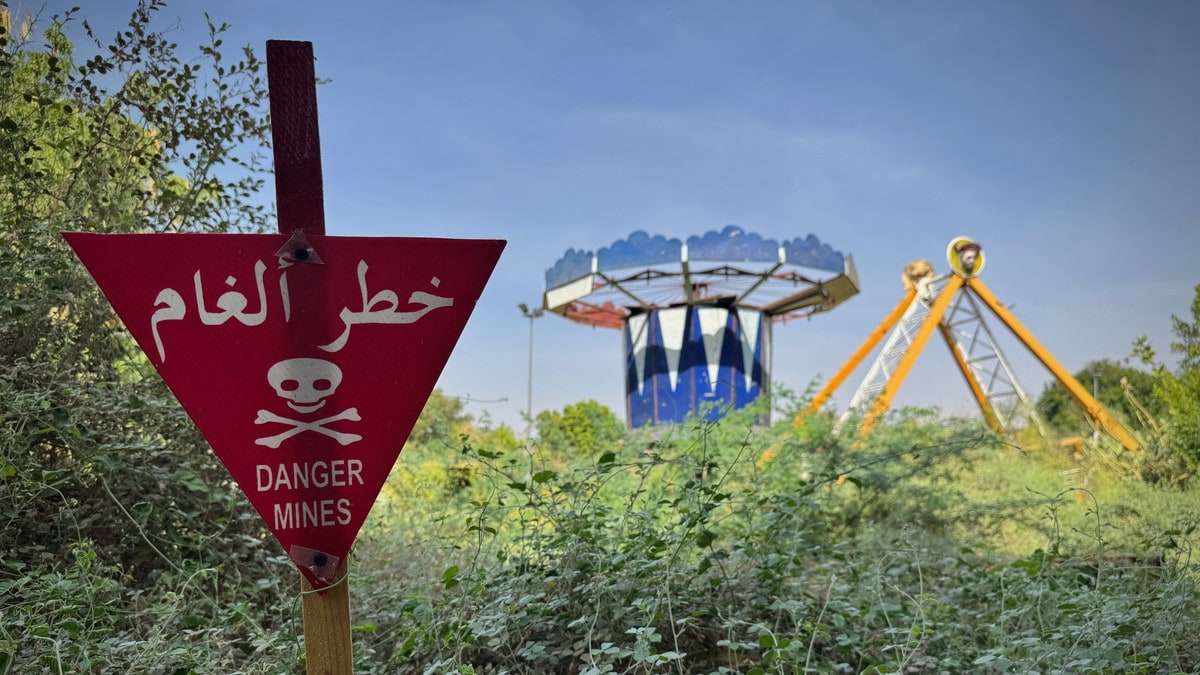
Deminers are clearing a family park at the confluence of the Blue and White Nile that was turned into a minefield during urban warfare between the Sudanese Armed Forces and Rapid Support Forces. [2] The park lies at the point where the Blue Nile and White Nile meet and change name to the Nile. [2] Al Mogran is known as a green and pleasant park for small-child families. [2] Most people in Khartoum have a relationship with this place. [2] Now this oasis has been turned into a minefield. [2] Miners in blue protective suits with thick plexiglass hanging in front of their faces creep forward centimetre by centimetre on their knees. [2] Even in the shade it is 44 degrees Celsius. [2] Inside the protective suit it is even hotter. [2] Hussein Ismail Salam is the leader of one of the demining groups in Khartoum. [2] Some places require going slowly, and several safety measures are needed. [2] He guesses that the whole job will take more than ten years. [2] The work must be done thoroughly because it is done for the people. [2] The family park along the Nile has been a priority in the demining work. [2] Miners hope to be finished and ready for other assignments by the end of June. [2] The goal is that children, small-child parents and young newly-in-love couples can soon return here as before the war. [2] Many of Khartoum's people have been here to buy soda in what is now a burnt-out kiosk, bathed in the bone-dry pool and become slightly nauseous on the rusty carousel. [2] Or they have been here as young people listening to musicians on the stage with the destroyed floor, or eaten dinner at sunset at the overgrown restaurant. [2] Salam remembers when they were children they came here to play, and most around him express that they have the same memories. [2] A dried-up swimming pool and a carousel bear witness to better times. [2] More than 70 percent of the city still needs checks for explosives. [2] The city is enormous, and the cleanup has really only just started. [2] It is very tough. [2] People want to come back, but many of the houses can have explosives inside. [2] In Al-Mogran park alone, Jasmar and partners from the Danish Refugee Council have found 12,000 pieces of explosive parts, and 164 dangerous objects have been rendered harmless. [2] The park is extra exposed because it was on the front line in the war, and RSF placed mines to make it dangerous for the enemy to approach. [2] The Norwegian embassy is located in one of the areas with great danger of unexploded explosives. [2] Several deaths have occurred right up until recently. [2] The mine danger in Al-Mugran park became known when two SAF soldiers triggered a mine without knowing it. [2] There have been several accidents. [2] Just last month there were more than five-six accidents. [2] Most are young people under 16, because they know too little about the danger. [2] In May this year UNMAS said that so far this year 25 Sudanese have died and 52 have been injured by mines and unexploded explosives. [2] They believe the dark figures are large. [2] The deminers also talk about the dangers in radio programmes, podcasts and at markets. [2] Text messages are also sent out to get people to understand that they must be careful when moving around the city. [2] The Sudanese army has control and is trying to get people back to contribute to getting everyday life back. [2] An estimated 1.8 million of the around nine million who lived in the capital region have come home again. [2] But is it really so safe for them? [2] Demining is about saving lives, but also about contributing to regaining the everyday life that people so much want in Khartoum. [2] The minerydding organisations receive support from the Sudan Humanitarian Fund, a fund organised by the UN, with Norway as one of the largest contributors. [2]
Israeli settlers destroyed Finland-funded schools in the occupied West Bank. — Source: nrk
Ukrainian Forces Repel Russian Motorcycle Assault at Mala Tokmachka
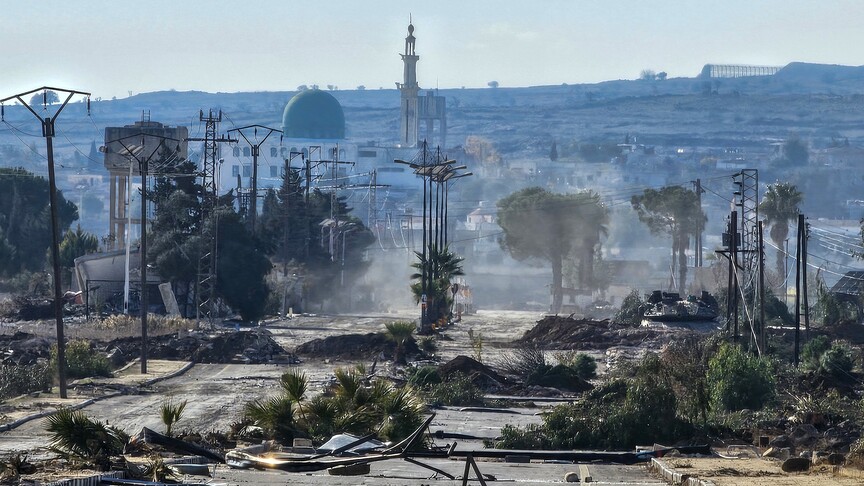
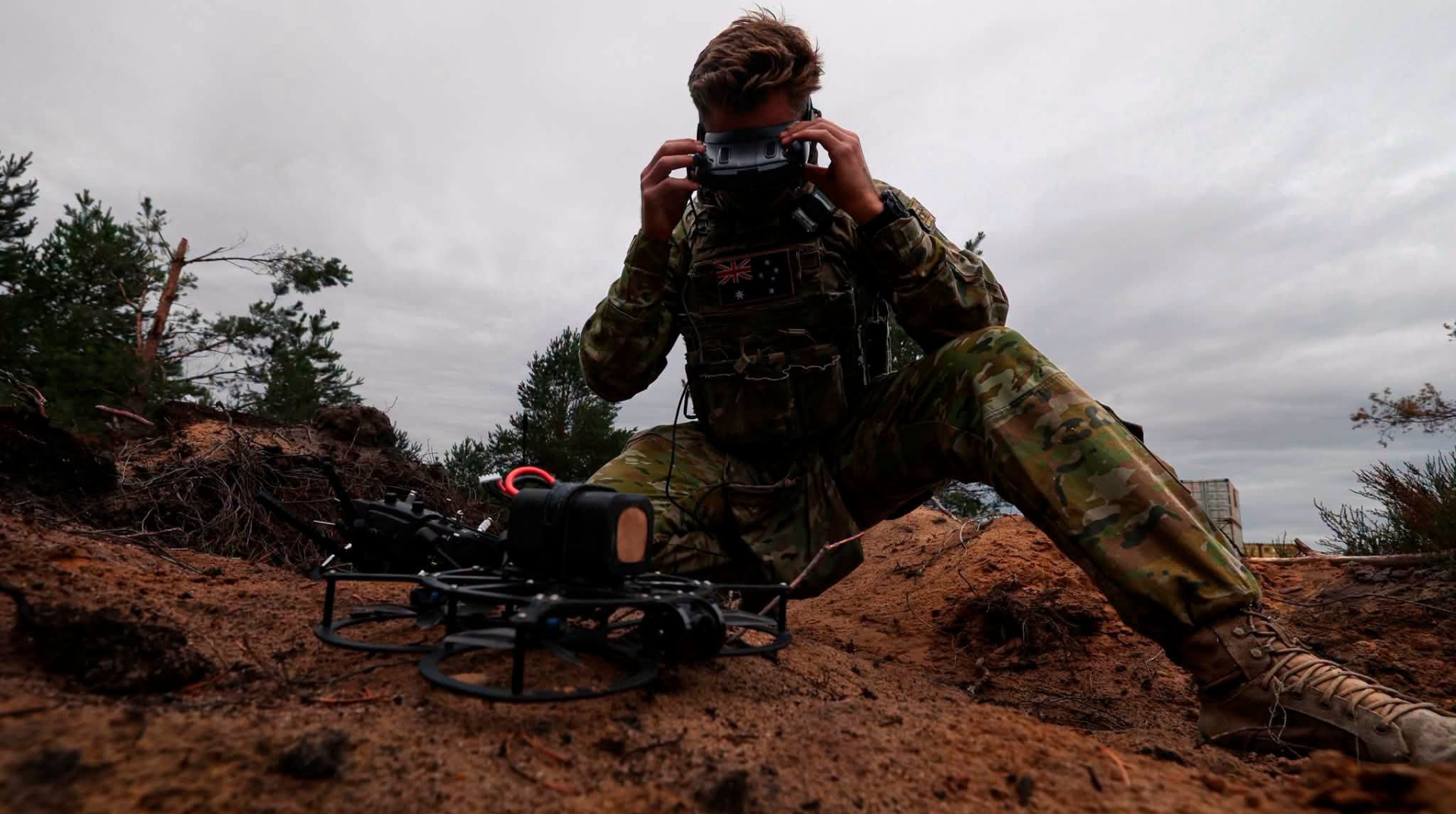
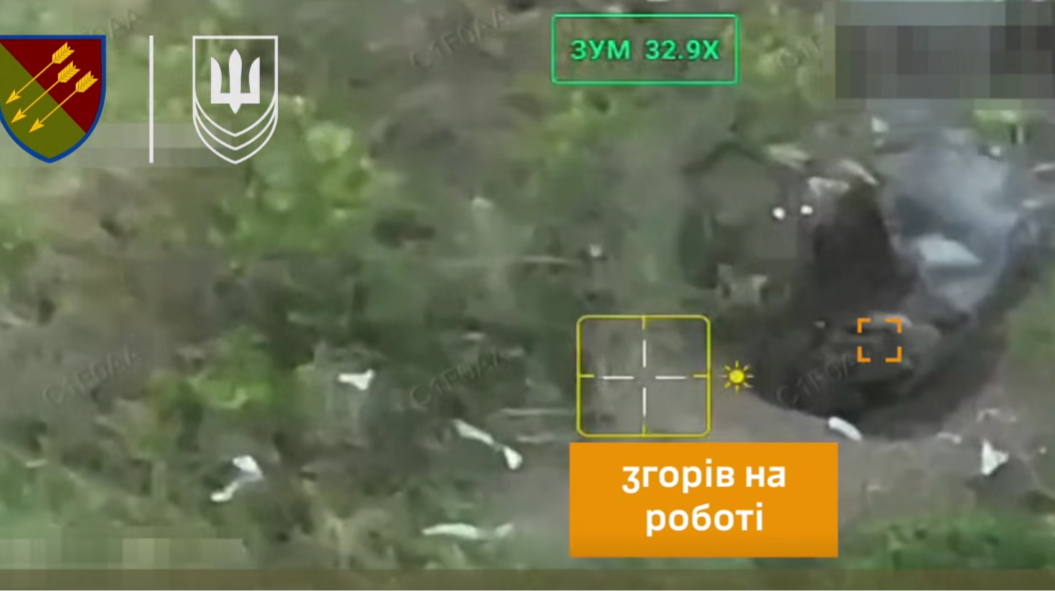
Ukrainian forces repelled a Russian motorcycle assault on Mala Tokmachka in Zaporizhzhia using over 30 motorcycles fitted with mine-clearing ploughs and electronic warfare systems, killing 26 Russian troops and destroying more than 20 motorcycles without sustaining casualties. [3] Fighters of Ukraine's 118th Separate Mechanised Brigade, together with adjacent units, have repelled a mechanised assault by Russian forces on the village of Mala Tokmachka in Zaporizhzhia Oblast. [3] The brigade reported that the Russian forces launched an unsuccessful assault on Mala Tokmachka using a composite motorcycle platoon. [3] Despite changing tactics and employing technical innovations, the Russians were defeated before they reached the settlement, which Russian propaganda has claimed for the past year and a half to be under Russian control. [3] Several Russian motorised rifle regiments and brigades sent their troops into the assault at an unusual time. [3] Instead of attacking at dawn or dusk, the assault began at 18:00 on 16 June, in broad daylight and with full visibility. [3] In an effort to maximise their chances of breaking into Mala Tokmachka, the Russian forces deployed more than 30 motorcycles advancing along three separate routes. [3] The assault also featured several innovations: some of the motorcycles were fitted with special plough-like devices designed to clear minefields; several motorcycles were equipped with mobile electronic warfare systems. [3] However, neither the change in timing nor the technical modifications helped the Russians. [3] Over the course of several hours, soldiers of the 118th Brigade and attached units reportedly killed 26 Russian assault troops. [3] More than 10 others were wounded and left behind, with Russian forces making no attempt to evacuate them, the brigade said. [3] The Ukrainian troops also destroyed over 20 motorcycles and up to 10 all-terrain vehicles. [3] All of this occurred before the Russian forces reached the settlement itself. [3] The brigade reported no casualties among its own personnel. [3] Mala Tokmachka has been holding out for more than 1,500 days. [3]
NATO Assessment of Ukrainian Strikes Inside Russia
NATO assesses that Ukrainian long-range strikes inside Russia are disrupting logistics, damaging energy infrastructure, disabling air defences and contributing to losses of over 130 logistics vehicles in May alone. [4] NATO believes that Ukrainian strikes inside Russia are having an increasingly significant impact on Moscow's ability to wage war by disrupting logistics, disabling air defence systems and damaging energy infrastructure. [4] A senior NATO official speaking to journalists said Ukraine's campaign of strikes inside Russian territory is disrupting logistics, damaging energy infrastructure, disabling air defence systems and radar stations, undermining Moscow's ability to sustain offensive operations and fuelling discontent within Russian society. [4] Ukraine has significantly increased its long-range drone campaign against energy infrastructure deep inside Russia. [4] Ukrainian forces are capable of striking Russian logistical transport assets at distances of up to 200 km behind the front line, which could contribute to successful local Ukrainian counteroffensives. [4] Ukraine is now capable of inflicting substantial losses on Russian logistics depots, air defence systems and energy infrastructure both in the occupied territories and in Russia's border areas. [4] In May alone, over 130 logistics support vehicles were likely destroyed by Ukrainian drones. [4] NATO believes that Russia has not abandoned its objectives in the war against Ukraine despite having lost more than 1.4 million soldiers. [4]
Israeli settlers destroyed Finnish-funded schools in the occupied West Bank. — Source: ukrainskapravda
Humanitarian Access Challenges Amid Violence in DRC, Lebanon and Palestinian Territories
In the Democratic Republic of the Congo, escalating violence and threats against aid workers have restricted operations in South Kivu and Ituri, where an Ebola outbreak has reached 837 cases, while in the occupied Palestinian territory approval processes and settler violence continue to hamper aid delivery. [5] Escalating violence and threats against aid workers continue to hamstring life-saving operations in the eastern provinces of the Democratic Republic of the Congo. [5] In the province of South Kivu, access remains heavily restricted in several areas as fighting continues to force civilians to flee. [5] Nearly 20,000 people were forced to flee their homes on 15 June, following clashes in the Mwenga and Shabunda territories. [5] These displaced families need food, shelter, healthcare, safe drinking water and protection. [5] Meanwhile, in Fizi territory, humanitarian access also remains under pressure, as repeated interference by armed groups continues to threaten the delivery of life-saving assistance and the safety of humanitarian workers. [5] Between January and May of this year, at least 57 incidents directly affecting humanitarians were recorded in the province of South Kivu alone, including threats against staff, interference in aid delivery, and movement restrictions. [5] In Ituri province, five Ebola response workers were briefly detained by armed groups. [5] Ituri remains the epicentre of the outbreak, accounting for more than 90 per cent of all confirmed cases. [5] According to health authorities, as of 15 June, 29 new confirmed cases were reported, bringing the total number of cases to 837 across the provinces of Ituri, North Kivu, and South Kivu. [5] Despite these immense challenges, the UN and its humanitarian partners continue to support national authorities in containing the outbreak and deliver assistance. [5] Humanitarian personnel cannot operate safely without security guarantees. [5] The UN reiterates its call on all parties to protect civilians and ensure safe, rapid and unhindered access to those in need. [5] More families are returning to communities amid high humanitarian needs in Lebanon. [5] OCHA reports that more people are returning to southern Lebanon. [5] Many are going back with the hope of staying in their communities, even as they face ongoing insecurity, widespread destruction and limited access to basic services. [5] In Nabatieh Governorate, more than 4,000 families reportedly returned between 12 June and yesterday. [5] And in the municipality of Srifa, in South Governorate, two collective shelters opened this week to support people who have returned to the area. [5] However, many families remain unable to go back to their homes because of ongoing fighting and the threat posed by unexploded ordnance. [5] OCHA warns that humanitarian needs remain high. [5] According to UNICEF, more than 770,000 children are experiencing heightened distress after repeated exposure to violence, loss and displacement. [5] The UN continues to call for the protection of civilians and for returns to be safe, voluntary and informed, with sustained humanitarian access and assistance for those who need it. [5]
Broader Implications for Global Humanitarian Coordination
The UN relief chief warns of widening gap between humanitarian need and ability to act. [5] Today marked the start of the Economic and Social Council Humanitarian Affairs Segment. [5] The three-day annual event brings together Member States, the UN system, humanitarian and development partners, as well as the private sector, to discuss challenges and opportunities to strengthen the coordination and effectiveness of the UN’s humanitarian work. [5] Speaking at the opening, Tom Fletcher, the Under-Secretary-General for Humanitarian Affairs, warned that in a changing world, with the humanitarian mission often contested, aid organizations not only face a gap between growing needs and shrinking funding, but between needs and the very ability to deliver. [5] He stressed that respect for international humanitarian law and the protection of aid workers are indispensable to humanitarian action. [5] The future of humanitarian action will not be decided by humanitarians alone. [5] Fletcher called on Member States, parties to conflict, donors, development partners and the private sector to play their part. [5]
What to watch next: respect for international humanitarian law and the protection of aid workers remain indispensable as the gap widens between needs and the ability to deliver across multiple conflicts.