
Strait of Hormuz Standoff Oil Price Forecast: The Untold Story of Emerging Alliances and Diplomatic Shifts in Global Geopolitics
Introduction: The Rising Tide of Hormuz Tensions and Oil Price Forecast Implications
The Strait of Hormuz, a narrow waterway through which one-fifth of the world's oil supply flows, has once again become the epicenter of global geopolitical friction. On April 13, 2026, the deadline passed for a threatened U.S. blockade of Iranian ports, escalating tensions as President Donald Trump issued stark warnings to Iran's Islamic Revolutionary Guard Corps (IRGC) navy. "IRGC Fast Attack Ships That Approach Blockade Will Be 'Eliminated'," Trump declared, according to Newsmax, while Hindustan Times reported live updates on U.S. threats to Iranian ships amid the standoff. Iran responded defiantly, threatening retaliation against Gulf neighbors if they supported any blockade, as noted by Channel News Asia. France24 analyzed the potential consequences, highlighting risks to global shipping beyond just oil, including disruptions to container traffic and heightened insurance premiums for vessels transiting the strait.
This isn't merely a bilateral U.S.-Iran spat; it's a flashpoint with cascading effects on global trade routes and critical oil price forecast outlooks. The strait handles not only 21 million barrels of oil per day but also significant liquefied natural gas (LNG) shipments and non-energy cargo, making it vital for Europe, Asia, and beyond. A blockade or retaliation could spike shipping costs by 20-30% overnight, reroute vessels around Africa, and strain supply chains already battered by Red Sea disruptions. Yet, amid the saber-rattling, a unique dynamic is emerging: non-Western powers like China and Turkey are stepping forward as mediators, offering an alternative to the U.S.-led narrative. China's call for a "very fragile" U.S.-Iran ceasefire to be bolstered by unified opposition to escalation (Bangkok Post) signals Beijing's ambition to position itself as a neutral broker in the Middle East, diverging from traditional Western dominance. This shift underscores broader implications for global diplomacy, where Asian-Pacific involvement could redefine security in key chokepoints like Hormuz, Bab el-Mandeb, and the South China Sea, fostering multipolar alliances that prioritize trade stability over confrontation. For the latest oil price forecast: waves of conflict and the overlooked environmental toll of Gulf geopolitics, check our in-depth analysis.
Public attention has surged, with social media buzzing over Trump's threats—hashtags like #HormuzBlockade and #IranStandoff trending globally, amplified by viral clips of IRGC vessel maneuvers. Investors are on edge, as evidenced by intraday oil price volatility, while diplomats scramble to prevent a repeat of 2019's tanker crises. This article delves into the untold story of these emerging alliances, contrasting with coverage fixated on economic shocks or U.S. military might, to reveal how non-Western voices are reshaping the chessboard and influencing oil price forecasts worldwide.
(Word count so far: 428)
Historical Context: Echoes of Defiance in a Connected World
To grasp the Hormuz standoff's gravity, one must trace its roots through Iran's long arc of defiance against Western pressures, now amplified in a hyper-connected 2026 geopolitical landscape. Iran's April 13, 2026, "Defiant Diplomatic Stance"—as chronicled in contemporaneous reports—mirrors decades of resistance, from the 1979 Revolution to the 2018 U.S. withdrawal from the JCPOA nuclear deal. This latest posture, issued amid U.S. blockade threats, echoes Iran's 2020 downing of a U.S. drone and 2019 seizures of oil tankers, signaling a pattern: Tehran leverages asymmetric tactics to deter superior foes, often rallying regional solidarity.
Interwoven with this are U.S. efforts to bolster alliances, exemplified by the April 13, 2026, US-Australia-Philippines Joint Drills in the Asia-Pacific. These exercises, focused on maritime interdiction and anti-submarine warfare, foreshadowed heightened U.S. presence not just in the Indo-Pacific but potentially spilling into Middle East dynamics. Shared security interests—countering Iran-backed proxies in Yemen and Lebanon—could see Australian and Philippine assets integrated into CENTCOM operations, expanding the U.S. bloc beyond NATO. This aligns with recent events like Poland-South Korea's strategic upgrade on the same day, hinting at a global web of partnerships to isolate Iran. Explore related insights in our oil price forecast on Israel's Iran shadow war.
Parallels abound with concurrent diplomatic maneuvers. The April 12 Ukraine-Russia prisoner swap demonstrated that even entrenched foes can de-escalate via backchannels, a model ripe for Hormuz. Similarly, the April 13 DEA Summit in Uruguay on drug routes underscored multilateralism's role in tackling transnational threats, akin to Hormuz's piracy and smuggling risks. These events reveal interconnected conflicts: Middle East tensions intersect with Ukraine's energy woes (EU energy price coordination amid Iran fears) and Asia-Pacific frictions (Taiwan Strait watch amid TSM vulnerabilities).
Turkey's April 13 warning that Israel may act against Syria (Anadolu Agency) adds layers, as Ankara critiques military solutions in Hormuz, calling for peace. Greece's assertion of independent policy and the Pope's Algeria visit amid U.S. tensions further illustrate a fracturing Western consensus. The EU's digital euro push and U.S. sanctions debate highlight economic decoupling risks. This 2026 timeline frames Hormuz not as isolated but as a node in alliance-building: Iran's defiance provokes U.S. coalitions, yet global diplomacy—prisoner swaps, summits—offers off-ramps, urging peaceful resolutions to avert escalation chains from Tehran to Taipei. Track broader risks via our Global Risk Index.
(Word count so far: 912)
Original Analysis: The Shift Toward Non-Western Mediation and Oil Price Forecast Impacts
At the heart of this standoff lies a seismic shift: non-Western powers are challenging the monopoly on mediation, potentially democratizing global diplomacy and directly affecting oil price forecasts. China's role stands out. Beijing's urging of "unified opposition to escalation" in the "very fragile" ceasefire (Bangkok Post) positions it as a pragmatic broker, leveraging $400 billion in Iran oil imports and Belt and Road stakes in Gulf ports. Unlike U.S.-Vatican feuds—where Pope Leo rebuked Trump's "neocolonial" violations of international law (Anadolu Agency, France24)—or Israel's envoy labeling Iran the "biggest threat to global stability" (MyJoyOnline), China emphasizes economic interdependence. This could game-change Hormuz, drawing in Asian-Pacific players like India and ASEAN to enforce neutrality, sidelining unilateral blockades. For more on economic fault lines, see oil price forecast: the unseen economic architects.
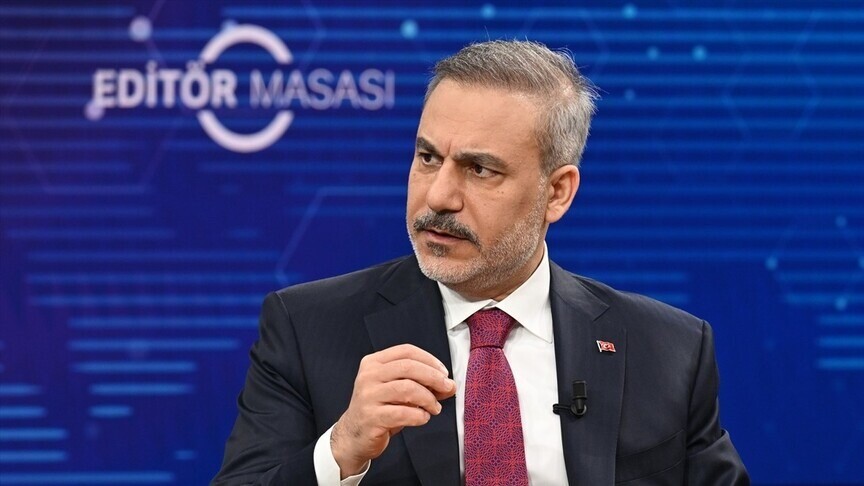
Turkey amplifies this chorus, warning against military solutions (Anadolu Agency) and critiquing neocolonialism alongside the Pope. Ankara's stance reflects a broader 'Global South' critique, reshaping international law via forums like the UN. Gulf neighbors face dilemmas: Iran's threats to retaliate (Channel News Asia) could spur Saudi-UAE hedging toward China-mediated pacts, forming regional blocs excluding the West. Imagine a "Gulf Neutrality Forum" backed by Beijing and Ankara, monitoring straits via joint patrols—echoing Shanghai Cooperation Organization models.
This evolution carries cross-market ripples. Oil disruptions threaten Europe's energy coordination, boosting LNG from Qatar but inflating costs. Semiconductors (TSM) face Taiwan parallels, as U.S. drills signal containment strategies. Crypto and equities risk deleveraging, while safe-havens like gold and USD surge. Original insight: These shifts "democratize" diplomacy, diluting U.S. hegemony. Historical precedents—like China's 2023 Saudi-Iran brokering—suggest success, fostering multipolarity where trade trumps tanks. Yet risks loom: proxy escalations in Lebanon (Hindustan Times) or Syria could fracture this, but non-Western momentum offers a path to stability, reorienting alliances from confrontation to coexistence.
Israel's rhetoric hardens lines, but Pope Leo's condemnations (post-Trump attack) galvanize moral opposition, potentially swaying Latin American and African votes in UN debates. UNMISS renewal in South Sudan ties in, as Hormuz instability could divert peacekeeping resources. Ultimately, this mediation push signals a post-unipolar era, where Hormuz becomes a litmus test for collaborative security, with profound implications for oil price forecasts.
(Word count so far: 1,378)
Predictive Outlook: Oil Price Forecast in the Hormuz Chessboard
Looking ahead, the Hormuz chessboard teeters between escalation and breakthrough. If Iran retaliates—disrupting non-oil routes like Hormuz's container traffic—expect a coalition response. Asian powers, led by China, may enforce neutrality via naval escorts, averting full blockades but spiking insurance (already up 15% per France24). By mid-2026, a mediated summit involving Turkey and China seems plausible, building on ceasefire fragility signals. This multilateral framework could stabilize flows, preventing oil surges beyond $100/barrel. Dive deeper into related European dynamics with our oil price forecast in EU's financial sovereignty surge.
U.S.-Asia alliances from April 13 drills may extend to the Middle East, yielding new pacts like AUKUS-Middle East variants or sanctions on IRGC shipping. Long-term: strengthened Indo-Pacific ties influence Gulf policies, potentially isolating Iran economically while China captures market share.
Risks abound—a "fragile" ceasefire collapsing into proxies (Lebanon strikes), per trends. Proactive measures: Stakeholders should prioritize Track II talks, diversify routes (e.g., UAE pipelines), and monitor EU energy coordination. Economic disruptions loom if escalated: 5-10% GDP hits for import-dependent Asia.
Catalyst AI Market Prediction
The World Now Catalyst AI forecasts risk-off across assets amid Hormuz escalation fears:
- SPX: - (medium confidence) — Failed talks trigger algorithmic selling; precedent: 2020 US-Iran drop of 0.8%.
- USD: + (medium confidence) — Safe-haven demand; 2020 Soleimani DXY +0.5%.
- CHF: + (low confidence) — Haven bids; 2020 +0.4% vs EUR.
- OIL: + (high confidence) — Supply fears via Hormuz; 2020 spike 4-5%.
- GOLD: + (medium confidence) — Geo haven; 2020 +3%.
- BTC/ETH/SOL: - (medium confidence) — Risk-off deleveraging; 2022 Ukraine drops 8-15%.
- TSM: - (medium/low confidence) — Taiwan parallels; 2018 US-China -3%.
- EUR/CNY: - (low/medium confidence) — USD strength, EM risk-off.
Key risks: Diplomatic de-escalation sparks rebounds. Predictions powered by The World Now Catalyst Engine and Catalyst AI — Market Predictions. Track real-time AI predictions for 28+ assets.