Geopolitics Iran advances as mediators circulate draft truce and $300 billion investment memorandum
Developments in geopolitics iran continue to unfold through mediated channels as fresh negotiations advance on a draft memorandum designed to address the ongoing conflict between the United States and Iran.
Draft Memorandum Under Discussion
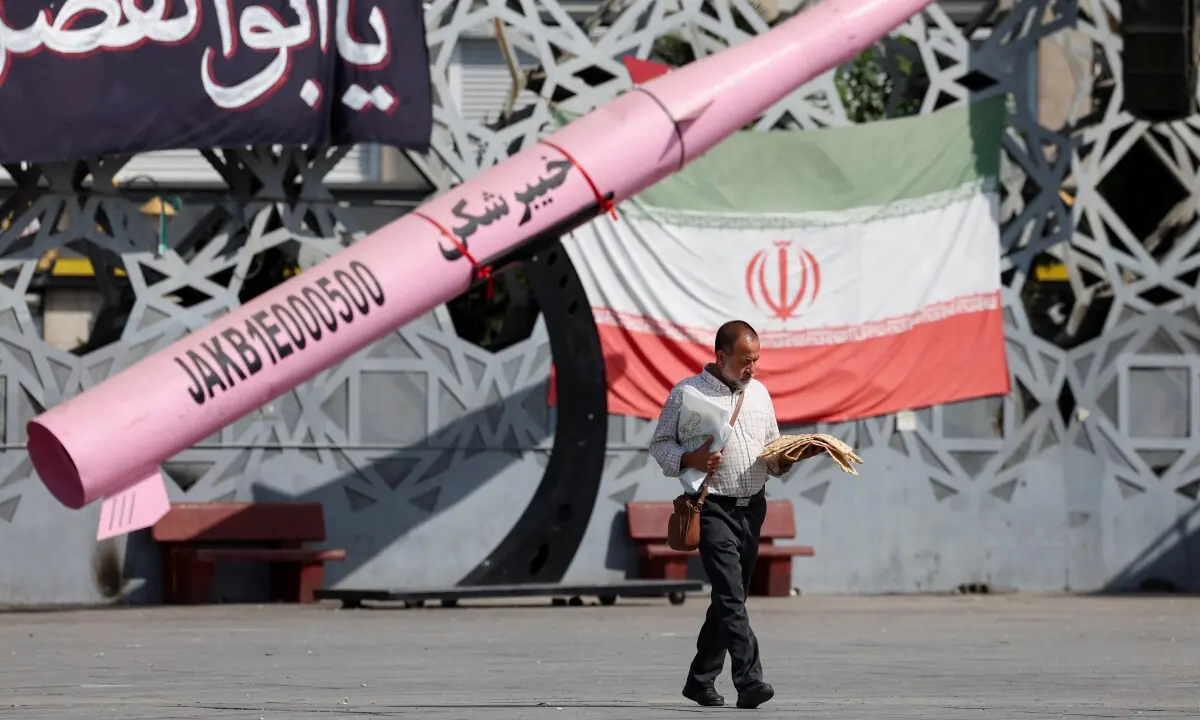
Mediators are facilitating US-Iran negotiations on a draft memorandum that includes a truce, $300 billion reconstruction package, and arrangements for the Strait of Hormuz. The proposed agreement would extend a current ceasefire while deferring nuclear talks. According to reporting, the framework centers on a multi-billion dollar reconstruction package for Iran's economy alongside a temporary non-aggression arrangement [2]. This structure allows both sides to address immediate hostilities without immediately confronting more contentious nuclear issues. The inclusion of Hormuz provisions within the memorandum aims to stabilize shipping routes that have been threatened during the conflict. Sources familiar with the talks indicate that the $300 billion investment component is intended to support Iran's economic recovery as part of the broader truce terms [5]. Such terms reflect an effort to create a phased approach where economic incentives accompany security arrangements.
Geopolitics Iran Hormuz and Naval Threats
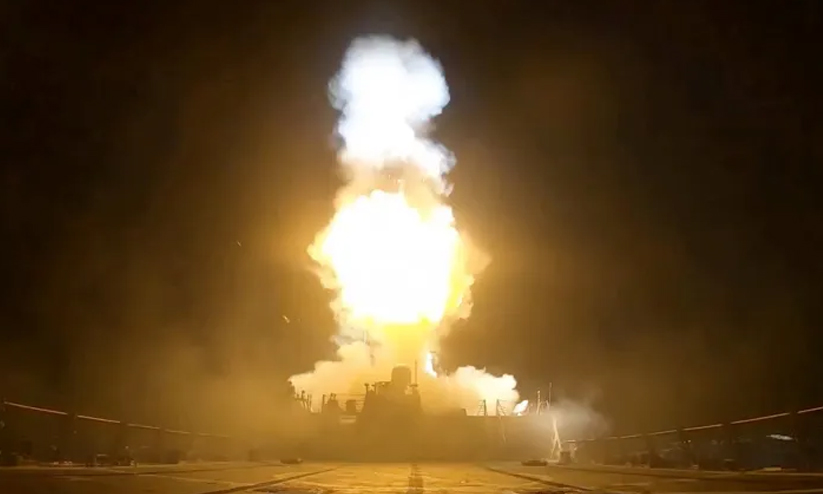
Iranian threats to close the Strait of Hormuz involve kamikaze boats armed with rockets and missiles. These small, fast vessels function like drones but operate on water, making them difficult to target despite US efforts to neutralize Iran's conventional navy [3]. The mosquito boats remain a significant menace because of their speed and ability to carry rockets and missiles that could endanger massive commercial ships transiting the vital waterway. In the context of the draft memorandum, arrangements for the Strait of Hormuz seek to mitigate these risks by establishing temporary non-aggression measures. The combination of these naval capabilities with ongoing diplomatic efforts underscores the high stakes involved in securing safe passage for global energy shipments.
Pressures on US Leadership
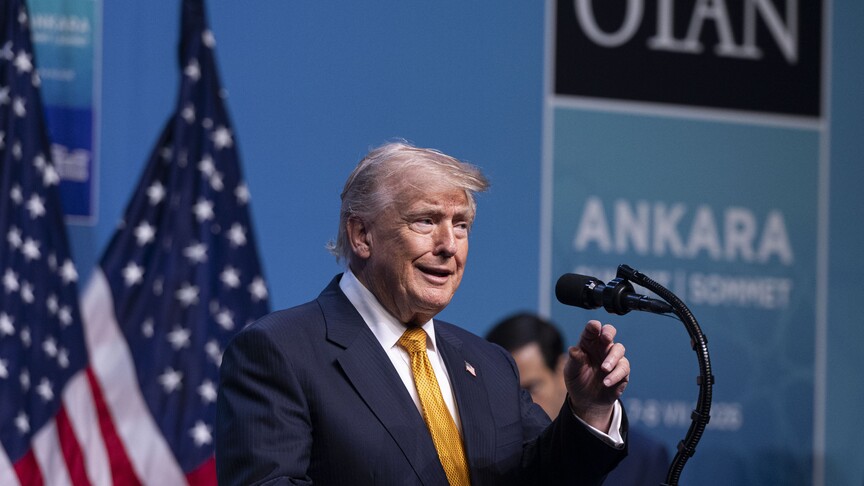
US President Trump faces pressure to reopen Hormuz and lower gasoline prices alongside potential backlash from Iran hawks. The emerging framework deal would extend a current ceasefire, yet Trump finds himself in a narrowing room to maneuver as he balances domestic economic concerns with political constraints from within his own party [5]. Any concessions to Tehran risk drawing criticism from Iran hawks, while failure to restore Hormuz access could sustain elevated gasoline prices. This dilemma has become evident during a week of intensive diplomacy surrounding the proposed memorandum. The dual pressures highlight the challenges of translating the draft terms into a workable agreement that satisfies multiple stakeholders.
Attribution of Cyberattack
An Iranian intelligence ministry-linked group is attributed to a cyberattack on LA public transport by an Israeli firm. The incident has been traced to actors connected with Iran's intelligence ministry, according to findings released by the Israeli firm [1]. This attribution adds another layer to the broader conflict environment in which the US-Iran negotiations are taking place. The cyber dimension illustrates how non-kinetic actions continue alongside diplomatic and naval developments.
Regional Economic Context
Acknowledging the impact of the West Asia crisis, the RBI has said that several factors will help India counter the negative effects and emerge strong [4]. Indian authorities have expressed confidence in domestic resilience despite the disruptions stemming from the US-Iran conflict. This assessment points to underlying economic buffers that may limit spillover effects on India's financial system and trade routes.
What to watch next: Further rounds of mediated talks on the draft memorandum, potential adjustments to Hormuz access terms, and any additional attributions related to cyber incidents involving Iranian actors.