
Geopolitics Iran: US officials confirm tentative agreement pending Trump approval
In geopolitics iran, US officials state that a tentative agreement has been reached with Iran, though President Trump must still sign off on it. This development comes amid ongoing diplomatic efforts to manage the conflict, with the framework centered on extending an existing ceasefire while addressing access through the Strait of Hormuz under pressure from rising US gasoline prices.
Geopolitics Iran: Tentative US-Iran agreement reported
US officials have confirmed that a tentative agreement has been reached with Iran, although the deal still requires President Trump’s approval before it can move forward. [5] The announcement reflects progress in high-level talks, yet it stops short of a finalized pact. Vice President JD Vance emphasized that the United States and Iran are very close to a deal but not there yet, noting that several sticking points remain unresolved. [4] These points must be addressed before any formal signing can occur.
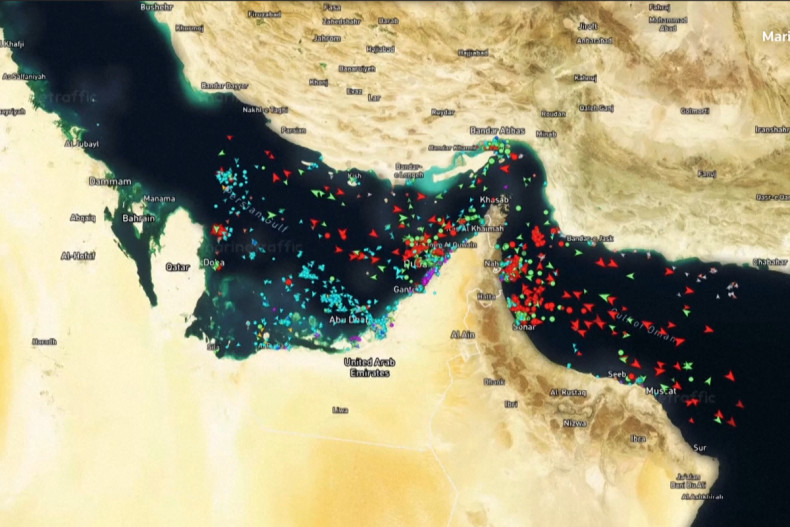
The emerging framework centers on extending the current ceasefire and reopening the Strait of Hormuz. Sources indicate that the deal would directly respond to economic pressures on US gasoline prices stemming from the closure of the vital waterway. [2] Officials have described the status as an agreement in principle that still needs final political clearance from the White House. This measured progress underscores the delicate balance between diplomatic momentum and the need to satisfy remaining conditions on both sides.
Further statements from the administration highlight that the tentative understanding builds on recent diplomatic exchanges. While the core elements appear aligned, the requirement for President Trump’s sign-off introduces an additional layer of review. [5] The process illustrates how close the parties have come while leaving room for last-minute adjustments on unresolved issues.
Trump faces narrowing options on deal
President Trump finds himself in a bind as he seeks to end the conflict with Iran. He faces simultaneous pressure to reopen the Strait of Hormuz and lower US gasoline prices, yet he must also contend with potential backlash from Iran hawks within his own party over any concessions to Tehran. [2] This combination of economic urgency and political constraints has narrowed his room to maneuver during the final stages of negotiations.
The emerging framework deal would extend the current ceasefire and reopen the Strait of Hormuz, measures that directly address gasoline price pressures. At the same time, any perceived concessions risk drawing criticism from hardline voices in the Republican Party. [2] The dilemma became evident during a week of intensive diplomacy, where word of the framework surfaced alongside clear limits on how far the administration can go without triggering internal opposition.
These constraints mean that the president must weigh immediate economic relief against longer-term political costs. The sources familiar with the matter indicate that the framework remains conditional on final approval, leaving the ultimate decision in Trump’s hands. [2] Observers note that the narrowing options reflect both external demands from energy markets and domestic party dynamics that could shape the outcome.
Pakistan engages US on peace efforts
Pakistan Deputy Prime Minister and Foreign Minister Ishaq Dar arrived in Washington to meet US Secretary of State and National Security Adviser Marco Rubio. [3] The visit occurs as Islamabad seeks to negotiate a peace pact to end the US-Israeli war with Iran. Dar reached the capital after a three-day visit to New York for related meetings, signaling Islamabad’s active role in the broader diplomatic process.
The timing aligns with statements from Vice President JD Vance that the United States and Iran are close to a deal but not there yet. [3] Pakistan’s engagement through high-level talks with Rubio underscores efforts to support a ceasefire extension and related regional stability measures. The Foreign Office confirmed the arrival and the scheduled discussions, tying them explicitly to the ongoing Iran negotiations.
This diplomatic outreach positions Pakistan as a participant in efforts to secure a lasting agreement. By meeting directly with the US Secretary of State, Dar aims to advance Islamabad’s objectives within the framework of the emerging deal. [3] The development adds another layer to the multilateral diplomacy surrounding the tentative US-Iran understanding.
India assesses economic resilience
The Reserve Bank of India has acknowledged the impact of the West Asia crisis on the Indian economy while expressing confidence that domestic factors will help counter negative effects. [1] Officials noted that several internal strengths position India to emerge strong despite external pressures linked to the conflict. The RBI’s assessment focuses on resilience built through recent policy measures and economic fundamentals.
This outlook comes as the broader region navigates the tentative framework between the United States and Iran. The central bank’s statements emphasize that domestic demand, financial sector stability, and other internal buffers can mitigate fallout from the West Asia situation. [1] By highlighting these factors, the RBI signals measured optimism about India’s ability to manage the crisis without major disruption.
The acknowledgment of potential effects paired with confidence in countervailing strengths reflects a balanced institutional view. Indian policymakers continue to monitor developments tied to the Strait of Hormuz and related energy markets while relying on homegrown resilience. [1] This approach allows India to track external risks without altering its core economic trajectory.
What to watch next: Further updates on whether President Trump signs off on the tentative agreement, any progress on the remaining sticking points noted