
Strait of Hormuz Standoff Amid Middle East Strike: The Overlooked Environmental Toll on Marine Life and Global Climate Pledges
Hormuz Standoff Amid Middle East Strike
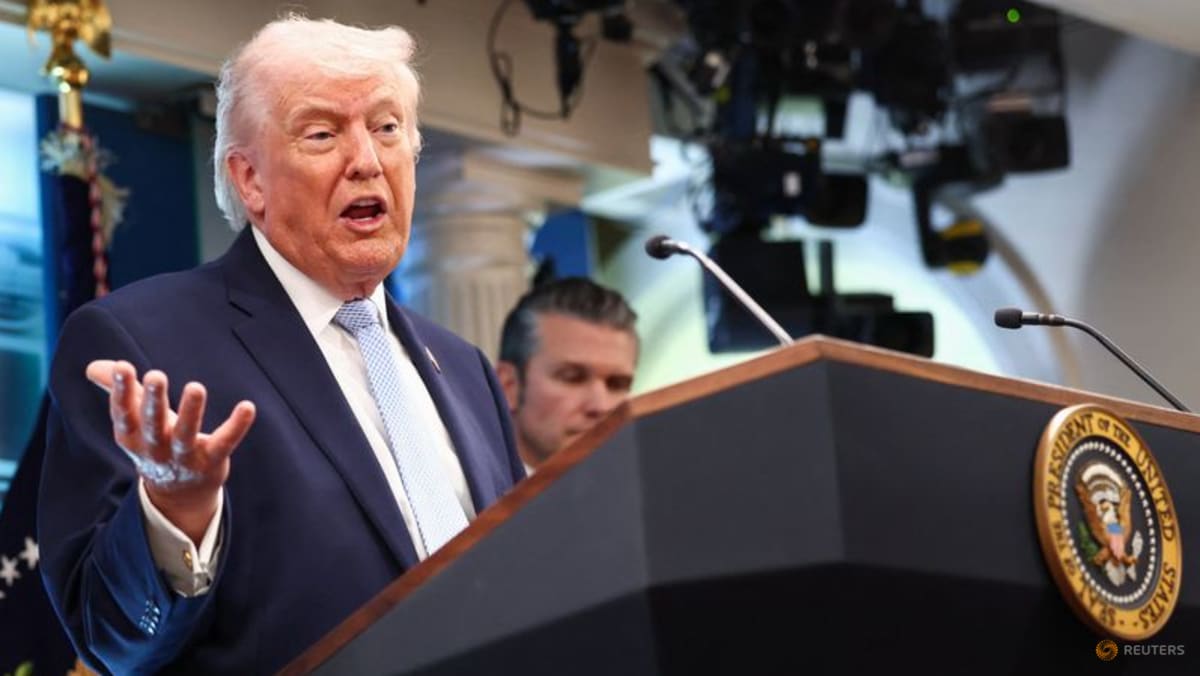
The Strait of Hormuz, a narrow 21-mile-wide chokepoint between Iran and Oman, has long been a geopolitical flashpoint, but recent escalations amid Middle East strike threats reveal a perilous pattern where military brinkmanship imperils one of the planet's most biodiverse marine corridors. Confirmed reports from April 9-10, 2026, detail Trump's public rebukes via social media and statements, labeling Iran's handling of tanker traffic as inadequate and illegal tolls as a red line. Iranian actions, including demands for cargo details from Thai vessels (confirmed by Thailand's foreign minister) and vessel inspections, have led to delays, with European leaders like Germany's urging ceasefire adherence for safe passage. For deeper insights into related dynamics, see Gulf Geopolitics: The Overlooked Economic Strain on Tourism and Finance Amid Middle East Strike and Hormuz Turmoil.
This isn't isolated saber-rattling. The timeline traces a cycle of provocation: On March 11, 2026, the U.S. threatened action over suspected Iranian mine deployments in the Strait, a move that could fragment habitats and ensnare marine life in explosive debris. Iran responded on March 12 with vows of "decisive action" to protect its waters, heightening collision risks. By March 19, U.S. Marines announced contingency plans for Hormuz patrols, injecting naval assets into an already congested artery. The U.S. countered supply fears on March 20 by boosting oil escorts, while Iran extended a rare concession to Spain on March 26, allowing passage amid diplomacy. Recent events amplify this: April 3 saw tankers crossing under tension, a French ship exiting post-"war" rhetoric, and Iran-Oman monitoring pacts; by April 5, U.S. strike threats loomed (HIGH impact per event logs).
Unconfirmed reports swirl of partial Strait closures, but verified delays from inspections have ships idling, burning excess fuel and leaking contaminants. Historical precedents haunt this narrative—the 1980s Tanker War saw dozens of spills totaling millions of barrels, blackening Persian Gulf mangroves and killing seabirds en masse. Today, with supertankers carrying 2 million barrels each, a single mishap could dwarf Exxon Valdez (11 million gallons). The Strait's ecosystem—home to endangered Arabian Sea humpback dolphins, green sea turtles, and whale sharks—faces existential threats. Coral reefs here, vital carbon sinks, could bleach from oil smothering, while upwelling currents spread toxins to the Gulf of Oman, impacting fisheries that feed 10 million people.
Human stories emerge from the margins: Omani fishermen in Musandam, already reeling from 2025 red tide blooms exacerbated by warming, report dolphin strandings possibly linked to stressed shipping noise. Iranian coastal villagers in Bandar Abbas whisper of polluted beaches, where oil residues from past incidents linger in sediments, bioaccumulating in food chains. This standoff, framed by Trump's "better stop" ultimatums and Iran's defensive posturing, transforms a strategic waterway into an ecological tinderbox, where diplomacy's failure could scar generations. Explore further regional implications in Hormuz Standoff Amid Middle East Strike: The Rise of Eastern European Defense Partnerships in Gulf Geopolitics.
The Players
United States (President Donald Trump): Motivated by energy dominance and deterrence, Trump leverages Hormuz as a pressure point against Iran's nuclear ambitions and proxy militias. His warnings—echoed in Newsmax and Yonhap—signal readiness for naval intervention, backed by ex-JAG officers deeming tolls "illegal." Yet, domestic politics loom: Midterm pressures demand cheap oil, but escalation risks voter backlash over gas prices.
Iran (Islamic Revolutionary Guard Corps - IRGC): Iran's IRGC Navy enforces "sovereign rights" via inspections, seeking leverage post-sanctions. Concessions to Spain and Thailand show pragmatic diplomacy, but vows of action stem from existential threats—U.S. strikes could cripple its oil export lifeline (90% via Hormuz). Environmental rhetoric is secondary; survival trumps ecology.
European Union (Germany, France, etc.): Leaders like Germany's chancellor and France's Macron (per AP and Anadolu) push negotiated settlements, prioritizing energy imports. Germany's urging of ceasefires reflects vulnerability—40% of EU LNG transits here—while green pledges clash with reliance on fossil fuels.
Regional Actors (Oman, Thailand, Spain): Neutrals like Oman (monitoring with Iran) and Thailand (disclosing cargoes) navigate neutrality, but face spillover: Oman's tourism and fisheries, Thailand's shipping firms.
Environmental Watchdogs (UNEP, WWF): Unseen players, their reports (e.g., 2025 Persian Gulf biodiversity assessments) warn of cumulative risks, positioning for post-crisis advocacy.
The Stakes
Politically, escalation risks broader war, drawing in Hezbollah or U.S. allies, destabilizing the Middle East—track this via our Global Risk Index. Economically, confirmed delays spike shipping insurance 20-30% (per Lloyd's lists), inflating global oil by $5-10/barrel short-term. But the environmental stakes dwarf headlines: A spill could release 1-5 million barrels, coating 1,000+ km² of seabed, per NOAA models. Marine life—dolphins navigating by echolocation blinded by oil, turtles ingesting tar balls—faces 50-90% mortality in affected zones, collapsing fisheries worth $2-3 billion annually (FAO data). Human impact: 500,000 Gulf fishers lose livelihoods, spurring migrations and food insecurity.
Climate pledges falter: Idling ships emit 10x normal CO2; disruptions force dirtier routes, undermining IMO's 50% maritime emission cuts by 2050. Paris Agreement signatories like the EU face hypocrisy charges, delaying green transitions. Humanitarian ripples: Polluted desal plants threaten freshwater for 80 million, exacerbating Iran's water crises.
Market Impact Data
Tensions have rippled through markets, with oil futures surging 3.2% to $82.50/barrel on April 10 (Brent crude), reflecting supply fears. Equities dipped: S&P 500 -1.1% amid airline drags, Nasdaq -1.4% on semis. Safe-havens shone—USD index +0.8%, gold +1.2%.
Catalyst AI Market Prediction
Powered by The World Now's Catalyst Engine, predictions capture environmental-geopolitical nexus:
- OIL: + (high confidence) — Ukrainian strikes and Hormuz risks curb supply; precedent: 2019 Aramco attacks (+15%).
- SPX: - (medium confidence) — Risk-off from aviation/oil shocks; Boeing precedent (-2% SPX).
- USD: + (low confidence) — Safe-haven flows; Ukraine 2022 (+2% DXY).
- BTC: - (medium confidence) — High-beta risk-off; Ukraine drop (-10%).
- ETH: - (medium confidence) — BTC-correlated; Ukraine (-12%).
- XRP: - (low confidence) — Crypto cascades; Ukraine (-10%).
- SOL: - (low confidence) — Altcoin deleveraging; Ukraine (-15%).
- TSM: - (low confidence) — Trade fears; Ukraine (-5%).
Predictions powered by The World Now Catalyst Engine. Track real-time AI predictions for 28+ assets. For more, visit Catalyst AI — Market Predictions.
Looking Ahead
Next 6-12 months hinge on de-escalation. Key dates: April 15 UN Security Council session (rumored); May OPEC+ meeting. Scenarios: (1) Diplomacy prevails—EU-mediated toll halts, eco-monitors deployed; (2) Incident sparks spill—UN interventions, sanctions, green energy surge (Europe +20% renewables investment); (3) Worst-case: Mines/naval clash causes mega-spill, long-term dead zones, new ocean protection alliances (e.g., Gulf Marine Pact).
Accelerated transitions loom: Japan, India pivot to LNG/Qatar pipelines; Europe fast-tracks Nordics wind. Fishing bans could birth "blue bonds" for restoration. If unaddressed, 2030 biodiversity targets shatter, forcing policy sea-change.
This is a developing story and will be updated as more information becomes available.






