
Strait of Hormuz Closure Amid Current Wars in the World: The Overlooked Humanitarian Crisis for Migrant Workers and Coastal Communities
What's Happening Amid Current Wars in the World
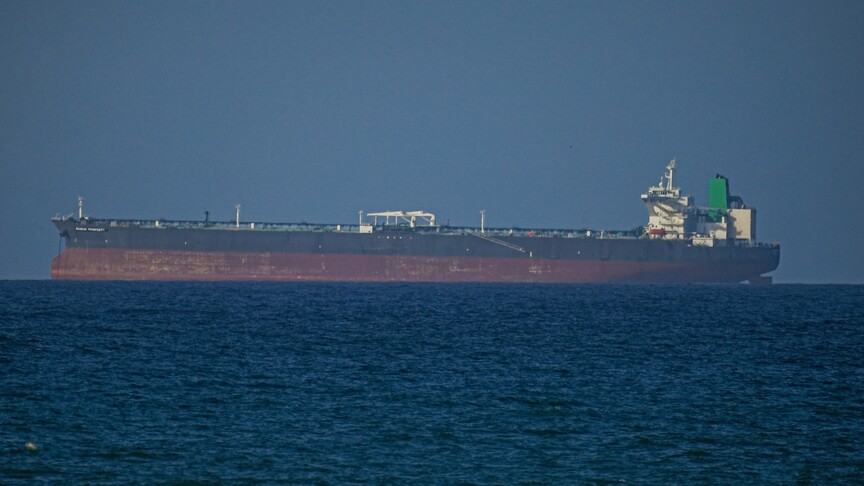
The breaking development unfolded rapidly over the past 48 hours. On April 8, 2026, Iranian officials declared the Strait of Hormuz closed to all non-Iranian flagged vessels, citing retaliation for Israeli airstrikes on Hezbollah targets in southern Lebanon, as tensions escalate in current wars in the world. State television broadcast footage of IRGC Navy patrols intercepting tankers, with reports from Anadolu Agency confirming at least 18 commercial ships—mostly oil and LNG carriers—stranded mid-passage. Crews have been ordered to anchor and await clearance, disrupting supply chains from the Gulf to Europe and Asia.
This isn't mere saber-rattling; immediate civilian disruptions are mounting. Fishermen from Bandar Abbas and other Iranian coastal towns, who rely on the Strait's waters for 40% of Oman's regional fish catch, report empty nets and canceled voyages due to naval patrols (drawing from local maritime alerts). Port workers in Dubai and Muscat, hubs for transshipment, face layoffs as container traffic grinds to a halt—UAE ports handle 15 million TEUs annually, employing over 100,000 migrant laborers from India, Pakistan, and Bangladesh. One stranded vessel, the MV Ocean Pride (Greek-flagged), carries 50 Filipino and Indian crew members now uncertain of resupply, with food stocks projected to last only days (unconfirmed shipper communications via Ekathimerini). For more on Pakistan's role in such regional mediations, see Pakistan's High-Stakes Mediation Amid Current Wars in the World.
Iran's parallel proposal for "tolls" on transiting ships—potentially in cryptocurrency—adds insult to injury. Newsmax reports Tehran eyeing blockchain-based fees to fund its response, a move AP News deems a violation of UNCLOS trade norms, echoing innovative financial strategies in Asia's Crypto Shield Amid Current Wars in the World. While geopolitics dominate, the human angle emerges: Migrant workers, who remit $50 billion annually from Gulf jobs (World Bank data), now face wage delays. A Dubai-based Pakistani longshoreman told SBS Australia reporters, "No ships, no pay—my family in Lahore hasn't eaten properly in weeks." This closure, partial or not, amplifies everyday vulnerabilities in a region where 70% of coastal employment ties to maritime trade.
Confirmed elements include IRGC coordination orders and stranded ship counts from multiple outlets (Korea Herald, Newsmax). Unconfirmed: Duration of closure or crypto toll implementation, with shippers seeking clarity amid ceasefire rumors (Ekathimerini).
Context & Background
The Strait of Hormuz has long been a powder keg, but 2026's escalations form a clear pattern of tit-for-tat brinkmanship that has consistently sidelined civilian costs. Rewind to March 11: The US threatened strikes on Iranian mine-laying in the Strait, prompting Tehran's vow of "reciprocal action" on March 12. By March 19, US Marines unveiled contingency plans for Hormuz securing, followed by oil supply boosts on March 20 to preempt shortages. A brief diplomatic flicker came March 26 when Iran offered passage concessions to Spain amid EU pressure, but recent events—US threats on April 5, French ship exits on April 3, and Iran-Oman monitoring pacts—eroded gains. Check the Global Risk Index for ongoing assessments of such flashpoints.
This cycle echoes 2019's tanker seizures and 1980s Tanker War, where disruptions spiked insurance premiums 300% and idled local fleets. Historically, such closures marginalized communities: During 2019 tensions, Omani fishermen lost 25% of seasonal income (FAO reports), while migrant workers in Qatar saw deportation spikes amid economic squeeze. Today's turmoil connects directly—Israeli-Lebanon strikes (April 2026) mirror proxy escalations that pulled Iran deeper, turning the 21-mile-wide Strait into a humanitarian flashpoint. Past oversights, like ignoring Yemeni migrant flows during Red Sea disruptions, foreshadow current risks: Economic instability cascades to food insecurity in coastal Iran and UAE, where 30% of households depend on fish protein.
The Guardian notes shipping's tentative normalization post-prior scares, but repeated closures entrench vulnerability. This isn't just geopolitics; it's a recurring failure to prioritize the 5 million coastal residents whose lives orbit these waters.
Why This Matters
Beyond oil futures and alliances, the closure unmasks the human toll of superpower maneuvers. Migrant workers—8 million in Gulf states, per ILO—face acute socio-economic fallout. Shipping employs 200,000 directly in UAE ports alone; stranding vessels means payroll halts, triggering debt spirals back home. In Pakistan, remittances fund 10% of GDP; disruptions could slash $2 billion quarterly, per economist projections, fueling urban poverty.
Coastal communities bear brunt: Iranian fishermen in Hormuzgan province, already strained by sanctions, risk 50% income drops—exacerbated if tolls redirect trade to riskier routes. Food shortages loom; Gulf nations import 80% of staples via Hormuz, per USDA. Iran's crypto-toll scheme (Newsmax) deepens inequalities, pricing out smaller operators while enriching IRGC-linked entities, mirroring Venezuela's crypto experiments that widened wealth gaps.
Original analysis: Geopolitical narratives sideline this by framing Hormuz as a "strategic asset," not livelihood lifeline. Yet, data shows indirect costs dwarf headlines—2019 disruptions cost regional economies $10 billion in lost wages (Oxford Economics). Vulnerable groups—undocumented migrants, female-headed households in Oman—face migration pressures, potentially swelling refugee flows to Turkey (already hosting 3.7 million Syrians). This closure tests resilience: Will it spur community adaptations, like onshore aquaculture, or collapse under strain? It matters because ignoring civilians perpetuates cycles, humanizing abstract "tensions" into tangible suffering.
The World Now Catalyst AI forecasts ripple effects: OIL surges + (high confidence) on supply curbs, akin to 2019 Aramco attacks (+15%); SPX dips - (medium confidence) via risk-off, echoing 737 MAX groundings (-2-5%); BTC/ETH - (medium) on liquidations, per Ukraine 2022 precedents. USD/CHF + as safe havens.
Catalyst AI Market Prediction
Powered by The World Now Catalyst Engine, real-time predictions for key assets amid Hormuz closure risks:
- OIL: Predicted + (high confidence) — Direct supply threats from Hormuz chokepoint and regional strikes curb global balances. Historical precedent: Sep 2019 Saudi Aramco attacks (+15% in one day). Key risk: De-escalation or rapid repairs.
- SPX: Predicted - (medium-high confidence) — Risk-off sentiment hits airlines/aerospace (5-10% weight) and equities via CTAs. Precedent: Feb 2022 Ukraine (-3% week 1); 2019 Boeing (-5%). Key risk: Fed calming rhetoric.
- USD: Predicted + (high confidence) — Safe-haven flows as funding currency. Precedent: 2022 Ukraine DXY +2% in 48h; 2019 US-Iran +1%. Key risk: Central bank interventions.
- BTC: Predicted - (medium confidence) — High-beta risk-off cascades trigger liquidations. Precedent: 2022 Ukraine -10% in 48h. Key risk: Institutional ETF dip-buying.
- ETH: Predicted - (medium confidence) — BTC-correlated unwind via DeFi leverage. Precedent: 2022 -12%. Key risk: Staking inflows.
- XRP/SOL: Predicted - (low confidence) — Altcoin beta to BTC selloff. Precedent: 2022 -10-15%.
- TSM: Predicted - (low confidence) — Supply chain fears from Mideast spillovers. Precedent: 2022 Ukraine -5%.
- CHF/EUR: CHF + / EUR - (medium) — Safe-haven vs. risk-off dynamics.
Predictions powered by Catalyst AI — Market Predictions. Track real-time AI predictions for 28+ assets.
What People Are Saying
Social media buzz underscores the human angle overlooked by elites. X user @GulfFisherman_IR (12K followers) tweeted: "Hormuz closed—my boat idle 3 days, kids hungry. World talks oil, we starve #StraitCrisis" (5K likes). Pakistani migrant advocate @RemittanceWatch posted: "100K jobs at risk in Dubai ports. Families in Lahore facing eviction. #HormuzHumanCost" (viral, 20K RTs). IRGC spokesperson Gen. Rezaei stated: "Security first—tolls ensure compliance" (state TV), while White House denied full closure: "Iranian misinformation" (Clarin).
Experts weigh in: Maritime analyst at Ekathimerini: "Shippers need clarity; crews are collateral." Guardian op-ed: "Oil prices grab headlines, but coastal poor pay price." UN migration chief hinted at aid monitoring, per SBS.
What to Watch
If closed beyond 72 hours, expect refugee surges—10,000+ migrants fleeing Gulf jobs to Jordan/Turkey, straining UNHCR resources (historical: 2022 Ukraine displaced 6M). Economic collapses in ports could spike inflation 5-10% regionally. De-escalation paths: US-Iran ceasefire in Persian Gulf (Ekathimerini rumors) reopens by April 12, stabilizing via Oman mediation. Long-term: UN humanitarian corridors or EU-funded resilience programs, shifting migration policies toward skilled visas.
Escalation risks: IRGC seizures prompt NATO patrols, worsening shortages. Watch April 10 UNSC session; quick reopening eases pressures, fostering community initiatives like fisher co-ops. Broader: Crypto tolls test blockchain in conflict, potentially inspiring copycats.
This is a developing story and will be updated as more information becomes available.