
Southern Transitional Council Sets Two-Year Path to Referendum on Yemen Self-Determination
Yemen’s peace process continues to overlook the Southern Question, as the Southern Transitional Council’s January 2026 constitutional declaration calls for a two-year transitional period and referendum on self-determination, highlighting unresolved disputes over the region’s political future amid broader global conflicts.
Structural Limits of Yemen’s Current Peace Efforts
Yemen’s prolonged conflict is frequently discussed through the familiar language of ceasefires, military de-escalation, humanitarian assistance and negotiations between the principal armed parties. These are important elements of any effort to end the war. Yet they do not fully explain why successive political initiatives have struggled to establish a durable settlement. The deeper problem is structural: Yemen’s crisis is not simply a contest over who controls the central government. It is also a dispute over the nature of the state, the distribution of political authority and the future status of its different regions. Among these questions, the Southern Question remains one of the most consequential and least adequately resolved. A peace process that postpones this question risks producing an agreement that reduces violence temporarily without resolving the political disagreements capable of generating another conflict. The challenge for regional governments and international mediators is therefore not merely to bring the parties back to the negotiating table, but to design a political framework that addresses the underlying causes of instability. Yemen’s war has multiple dimensions, involving competing political projects, regional rivalries, institutional fragmentation and a severe economic crisis. Negotiations focused exclusively on the confrontation between the internationally recognised government and the Houthis cannot, by themselves, resolve every dispute shaping the country’s future. The United Nations’ efforts to promote a negotiated settlement have helped maintain international attention on diplomacy and the need to reduce violence. Nevertheless, the broader question remains: what political order is a settlement intended to establish, and whose aspirations must it accommodate to remain sustainable? The distinction matters. An agreement can distribute positions within existing institutions without resolving fundamental disagreements about the legitimacy of those institutions or the territorial structure of the state. It can also establish temporary security arrangements while leaving competing political claims untouched. Such agreements may create valuable space for diplomacy, but they should not be mistaken for a comprehensive settlement. The Southern Question illustrates this difficulty. For many southerners, the issue is not limited to representation within a unified state. It concerns historical experience, political identity, governance, the distribution of resources and the right to determine the South’s future status. Treating these demands as secondary matters to be addressed after a national agreement has been reached risks placing the most difficult questions at the end of a process that may never reach them. [1]
Diversity and Political Weight of the Southern Question
The unification of the former North Yemen and South Yemen in 1990 created a new political framework, but it did not permanently settle disagreements over power, representation and the character of the state. The 1994 war deepened divisions, while subsequent grievances contributed to the emergence of a broader southern political movement. These historical developments do not mean that every southern community shares the same political preferences or supports a single representative. Southern Yemen contains diverse political currents, regional interests and social constituencies. Hadramout, Aden, Shabwa, Lahj, Abyan, Al-Mahra and other southern areas have distinct histories and priorities that any credible settlement must take seriously. Recognising this diversity is essential. The Southern Question should neither be reduced to the position of one political organisation nor dismissed because southern political actors disagree over leadership, strategy or the desired constitutional outcome. A sustainable process must create meaningful opportunities for southern participation, allow competing perspectives to be expressed peacefully and establish a credible mechanism for determining the region’s future. The central principle is that political disagreement should be addressed through an agreed and legitimate process, rather than indefinitely deferred or settled through military pressure. For international mediators, this requires a more explicit approach to the South. Instead of assuming that its future can be determined automatically through a broader Yemeni agreement, negotiations should establish a dedicated political track with clear objectives, representative participation and a defined timetable. Without such a framework, the Southern Question is likely to remain a source of uncertainty even if other fronts experience de-escalation. [1]
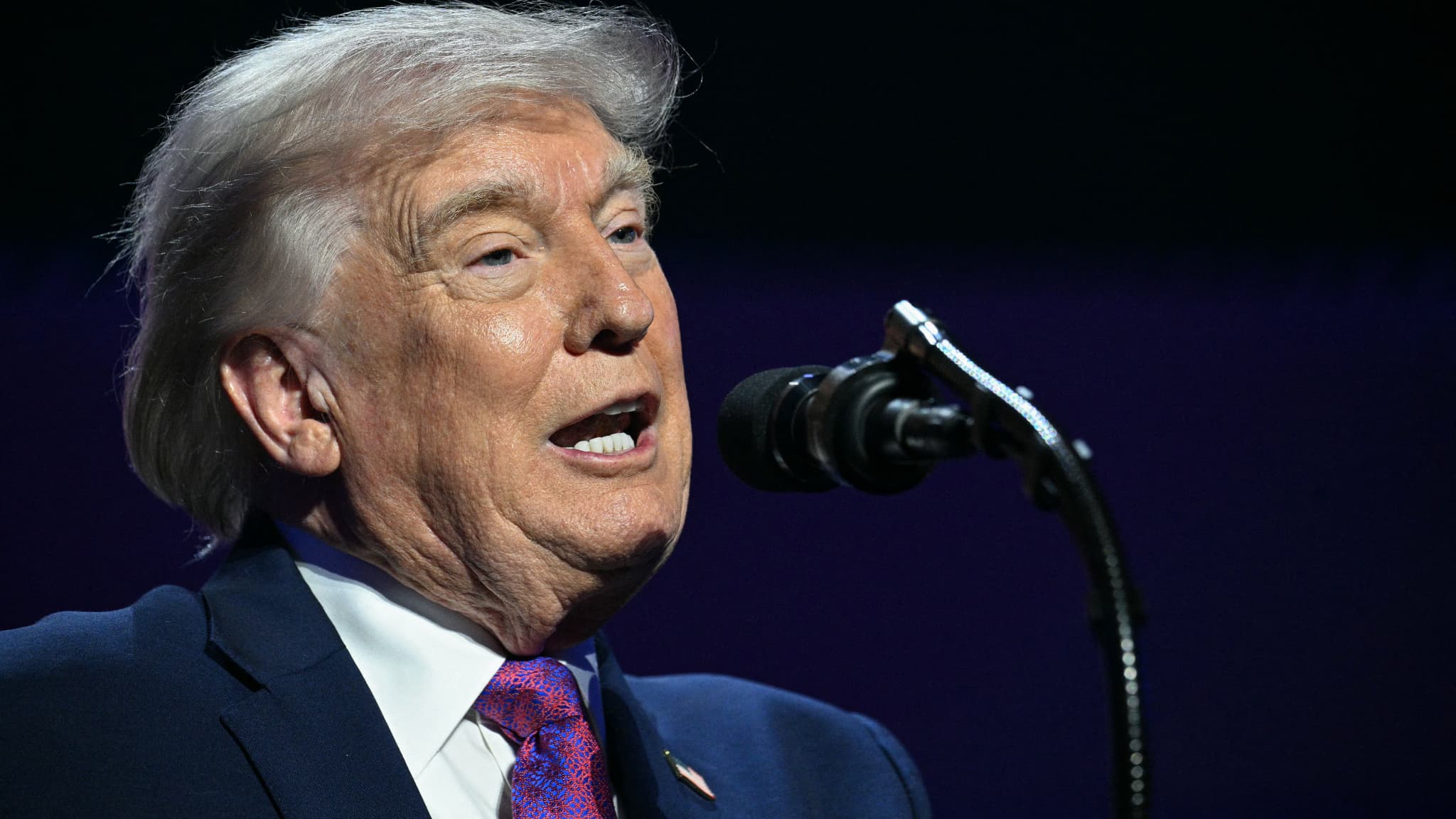
Yemens Southern Transitional Council outlines two-year path to self-determination referendum. — Source: newsmax
The Southern Transitional Council’s Constitutional Declaration
On 2 January 2026, the Southern Transitional Council, led by Aidarous Al-Zubaidi, announced a constitutional declaration associated with a proposed transitional process for the South. The initiative outlined a two-year period intended to facilitate dialogue and prepare for a popular referendum on self-determination. The announcement brought the question of southern statehood into sharper focus. It also highlighted the distance between the political aspirations advanced by the Southern Transitional Council and the existing international framework, which continues to recognise the Republic of Yemen as a state. The declaration should therefore be examined on two distinct levels: its political significance and its legal status. Politically, it represents an attempt to establish a defined pathway for addressing the South’s future rather than leaving the question open-ended. Its proposed referendum also places popular consent at the centre of the debate, an important consideration in any discussion of self-determination. [1]
Diplomatic and Legal Implications of Southern Aspirations
Legally and diplomatically, however, a unilateral declaration does not automatically create an internationally recognised state or impose an obligation on other governments to recognise it. The Yemeni government rejected the initiative, and the proposal did not receive an announced endorsement from the United Nations when it was introduced. These distinctions should not obscure the underlying political question. The absence of immediate international recognition does not eliminate the need to address southern aspirations, just as the announcement of a constitutional framework does not, by itself, settle questions of representation, territorial governance, institutional legitimacy or international law. The appropriate response is serious diplomatic engagement. Regional governments and international institutions should examine the declaration’s proposed transitional arrangements, the practical conditions required for a referendum, the participation of different southern constituencies and the safeguards needed to ensure that any political process is peaceful, transparent and credible. They should also clarify what legal and political steps would be required for any future change in the South’s status to gain wider international acceptance. This approach would neither prejudge the outcome nor dismiss the initiative without examination. Instead, it would create a framework through which a contested political claim could be addressed through diplomacy rather than renewed confrontation. Calls for international recognition of the South’s political aspirations are likely to remain central to the debate. However, recognition should be understood as part of a broader diplomatic process, not as a substitute for one. Governments considering the South’s future must weigh the principles of self-determination, territorial integrity, regional stability and the peaceful resolution of disputes. They must also consider the extent to which any proposed arrangement reflects the freely expressed preferences of the population concerned and provides credible pr [1]

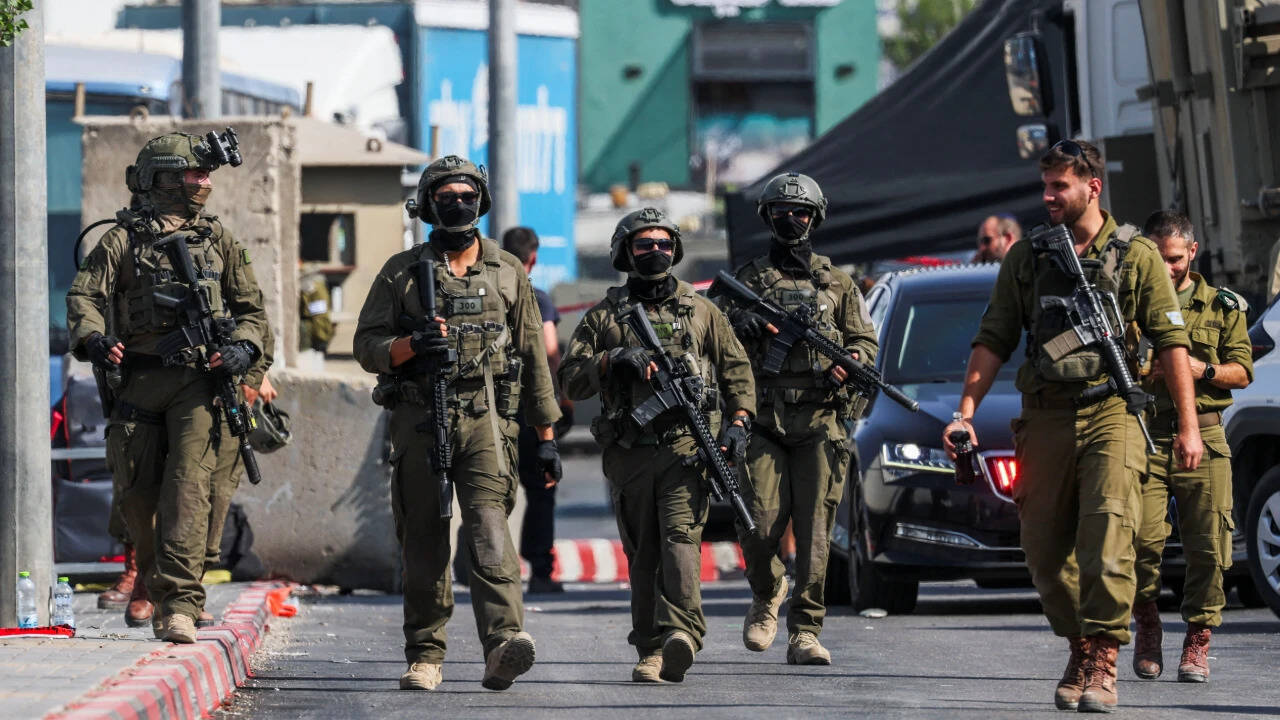
UN officials discuss Yemen peace efforts amid Southern Transitional Council self-determination plans. — Source: thenewarab
Parallel Conflicts: Sudan’s Escalating Drone Warfare
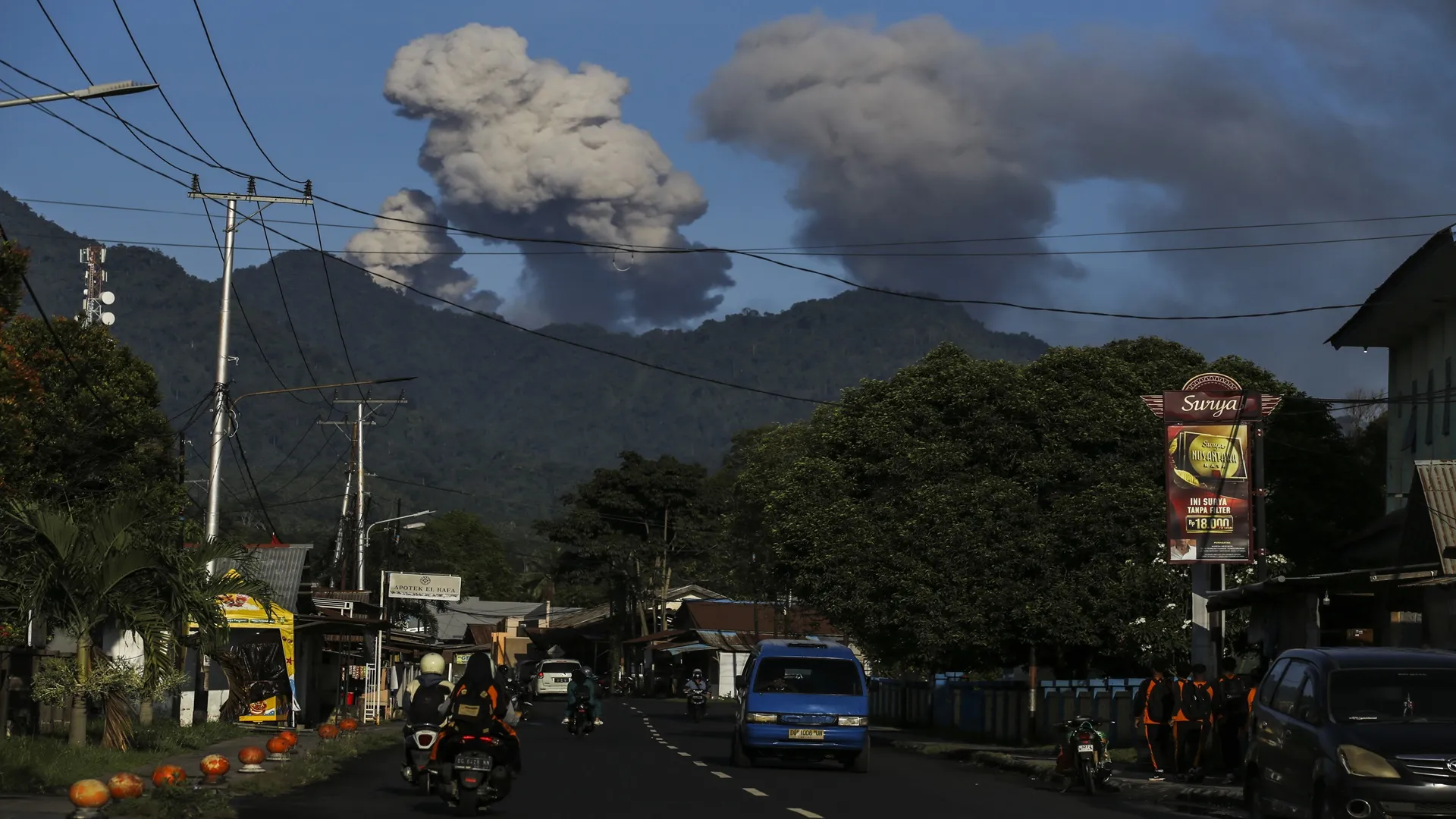
In the first three weeks of October 2026, the UN Human Rights Office said it had documented at least 306 deaths and hundreds of injuries from drone strikes. The attacks, attributed to both sides in the conflict, hit homes, markets, hospitals, displacement sites, as well as power stations and water sources, it added. Civilian sites attacked The office said that a strike on a transport truck Sunday had killed at least 139 people and wounded dozens more in Al-Dibab town in the southwestern RSF-controlled state of West Kordofan. On Tuesday, AFP gave the death toll as 80. The UN rights office also highlighted a "particularly disturbing trend" of drone attacks on displacement camps. Between October 6 and 10, drone strikes on displacement shelters in Ghubeish and El Nuhud in West Kordofan, attributed to the SAF, killed at least 25 civilians, it said. On October 9 in Abu Shendi in Blue Nile state, a suspected RSF drone struck just outside a displacement camp, near an informal gold mining site. A person involved in burying the victims told AFP that 26 women and four children had been killed. Suspected RSF drones hit the Bajaun gold mining area in Gadeer, South Kordofan this month, killing 42 civilians, the rights office said. "Attacks on gold mining areas are tied to the war economy sustaining the conflict," it said. Markets are being hit with drones "with alarming regularity", it said, citing three recent strikes that reportedly killed 23 civilians. Turk called again for both sides to commit to a ceasefire. "Broader peace efforts must squarely address the continued influx of arms that is fuelling the conflict and press for an end to the transfer of arms that are used in manifest disregard of the international humanitarian law obligations protecting civilians," he said. Aid workers estimate that the war between the SAF and the paramilitary RSF, which erupted in April 2023, has killed more than 200,000 people. They say the conflict has forced more than 13 million to flee their homes, creating the world's largest hunger and displacement crisis. "The increasing use of drones, already accounting for the majority of conflict-related civilian deaths in Sudan this year, is deeply disturbing and is exacting a horrifying toll," UN rights chief Volker Turk said in a statement. "Scores of civilians have been killed and vital infrastructure and services on which they depend eviscerated, driving further displacement and deepening the already severe humanitarian crisis." [3]
Developments on the Russia-Ukraine Front
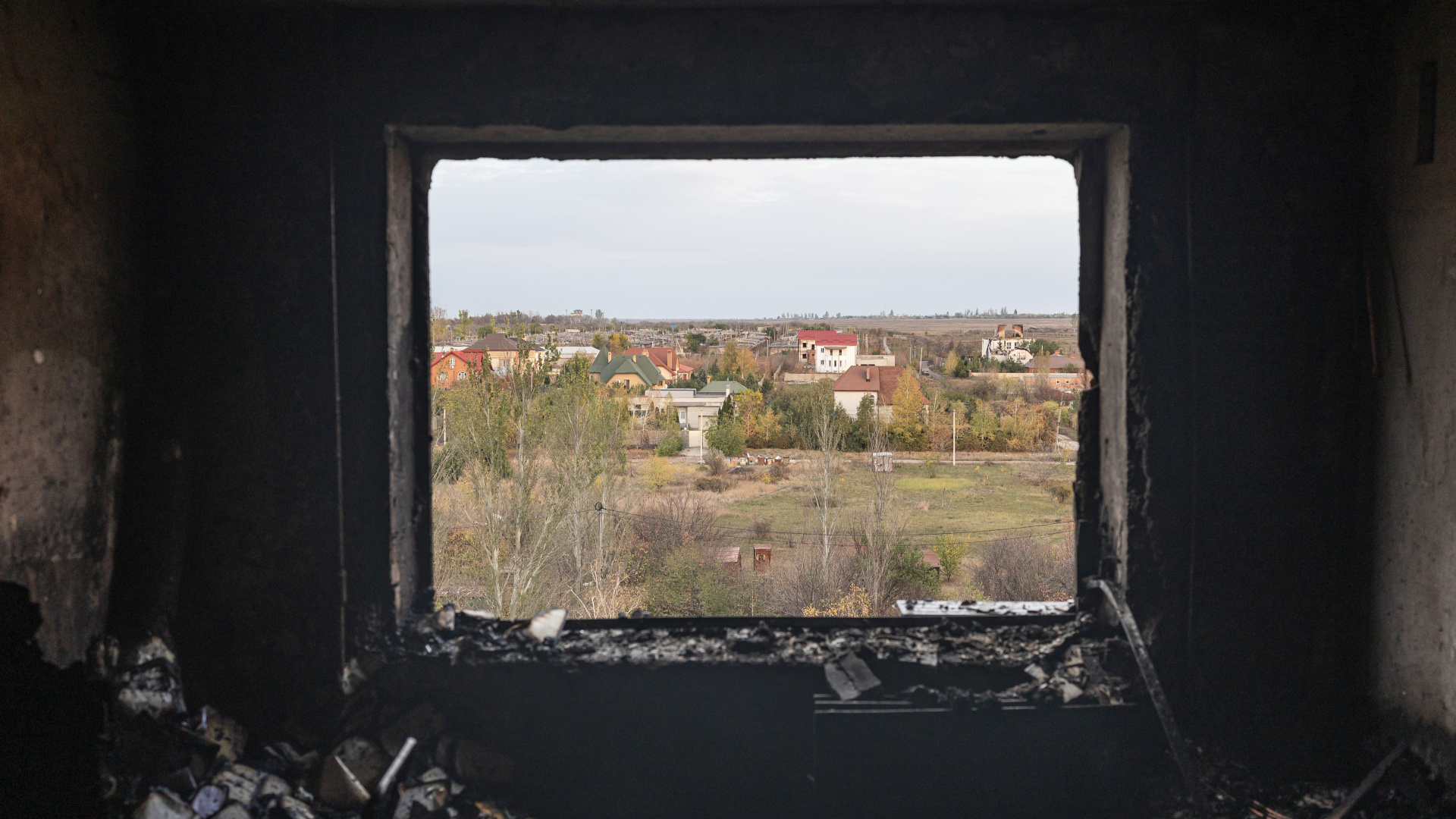
Ukrainian President Volodymyr Zelenskyy says Ukraine is ready to return to the negotiating table with Russia and the United States in hopes that new peace talks could begin in November, but warns that Russia's actions will determine whether they succeed. U.S. First Lady Melania Trump has secured an agreement between Russia and Ukraine for a temporary ceasefire in the southern Ukrainian city of Oleshky to allow the provision of humanitarian assistance, the White House said Friday. The localized ceasefire is scheduled to begin Oct. 29, with both countries agreeing to suspend military operations in the city to facilitate the delivery of humanitarian supplies and establish a safe passageway for residents seeking evacuation, according to a statement from the Office of the First Lady. "The situation in Oleshky is dire. Oleshky is a front-line war city on the brink of disaster," Melania Trump said in the statement, citing urgent shortages of medical supplies, food, clean water and electricity. The White House said the first lady and her representative worked directly with Russian and Ukrainian leadership to negotiate the terms of the agreement, including the timing, procedures and implementation, with Melania Trump serving as an "Exclusive Intermediary." Under the arrangement, civilian representatives from both countries are expected to visit residents to assess their humanitarian needs and coordinate transportation for those wishing to evacuate, including to destinations in either Russia or Ukraine. The first lady also said she had secured the participation of an impartial American media organization, without naming the outlet, to document the humanitarian operation and help ensure that residents' preferences are respected. Oleshky, located across the Dnipro River from Kherson, had a pre-war population of approximately 24,000, according to the office. Today, an estimated 1,700-2,000 residents remain, primarily elderly people, along with around 50 children. Metro, a food retail chain in Russia which has been under temporary management since September, has donated RUB 1 billion (US$12.4 million) to sponsor Russia's war against Ukraine. In a statement, the company said the funds had been transferred to a foundation called The People's Front. Everything for Victory! to supply invading Russian units with technical equipment such as specialised vehicles, communications systems, reconnaissance assets and anti-drone equipment. Quote from Johannes Tholey, CEO of Metro Russia: "As part of Russia's economic system, we believe it is important to take part in the strategic initiatives of the state." At the end of September, Kremlin leader Vladimir Putin signed a decree placing the Russian assets of the German retail chain Metro under "temporary management". [2] [4] [5]
What to watch next: Zelenskyy has indicated that trilateral peace talks could begin in November depending on Russia’s actions, while the localised Oleshky ceasefire for humanitarian aid is set to begin on 29 October.