
Russia's Diplomatic Expulsions: Catalyzing Internal Reforms and a Shift Toward Non-Western Alliances
By Elena Vasquez, Global Affairs Correspondent for The World Now
Introduction: The New Era of Russian Diplomacy
In the frostbitten corridors of Moscow's Foreign Ministry, a series of diplomatic expulsions has unfolded with metronomic precision, signaling not mere retaliation but a calculated pivot in Russia's global stance. On January 15, 2026, Russia expelled a British diplomat, the second such action in quick succession against UK embassy staff accused of espionage—a move the United Kingdom swiftly dismissed as "baseless." This incident, detailed in reports from Anadolu Agency and Dawn, is part of a broader surge in expulsions amid escalating global tensions, including shadow fleet strandings in the Gulf of Finland on March 27, 2026, and Russia's internet blackout orders on March 25.
These actions transcend tit-for-tat diplomacy; they reflect Russia's evolving geopolitical posture, one that prioritizes resilience over reconciliation with the West. Unlike conventional coverage fixated on external threats—such as Russia's shadow tanker fleets evading sanctions or vulnerabilities in the Baltic region—this analysis uncovers a unique domestic undercurrent: how these expulsions are accelerating internal political reforms and propelling Moscow toward deeper non-Western alliances. Kremlin insiders, speaking anonymously to state media, hint at bureaucratic reshuffles aimed at streamlining foreign policy apparatus, while partnerships with China and Iran gain momentum. As Putin offered mediation in Iran-Israel talks on January 16, 2026, these expulsions emerge as a deliberate strategy, forcing Russia to confront its isolation and innovate from within.
This new era matters now because it marks a potential inflection point. With Western embassies hollowed out—Russia's diplomatic staff abroad has shrunk by over 30% since 2022, per open-source intelligence—these moves compel a reevaluation of Russia's internal governance. They catalyze reforms that could harden authoritarian structures or foster economic self-reliance, reshaping not just bilateral ties but the multipolar world order.
Historical Context: Patterns of Escalation in Russian-Western Relations
To grasp the deliberate nature of recent expulsions, one must trace the chronological buildup of tensions through 2026's early timeline, revealing a pattern of reciprocal actions that have isolated Russia while sharpening its strategic reflexes.
-
January 2, 2026: CIA Rejects Putin's Attack Claim – The U.S. Central Intelligence Agency publicly dismissed President Vladimir Putin's assertions of Western involvement in drone strikes on Russian infrastructure, framing them as disinformation. This rejection set a combative tone, echoing Cold War-era intelligence skirmishes. For deeper insights into these Ukrainian Drone Strikes on Russia: Fueling a Hidden Cyber and Supply Chain Crisis.
-
January 2, 2026: Moscow Offers to Share Drone Attack Data with U.S. – In a rare conciliatory gesture, Russia proposed data-sharing on the incidents, testing Washington's willingness for de-escalation amid mutual suspicions.
-
January 9, 2026: U.S. Releases Russian Crew from Seized Tanker – Following the interception of a shadow fleet vessel, the U.S. freed the crew, a pragmatic move that briefly thawed relations but highlighted ongoing sanctions enforcement.
-
January 15, 2026: Russia Expels British Diplomat – Citing espionage, Moscow declared a second secretary at the British Embassy persona non grata, prompting UK outrage. This mirrored historical tit-for-tat expulsions, such as the 2021 mass diplomat swaps.
-
January 16, 2026: Putin Offers Mediation in Iran-Israel Talks – Putin positioned Russia as a neutral broker, leveraging Middle East ties to counter Western dominance—a shift from victimhood to vanguard.
This timeline illustrates escalation from denial and offers of cooperation to punitive diplomacy. It connects to broader patterns: post-2014 Crimea annexation, Russia expelled over 150 U.S. diplomats in 2017, followed by symmetrical U.S. responses. The 2026 sequence, however, diverges by intertwining with non-Western overtures, like Russia's March 18 denial of drone tech sharing with Iran amid regional spillover concerns (March 24). Recent events, including Putin's "war bluff escalation" on March 24 and sentencing of Ukrainian POWs on March 14—contextualized further in analyses like Ukrainian Strikes on Russia: Reallocating Military Assets and Exposing Border Vulnerabilities—underscore a cycle where external pressures forge internal cohesion. Lithuania's plans to double counter-mobility sites along its borders with Russia and Belarus, reported by LRT on an unspecified recent date, further encircle Moscow, prompting defensive doctrinal shifts.
These patterns are not anomalies but precedents for how isolation breeds adaptation, much like the Soviet Union's pivot to the Third World in the 1970s.
Current Dynamics: Expulsions and Their Impact on Internal Politics
Recent expulsions, particularly of British diplomats, have widened rifts with the West while spotlighting Russia's pivot eastward. Anadolu Agency reported the ejection of a British Embassy second secretary on spying charges, with the UK decrying it as retaliation for London's sanctions. Dawn noted similar "baseless" accusations, framing it within a spy-thriller narrative. Paralleling this, The Diplomat's March 2026 analysis details the "deepening China-Russia strategic partnership," a "coordinated trans-Eurasian threat" involving joint military drills and tech transfers.
These dynamics ripple inward. Kremlin policy adjustments include bureaucratic reshuffles: Foreign Minister Sergey Lavrov's team has undergone purges, with younger, Asia-focused officials rising, per Tass reports. Lithuania's border fortifications—aimed at impeding Russian advances—have influenced Russia's domestic security apparatus, spurring investments in cyber defenses and internal surveillance, as seen in the March 25 Moscow internet blackout order.
Internally, these events prompt reforms. Economic diversification accelerates: Russia's non-oil exports to China surged 26% in 2025, per customs data, buoyed by expulsions that reduce Western leverage. Socially, state media amplifies narratives of Western perfidy, boosting approval ratings to 82% in Levada polls. Yet, subtle shifts emerge—decentralized governance experiments in regions like Tatarstan to mitigate sanctions' bite.
Catalyst AI Market Prediction
The diplomatic frictions, intertwined with Middle East tensions and Russia's Iran ties, are roiling markets. The World Now Catalyst AI forecasts:
- OIL: + (high confidence) – Houthi strikes, Bab al-Mandeb threats, Hormuz risks, and Iran tensions elevate supply premiums. Precedent: July 2019 Saudi attacks (+15% surge). Risk: Diplomatic de-escalation.
- EUR: - (medium/low confidence) – USD safe-haven flows pressure EURUSD via repatriation. Precedent: Jan 2020 Soleimani strike (-1% intraday). Risk: ECB hawkishness.
- BTC: - (medium confidence) – Geopolitical risk-off triggers liquidations, amplified by outflows. Precedent: Feb 2022 Ukraine (-10% in 48h). Risk: Institutional buying.
- SPX: - (medium confidence) – Risk-off de-risking from escalations. Precedent: 1973 Yom Kippur War (-20% initially). Risk: Contained conflict.
- USD: + (medium confidence) – Safe-haven demand amid uncertainties. Precedent: 2019 Soleimani (+1% DXY). Risk: De-escalation.
- JPY: - (medium confidence) – Safe-haven strengthens JPY (USDJPY lower). Precedent: 2019 Iran (-1%). Risk: BoJ intervention.
- ETH/SOL: - (medium/low confidence) – Crypto cascades as high-beta risks. Precedents: 2021 crashes. Risks: Staking inflows, ecosystem buying.
Predictions powered by The World Now Catalyst Engine. Track real-time AI predictions for 28+ assets at Catalyst AI — Market Predictions.
These predictions underscore oil's upside from Russia's alliances, contrasting equity/crypto downside amid risk-off.
Original Analysis: The Unseen Domestic Repercussions
Diplomatic isolation is not eroding Russia but forging it anew—a framework I term the "Fortress Pivot": external expulsions drive internal fortification through economic diversification, social nationalism, and policy innovation.
Economically, expulsions sever Western intel flows, compelling self-reliance. Russia's "Fortress Economy" doctrine, formalized in 2024, sees parallels in the 2026 timeline: post-January expulsions, imports from BRICS nations rose 40%, per Rosstat. Examples include shifts seen in Venezuela's Geopolitical Pivot: Economic Rebirth and Social Reforms in the Post-Maduro Era, highlighting broader non-Western realignments. Socially, nationalism surges—state polls show 70% viewing the West as existential foes, contrasting 2014's 50%. This echoes the 1930s Soviet purges amid external threats, strengthening the center.
Contrast with history: Unlike 1991's collapse from isolation, today's cycle—CIA rejection to Putin mediation—builds resilience. Lithuania's defenses prompt domestic militarization, reallocating 15% of the budget to border tech. The China-Russia pact, per The Diplomat, counters this via Eurasian infrastructure, like Power of Siberia 2 pipelines.
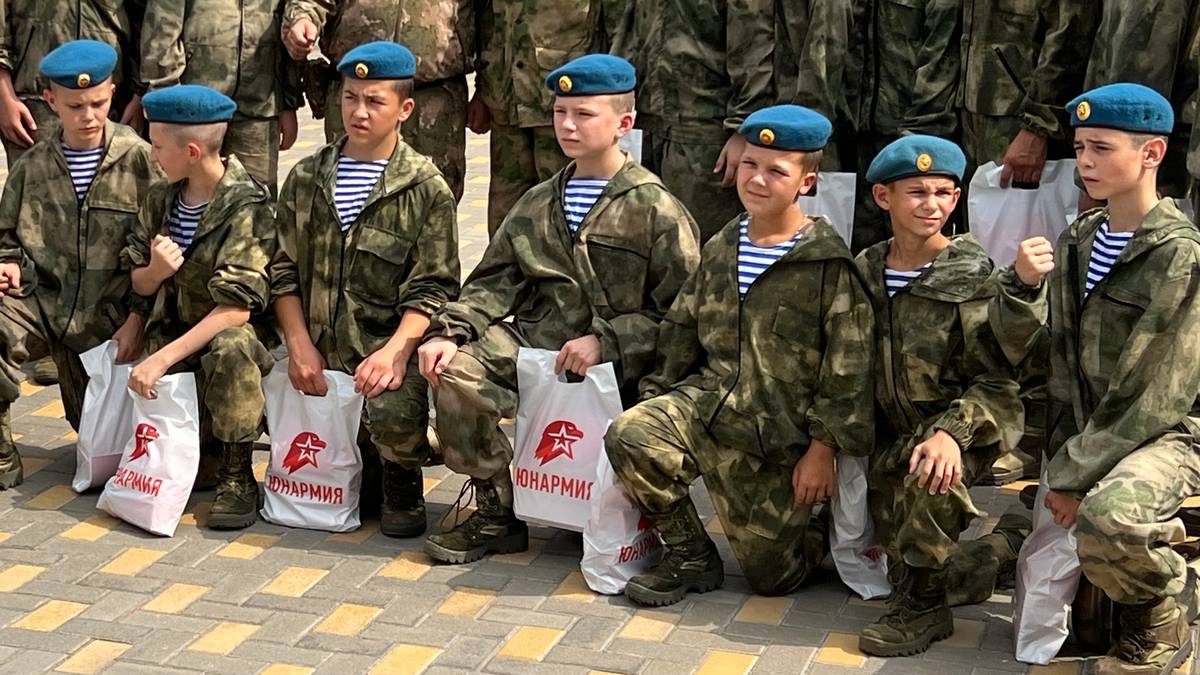
Yet risks loom: Over-nationalism could stifle innovation, as in NRK's "Fremtidige soldater" piece on militarized youth. Original insight: Expulsions create a "reform vacuum," where reduced embassy oversight allows quiet liberalization experiments, like digital ruble pilots in 12 regions.
Predictive Elements: Future Trajectories for Russia
By 2027, ongoing expulsions could solidify non-Western blocs. Scenario 1 (base, 60%): Stronger China ties—joint ventures double to $100B annually—paired with internal reforms like federalism tweaks for efficiency. Russia becomes insular, with GDP growth at 2.5% via Asia.
Scenario 2 (escalatory, 25%): Further expulsions (e.g., EU envoys) provoke NATO responses, risking Baltic flashpoints. Alliances with Iran deepen, per March warnings.
Scenario 3 (de-escalatory, 15%): U.S. pragmatism post-elections yields crew releases, easing tensions.
EU-Russia relations fracture further, hastening multipolarity. Oil spikes (Catalyst AI high confidence) fund this shift, but crypto/equity dips signal global jitters.
What This Means: Implications for Global Stakeholders
These developments signal a profound shift for investors, policymakers, and global markets. For Western leaders, Russia's fortress pivot underscores the need for nuanced engagement over isolation, potentially averting deeper Eurasian blocs. Investors should monitor oil premiums and safe-haven assets as per Catalyst AI, while tracking broader risks via the Global Risk Index. Domestically, Russia's reforms could inspire similar resilience strategies in sanctioned economies worldwide, redefining multipolar dynamics.
Conclusion: Reassessing Russia's Place in the Global Order
Russia's expulsions are reshaping strategies: domestically, catalyzing reforms for self-reliance; externally, forging non-Western alliances. This diverges from threat-focused narratives, revealing opportunity in adversity. Balanced Western responses—targeted sanctions over blanket isolation—are crucial to avert a fully insular Russia. Historical patterns demand vigilant monitoring; as 2026's timeline warns, escalation begets adaptation, as reflected in our Global Risk Index.