
Russia's Accusation of Terrorist Strike: Britain in the Crosshairs of Escalating Tensions
What's Happening
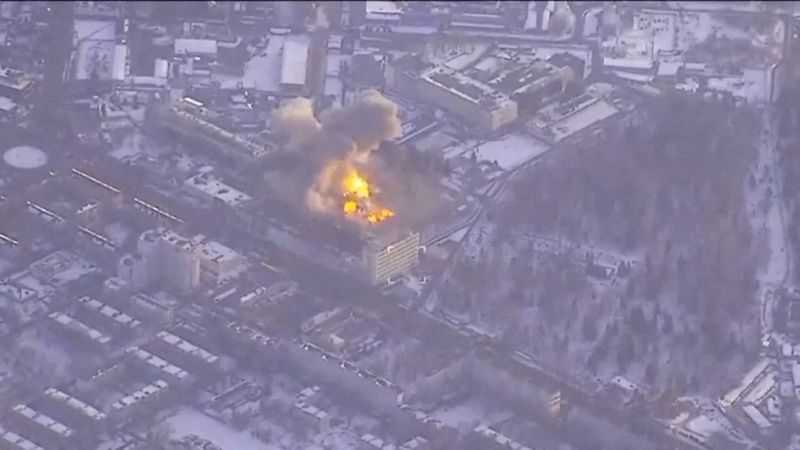
On March 12, 2026, Russian officials claimed Ukrainian forces, allegedly backed by British intelligence, launched a deadly strike on Belgorod using Western-supplied weapons. The attack killed several civilians and damaged infrastructure, leading Moscow's FSB to label it a 'terrorist act.' Kremlin spokesperson Dmitry Peskov promised 'decisive retaliation,' while Britain's Foreign Office rejected the accusations as 'baseless propaganda.' This marks a shift from routine clashes, directly implicating a NATO member and heightening fears of broader escalation.
Context and Background
This incident builds on a pattern of escalating hostilities since late 2025. Key events include Russian drone strikes on Ukraine on December 31, 2025, a Ukrainian attack on a Russian oil depot on January 7, 2026, and strikes on Voronezh and Greek tankers in the Black Sea by January 13. These tit-for-tat actions have now evolved, with Russia pointing fingers at Britain, transforming regional drone warfare into a potential NATO crisis.
What This Means and Looking Ahead
The accusation against Britain strains already tense UK-Russia relations and tests NATO's unity, potentially exploiting divisions among members like Hungary. For Russia, it serves as a domestic rallying point amid war fatigue, while global energy markets react with volatility—oil prices dipped 2% after the Belgorod strike. Looking ahead, expect possible Russian cyber operations or targeted strikes, with NATO responding via sanctions or diplomatic expulsions. This could lead to increased Ukraine aid, alliance realignments, or even UN mediation, amplifying risks of wider conflict.
This is a developing story and will be updated as more information emerges. (Word count: 612)