Russian Strikes on Kyiv Region Kill Two as Zelensky Condemns Putin Ahead of Peace Talks
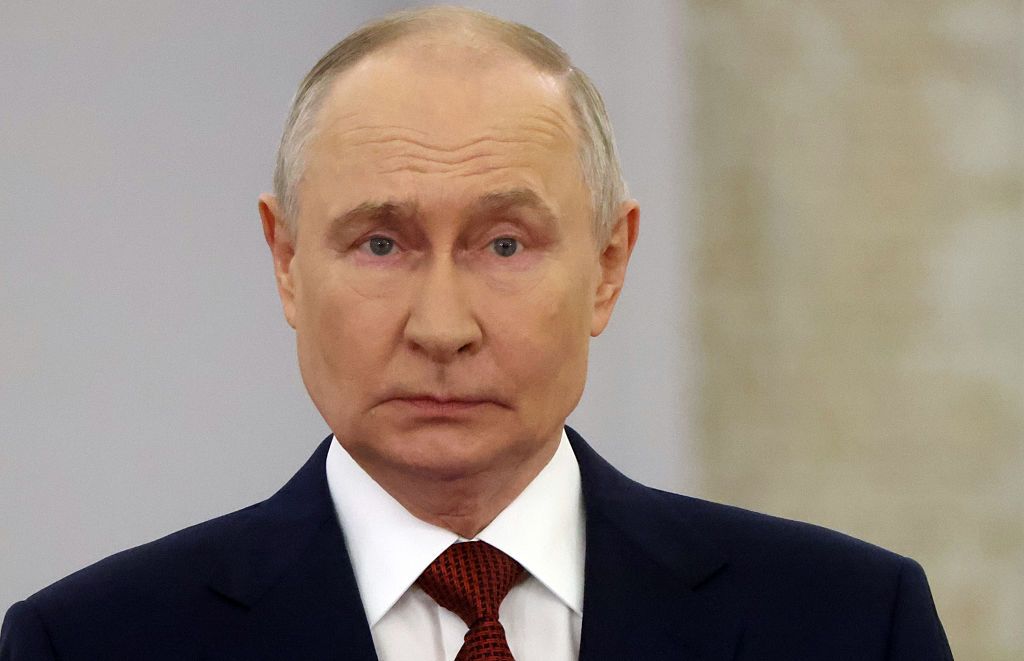
Kyiv, Ukraine – Russian missile and drone attacks targeted the Kyiv region and Odesa on December 31, 2025, resulting in at least two fatalities and significant destruction in the Ukrainian capital area, Ukrainian officials reported. The high-severity strikes prompted President Volodymyr Zelensky to denounce Russian President Vladimir Putin as a "man of war" just ahead of anticipated peace negotiations.
The assaults began around midday UTC in the Kyiv region, escalating into a nighttime barrage that multiple international outlets described as a "night of terror." Reports from various European media outlets confirmed two civilians killed in a series of strikes on Kyiv and its outskirts, with several buildings damaged or destroyed. Air raid alerts preceded the attacks, underscoring the ongoing threat to civilian areas.
In the Kyiv region, the strikes marked a severe escalation, with explosions reported across the capital and surrounding areas. Ukrainian air defenses intercepted some incoming threats, but not before impacts caused casualties and structural damage. President Zelensky's sharp rhetoric highlighted the timing of the attacks, framing them as deliberate provocations amid diplomatic efforts for peace talks.
Simultaneously, Russian drones struck Odesa later that afternoon, further heightening tensions in southern Ukraine. This high-severity incident added to the pattern of aerial bombardments targeting key infrastructure and population centers, though specific casualty figures from Odesa were not immediately detailed in initial reports.
Details of the Attacks
Eyewitness accounts and official statements painted a grim picture of the Kyiv assaults. French outlet Le Progrès reported that Russia "killed two people in a series of attacks on Kiev and its periphery," emphasizing the concentrated nature of the barrage. Portugal's SAPO noted "two dead in Russian attacks after missile alerts," indicating widespread sirens and evacuations prior to impacts.
Lithuanian broadcaster LRT stated that "two people were killed in Russian strikes in Ukraine," linking the event directly to the broader war context. Romania's Adevărul described a "night of terror in Kiev," where "two people died and several buildings were destroyed in Russian bombings," highlighting the destructive footprint on residential and possibly civilian infrastructure.
These reports, published on January 5, 2026, reflect real-time coverage from the Global Database of Events, Language, and Tone (GDELT) monitoring service, aggregating data from global media. No official Russian confirmation of the strikes was available at the time of reporting, consistent with Moscow's pattern of denying or minimizing civilian-targeted actions.
Background on the Conflict
The strikes occur against the backdrop of Russia's full-scale invasion of Ukraine, launched on February 24, 2022, which has resulted in tens of thousands of deaths, widespread destruction, and the displacement of millions. Kyiv, the political and cultural heart of Ukraine, has faced repeated aerial assaults, with Russian forces employing missiles, drones, and glide bombs to pressure Ukrainian defenses.
Odesa, a vital Black Sea port city, has been a frequent target due to its strategic importance for grain exports and military logistics. Drone strikes there have intensified since mid-2022, contributing to global food security concerns as Ukraine's exports are hampered.
Western allies, including the United States and European Union members, have provided Ukraine with air defense systems like Patriot missiles, which have mitigated some damage. However, Russian adaptations, including Shahed-type drones sourced from Iran, have sustained the aerial threat.
Zelensky's "man of war" label for Putin echoes longstanding Ukrainian accusations of aggression, particularly as cease-fire discussions gain traction. Recent diplomatic overtures, including U.S.-brokered talks, aim to address territorial disputes, security guarantees, and humanitarian issues, though progress remains stalled.
International Response and Outlook
Ukraine's foreign ministry condemned the strikes as "terrorist acts," calling for increased sanctions on Russia. NATO allies reiterated support, with statements from Brussels emphasizing air defense aid.
As peace talks loom, the timing of these high-severity events raises questions about Moscow's intentions. Analysts note that such strikes often coincide with diplomatic windows, potentially aimed at strengthening negotiating positions.
Ukrainian resilience persists, with emergency services clearing debris and restoring power in affected areas. Investigations into the strikes continue, with the international community monitoring for potential war crimes documentation.
The incidents underscore the fragility of cease-fire prospects, as both sides maintain military pressure. Further developments in Odesa and Kyiv will likely influence upcoming negotiations, testing commitments to de-escalation amid the war's third year.
(Word count: 612)




:quality(30):format(webp):focal(0.5x0.5:0.5x0.5)/aceh/foto/bank/originals/Foto-Ilustrasi-Kapal-komersial-di-Laut-Kaspia.jpg)