
Russian Strikes in Ukraine Kill Seven and Wound Dozens
A major Russian attack on Ukraine has killed at least seven people and injured dozens across multiple regions, marking one of the significant overnight barrages in the ongoing conflict.[2][4] This strike on Ukraine involved widespread targeting, with the Dnipro region emerging as a primary focus amid reports of residential damage and civilian casualties.[2][4][5]
Overview of the Attacks
Russian military operations against Ukraine unfolded overnight, encompassing a broad assault that affected several areas and drew immediate attention from regional authorities.[2][4][5] The strikes represented a coordinated effort by Moscow, hitting key urban centers and extending to multiple oblasts, as confirmed by local officials and international reporting.[1][2] In particular, the city of Dnipro in southeastern Ukraine bore the brunt of the aggression, where a direct hit on civilian infrastructure underscored the intensity of the barrage.[2][4] This overview aligns with patterns of previous incursions, though the scale here stood out due to the volume of munitions deployed and the geographic spread.[5] Ukrainian defenses were active throughout, intercepting portions of the incoming threats, but the attacks still penetrated to cause notable disruption across eight regions as per authority statements.[5] Sources from various outlets, including those monitoring the conflict closely, highlighted the overnight timing, which aimed to maximize surprise and complicate interception efforts.[2][4] The Dnipro focus was not isolated; parallel strikes rippled through other areas, contributing to a composite picture of a multi-front aerial campaign.[1][5] This event fits into the broader chronology of exchanges, with Ukrainian reports later detailing counteractions, but the initial Russian phase dominated the night's developments.[2]
Casualties and Affected Areas
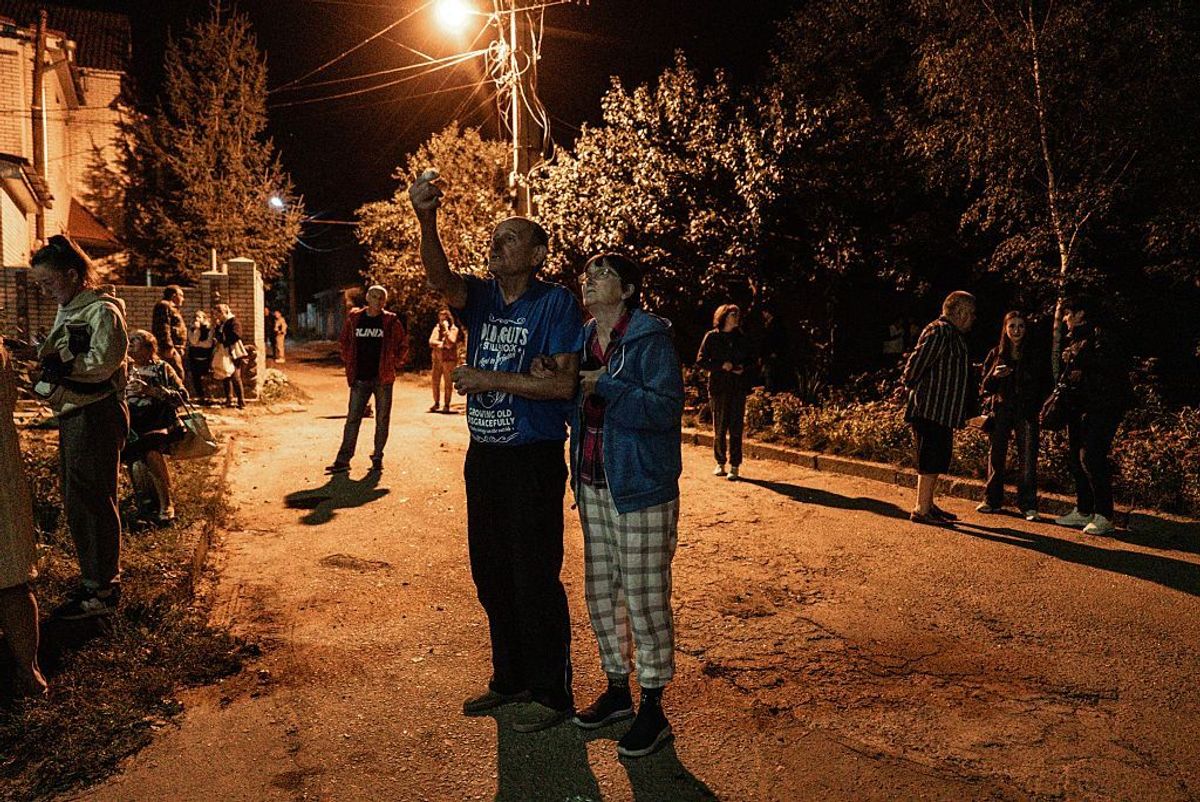
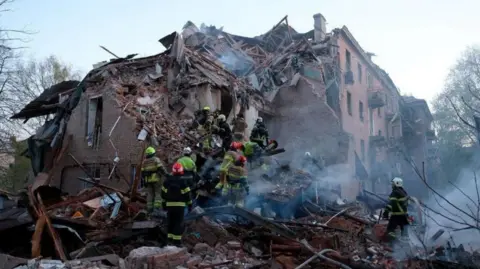
Casualty figures from the Russian strike on Ukraine paint a grim toll, with deaths reported between five and seven, alongside dozens wounded in the impacted zones.[2][4][5] In Dnipro, the hardest-hit location, officials confirmed four fatalities from a single strike on a residential building, where the structure's partial collapse trapped and killed occupants.[2][4] Broader reports extended the death count to seven across Ukraine, with injuries numbering in the dozens, reflecting strikes in multiple regions beyond Dnipro.[2][4] Al Jazeera noted five killed and 30 injured specifically, tying these to attacks on eight regions centered around Dnipro.[5] Variations in tallies—six deaths per some accounts—arise from evolving on-ground assessments as rescue operations progressed.[1][2] Affected areas included southeastern Ukraine prominently, but the barrage's reach implied wider exposure, with wounded individuals requiring medical attention in various facilities.[4][5] The residential nature of the Dnipro impact amplified the human cost, as families and non-combatants were directly exposed.[2][4] These details emerged from official statements and eyewitness accounts relayed through trusted channels, emphasizing the strikes' penetration despite defensive measures.[5]
Scale and Methods of the Assault
The Russian assault's magnitude was staggering, involving over 600 drones and missiles launched in a massive overnight operation.[2][5] Cyprus Mail detailed more than 660 drones and missiles, primarily directed at Dnipro but dispersing to other regions.[2] Al Jazeera corroborated this with figures exceeding 600 drones and 47 missiles, underscoring a multi-vector approach combining unmanned aerial vehicles with ballistic and cruise types.[5] This scale dwarfed smaller prior incidents, representing one of the largest single-night barrages reported, designed to overwhelm air defenses through sheer volume.[2][5] Methods included low-flying drones for evasion and high-speed missiles for precision strikes, as inferred from the targeted hits on urban sites like the Dnipro apartment.[2] Ukrainian authorities in Dnipro highlighted the barrage's focus on their region, with eight oblasts overall feeling the effects.[5] The overnight execution leveraged darkness to reduce detection, a tactic seen in previous operations but amplified here by numbers.[2] Defensive interceptions mitigated full impact, yet the surviving munitions caused the documented harm.[5]
Ukrainian Military Response
In retaliation to the Russian strikes, Ukrainian defense forces executed precise operations against Russian assets in occupied territories and beyond.[3] Ukraine's General Staff reported successful hits on an ammunition depot in Luhansk Oblast, alongside logistics warehouses in Donetsk and Zaporizhzhia oblasts.[3] These strikes occurred during the day on April 24 and into the night of April 24-25, aligning temporally with the incoming Russian barrage.[3] The targets—warehouses critical for Russian supply lines—were in occupied areas, disrupting munitions storage and logistical flow.[3] Though the title referenced Kursk Oblast, the detailed report centered on eastern and southern fronts, indicating a strategic counterpunch to maintain pressure.[3] This response demonstrated Ukraine's capacity for offensive actions amid defensive demands, focusing on high-value sites to degrade Russian sustainment.[3]
Immediate Impact
The direct fallout from the Russian strikes manifested in structural devastation and civilian hardship, particularly in Dnipro where a large section of an apartment building collapsed following a direct hit.[2][4] This incident alone claimed several lives and left rescuers sifting through rubble for survivors, with officials reporting four deaths at that site.[4] Broader infrastructure strain emerged as medical services treated dozens of wounded, straining local capacities across the affected regions.[2][5] The apartment collapse symbolized the strikes' civilian toll, with debris and fire complicating evacuations.[2] In other areas, the barrage's reach caused additional disruptions, though Dnipro's prominence highlighted immediate repair and recovery challenges.[4] Reports captured the chaos: collapsed facades, emergency responses, and halted daily life in targeted zones.[2]
What to watch next: Further developments may include updates on casualty confirmations from Dnipro and other regions, alongside Ukrainian General Staff reports on additional strikes against Russian warehouses in occupied territories.[2][3][4]