
Russian Drone Kills Two in Kyiv Residential Building as Strikes Cut Power in Capital and Multiple Oblasts
Overview of the 20-21 October Strikes
Russian forces struck Ukraine's energy infrastructure on the night of 20-21 October and the morning of 21 October, targeting facilities in the city of Kyiv and in Kyiv, Volyn and Odesa oblasts. [1] [2] Transport infrastructure in Chernihiv was also damaged during the same period. [1] [2] A critical infrastructure facility in Dnipro came under attack, with local Telegram channels reporting power cuts in the city as a result. [1] The Ministry of Energy stated that some Ukrainian consumers were left without electricity due to the strikes. [2] Overnight attacks also hit several critical infrastructure facilities in Volyn Oblast. [2]
Casualties and Damage in Kyiv
A Russian drone struck a 24-story residential building in Kyiv's Sviatoshynskyi district on the morning of 21 October, sparking a fire on the 20th floor. [3] At least two people were killed and two others were hospitalized with injuries, according to Kyiv Mayor Vitali Klitschko. [3] An air raid alert sounded in Kyiv at around 5:20 a.m. local time as drones approached the capital. [3] Kateryna Dzomina, a student who lives nearby, said she did not hear the drone approaching and only heard a powerful explosion. [3] She described the moment as very scary because she was sleeping, with one second passing before the immediate explosion and resulting panic. [3] Nataliia, a 63-year-old resident, said she heard drones fly over her neighborhood all night until an incredibly powerful explosion that shook the whole building. [3] She only realized her building had been hit after checking a group chat with neighbors that instructed residents to go outside because part of it had caught on fire. [3] When she stepped outside, she saw the whole horror of it with everything in ruins on the 20th floor. [3] In the Desnianskyi District, drone debris fell on a car, while in the Solomianskyi District, debris landed in an open area, Klitschko said. [3] Cars parked near the 24-story residential building were damaged in the strike. [3]
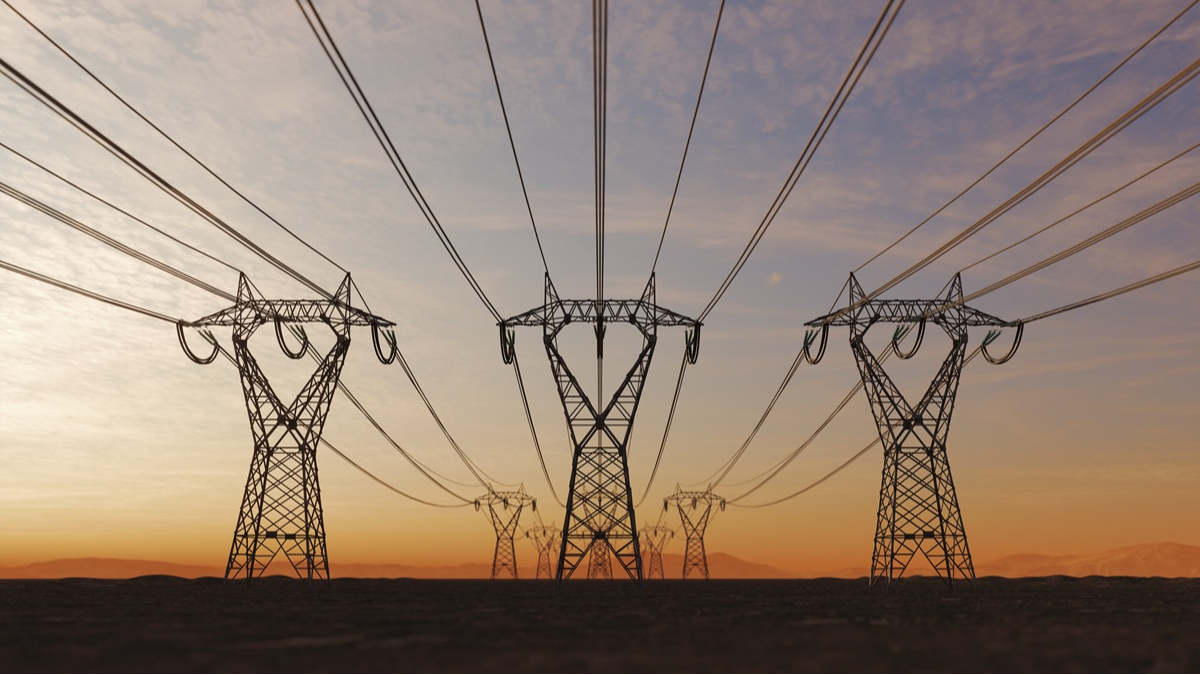
Russian drone strike kills two in Kyiv residential building as attacks cause widespread power outages. — Source: ukrainskapravda
Power Outages from Energy Infrastructure Attacks
The strikes left some consumers without electricity in Kyiv city and Kyiv, Volyn and Odesa oblasts. [2] Repair work following previous attacks on energy infrastructure continued in Ternopil and Khmelnytskyi oblasts. [2] Energy workers managed to restore power to most consumers who lost electricity due to the attacks. [2] The situation remained difficult in frontline and border regions, where continued attacks and hostilities caused new power outages in Zaporizhzhia, Kharkiv and Kherson oblasts. [2] Russia yet again struck Ukraine's energy infrastructure during this period, with the Ministry of Energy confirming the resulting outages for some consumers. [2]
Attacks on Other Regions
Russian forces attacked a critical infrastructure facility in Dnipro, with local Telegram channels reporting power cuts in the city. [1] Information about the number of casualties was being gathered at the time, and the threat to the city persisted with residents urged to remain in shelters until the all-clear. [1] Overnight, Russian forces struck transport infrastructure in Chernihiv and several critical infrastructure facilities in Volyn Oblast. [2] The attacks left more than 5,000 consumers in the Lutsk district without electricity. [2] Background reporting noted that Russia struck Ukraine's energy infrastructure yet again on the night of 20-21 October and the morning of 21 October. [1]
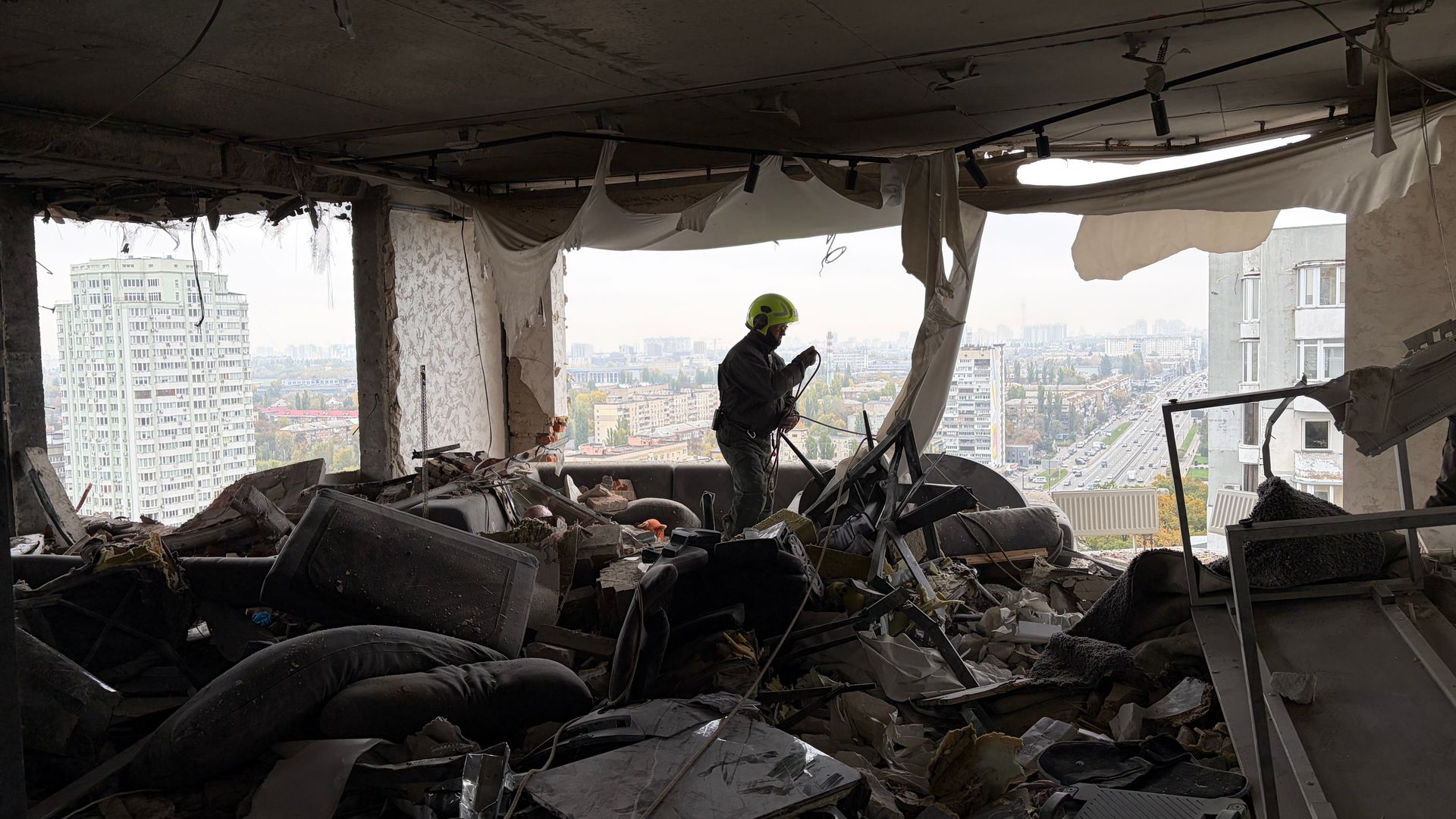
Russian drone strike damaged a 24-story residential building in Kyiv killing two people. — Source: kyivindependent
Russian Use of Mesh Networks in Drones
Mesh networking allows drones and other radio-equipped platforms to relay communications to one another, extending a control link beyond the range of a single radio. [4] It also allows live video footage to travel back through the network to the operator, who can see what the drone sees and adjust its flight in real time. [4] On Sept. 29, Russian forces released footage of a strike on the Inkom business center in Kyiv, showing an attack drone being controlled and transmitting video despite electronic warfare systems deployed throughout the city. [4] A Geran-5 jet-powered drone struck the business center while a second jet-powered Shahed circled above the site at an altitude of nearly three kilometers. [4] Equipped with a mesh radio, the second drone acted as a signal relay for the Geran-5 while simultaneously filming and immediately transmitting video of the attack. [4] Russian fixed-wing drones are now being fitted with mesh radios as an alternative to Starlink terminals. [4] Russian drones have been documented carrying the Chinese-made XK-F358 mesh radio. [4] In Russian operations, network chains begin with ground-to-air relay stations near the front line or along the borders with Russia and Belarus, with mesh-equipped drones relaying the connection from one aircraft to another. [4] The CEO of defense company Melrose Networks noted that the XK-F358 mesh radio can support networks of up to 63 hops. [4] In practice, the number of hops a network can support depends on the amount of data it needs to transmit, with each additional relay introducing delays and reducing the available data transmission rate. [4] A defense researcher at RAND explained that mesh networking allows Russian forces to operate drones two, three, maybe even four times further than would be possible over a direct radio link. [4] An analysis published by Calibre Defence indicated that a chain of mesh-controlled Gerans or other UAVs could maintain connectivity and live operator control up to 150–175 kilometers from the furthest ground control station. [4]
Context of Intensified Fall Attacks
This fall, Russian forces have intensified their attacks on Ukraine using jet-powered drones, which can reach speeds of up to 600 kph and fly at higher altitudes than older propeller-driven models. [3] These characteristics make the drones harder for Ukraine's limited air defenses to intercept. [3] Russia also attacked Kyiv with drones on Oct. 20, killing one person and injuring 21 others, with twelve people hospitalized and three in serious condition, according to Klitschko. [3] Alongside drone attacks, Russia has intensified strikes on Kyiv's energy infrastructure, leaving residents facing emergency blackouts, water disruptions and metro shutdowns caused by electricity shortages. [3] Mesh communications are helping turn these aircraft into a formidable threat capable of high-resolution reconnaissance and remotely operated precision strikes at unprecedented range. [4] A source in Ukraine's Defense Ministry stated that the drones are now operating essentially like FPV drones. [4] Adviser to the Ukrainian president on the development of defense technologies Serhii "Flash" Beskrestnov addressed questions about the technology by ruling out secret satellites, FPV drones launched from a Shahed, Russian agents or mysterious UAVs. [4]
What to watch next: Russian jet-powered drones using mesh networking technology have intensified attacks on Kyiv this fall, enabling precision strikes and live video transmission despite Ukrainian electronic warfare, while repair work from prior attacks continues in multiple oblasts alongside new outages in frontline regions.