
Russian Attack Destroys 250,000 Books in Kyiv Publishing Warehouse
Russian Assault on Kyiv Destroys Major Book Inventory
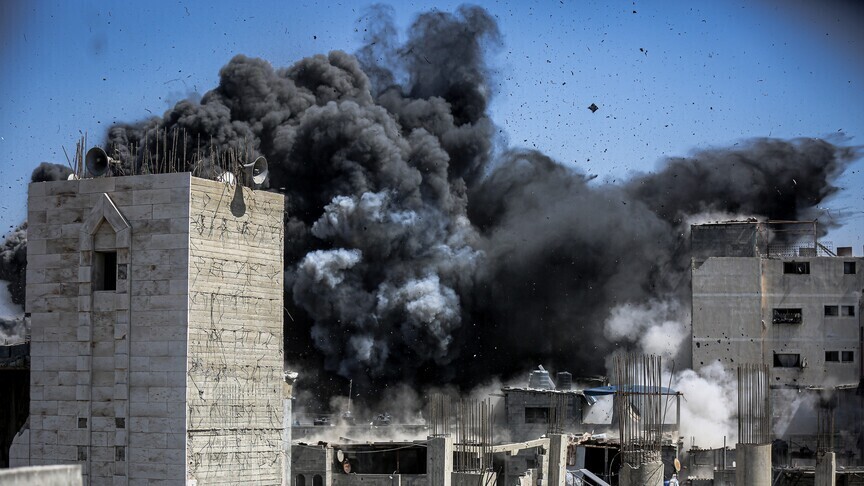
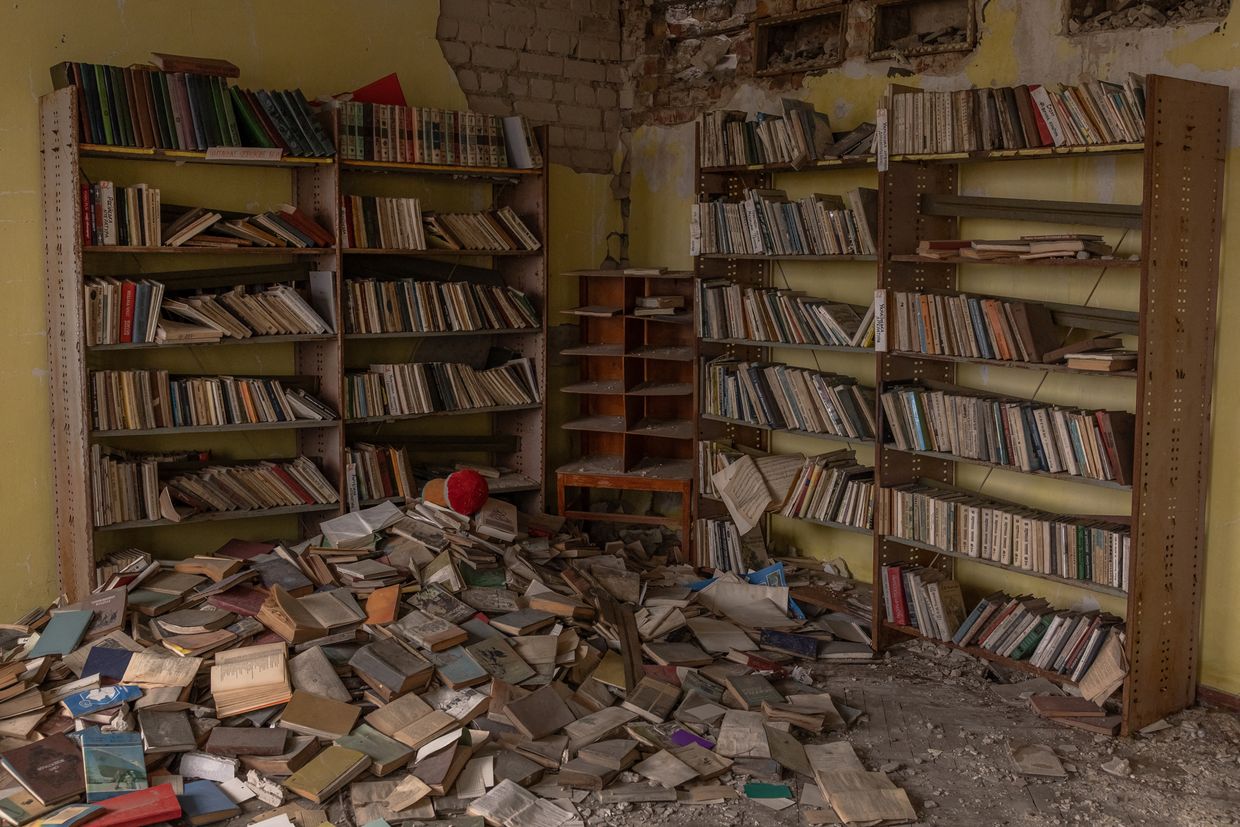
Russia launched a large-scale overnight attack on Kyiv that destroyed nearly 250,000 books in Knyholove's inventory. [1] The Ukrainian publishing house reported that its warehouse was destroyed in the overnight attack on July 19. [1] No employees of the publishing house were harmed in the attack. [1] Ukraine's Air Force reported that Russia deployed 125 drones, 25 ballistic missiles, 10 Zirkon hypersonic missiles, and six other missiles amid the large-scale attack, with most projectiles aimed at Ukraine's capital. [1] Officials reported that one person was killed and 17 others injured in the attack on Kyiv and surrounding regions. [1] Knyholove stated on social media that "Russia once again proves that it is waging a war not only against people, but also against Ukrainian culture, education, and our future." [1] The publishing house said it is working "to restore all processes as quickly as possible" while warning customers about "temporary" shipping delays following the strike. [1]
Pattern of Damage to Ukraine's Publishing Sector
The latest attack on a publishing house is just the latest business to face a major setback because of damages inflicted by Russian attacks. [1] Following a similar Russian attack on July 2, another publishing house, BookChef, said that 800,000 books were destroyed in the company's inventory when the central warehouse of their logistics partner was struck. [1] Ukraine's publishing industry previously overcame a major setback in 2024 when a Russian attack on Kharkiv, where nearly 80% of books in Ukraine are published, destroyed over 50,000 books in the Faktor Druk printing house. [1] Knyholove said they are working to restore all processes as quickly as possible while warning customers about temporary shipping delays following the strike. [1]
Ukraine's Violent Struggle to Mobilize Troops
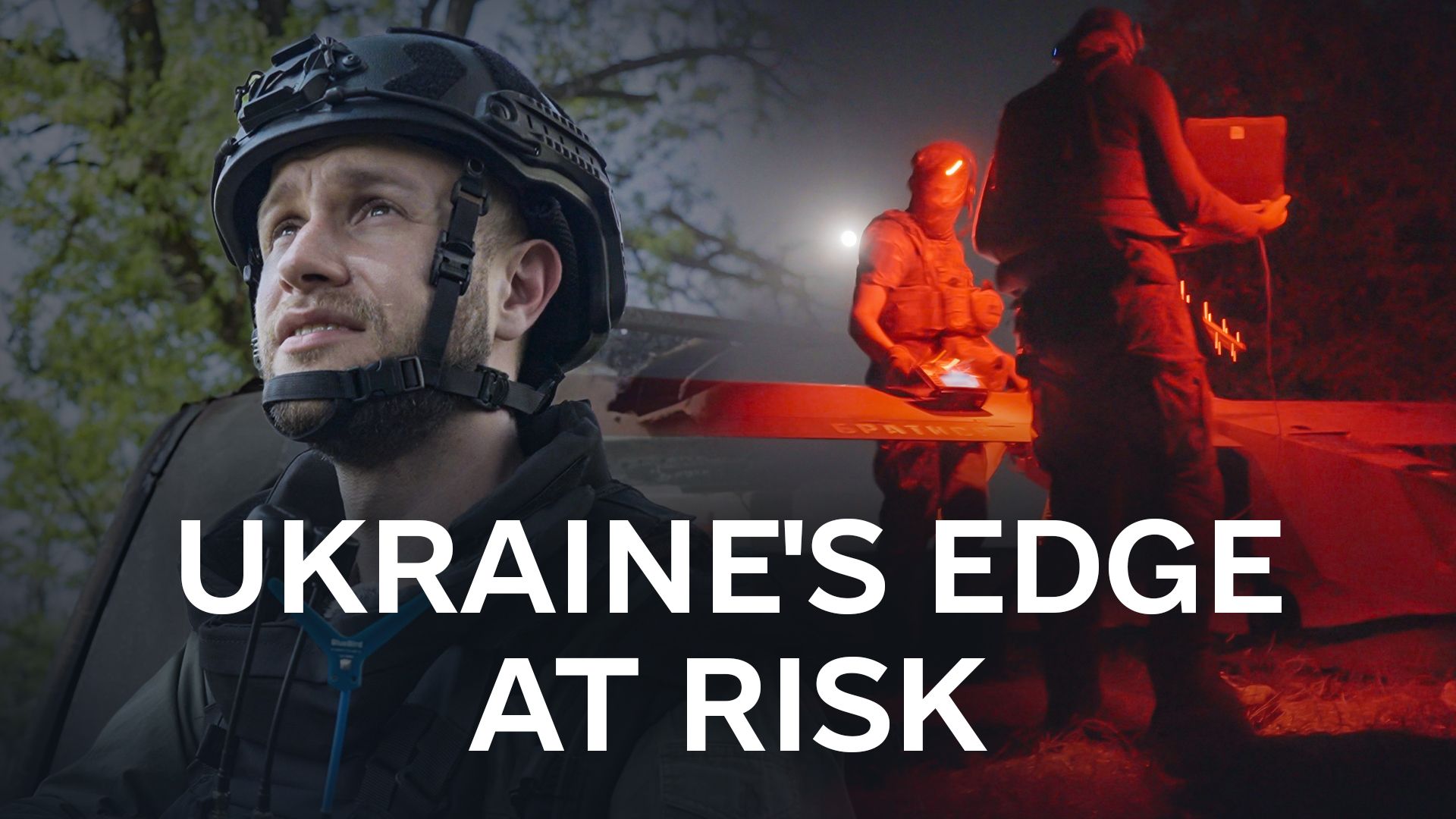
Ukraine's military ombudswoman says attacks on recruitment officers are now "regular" and "a major problem" as the country struggles to mobilise men to fight in the fifth, draining year of Russia's full-scale invasion. [2] The latest National Police Service report recorded more than 600 assaults on recruitment officers to date and warned that the aggression has become "increasingly threatening." [2] The first big alert came in April when several recruiters were stabbed, one fatally. [2] Then this month in Lviv, some 200 protesters surrounded officers attempting to detain a suspected draft dodger and smashed and overturned their car. [2] President Volodymyr Zelensky condemned violence against serving soldiers. [2] His controversial decision since then to sack Defence Minister Mykhailo Fedorov over a clash of character and vision with Ukraine's commander-in-chief means attempts to address the conscription crisis will stall. [2] Opposition MP Oleksandr Honcharenko blames the backlash on "brutal mobilisation" and says "These officers are hunting for people on the streets and sometimes using quite violent methods." [2] Military analyst Ivan Stupak recalls that Ukraine's high command had to refill losses so they started "busification," the term Ukrainians use for mobile patrols that end up with men bundled into buses and off to serve. [2] Ukraine's Human Rights Commissioner recorded more than 6,000 such complaints last year, double the 2024 tally, including claims of abuse and unlawful detention as well as poor conditions at recruitment centres. [2] In one case, university professor Kyrylo Ogdansky, who is exempt from the draft, was brutally beaten by recruiters in Dnipro last November despite objecting to a plain-clothes check without police present, and he spent two weeks in hospital with a suspected neck injury. [2] Serving soldier Vasyl Krupych was assaulted while out searching for draft dodgers and spent six weeks in hospital after being badly beaten with a crowbar. [2] Krupych says "Everyone is afraid to die" and notes that nobody volunteers. [2] In his six months as defence minister, Mykhailo Fedorov did start introducing reforms to tackle the growing crisis, including fixed-term contracts for new recruits with the option to defer further service and better salaries, especially for the riskiest roles, but it was an early work in progress and overhauling conscription was still on his to-do list when he was sacked. [2]
What to watch next: Knyholove continues efforts to restore operations amid ongoing shipping delays, while proposals to hand draft patrols over to police and provide better training remain under discussion following the defence minister's dismissal.