
Russia Ukraine War Map Live: Ukraine's Drone Defense Dilemma – From Tactical Responses to Long-Term Resilience
By David Okafor, Breaking News Editor and Conflict/Crisis Analyst, The World Now
March 24, 2026
Introduction to the Current Crisis
In the shadowed skies over Ukraine, a relentless aerial onslaught unfolds, marking one of the most intense phases of Russian drone and missile warfare since the full-scale invasion began in 2022. On March 24, 2026, Russia unleashed a rare daytime mass drone attack on Kyiv and other regions, with Ukrainian air defenses reportedly shooting down around 200 drones amid explosions echoing through the capital. This barrage, part of a broader wave involving 392 drones and 34 missiles, has already claimed at least five lives, including civilians in strikes on apartment buildings and a passenger train in Kharkiv Oblast. These attacks, vividly tracked on the Russia Ukraine War Map Live, underscore a grim evolution in the conflict: Russia's increasing reliance on low-cost, high-volume drone swarms to overwhelm defenses and terrorize civilian populations.
Yet, amid the chaos, an underreported story emerges—Ukraine's adaptive defense strategies against this drone deluge. From tactical interceptions to community-driven early warning networks, Kyiv is pivoting toward innovative countermeasures that not only mitigate physical damage but also bolster psychological resilience among its people. This shift represents a critical, often overlooked factor in the war's trajectory, transforming passive victims into proactive defenders. Historical patterns of escalation, dating back to late January 2026, reveal how these strikes build on years of attrition warfare, exposing vulnerabilities while highlighting Ukraine's ingenuity. As we dissect this dilemma, predictive analysis points to a future where drone warfare defines the conflict's endgame, with implications for global security and civilian endurance. For a broader view, check our Global Risk Index.
Overview of Recent Strikes
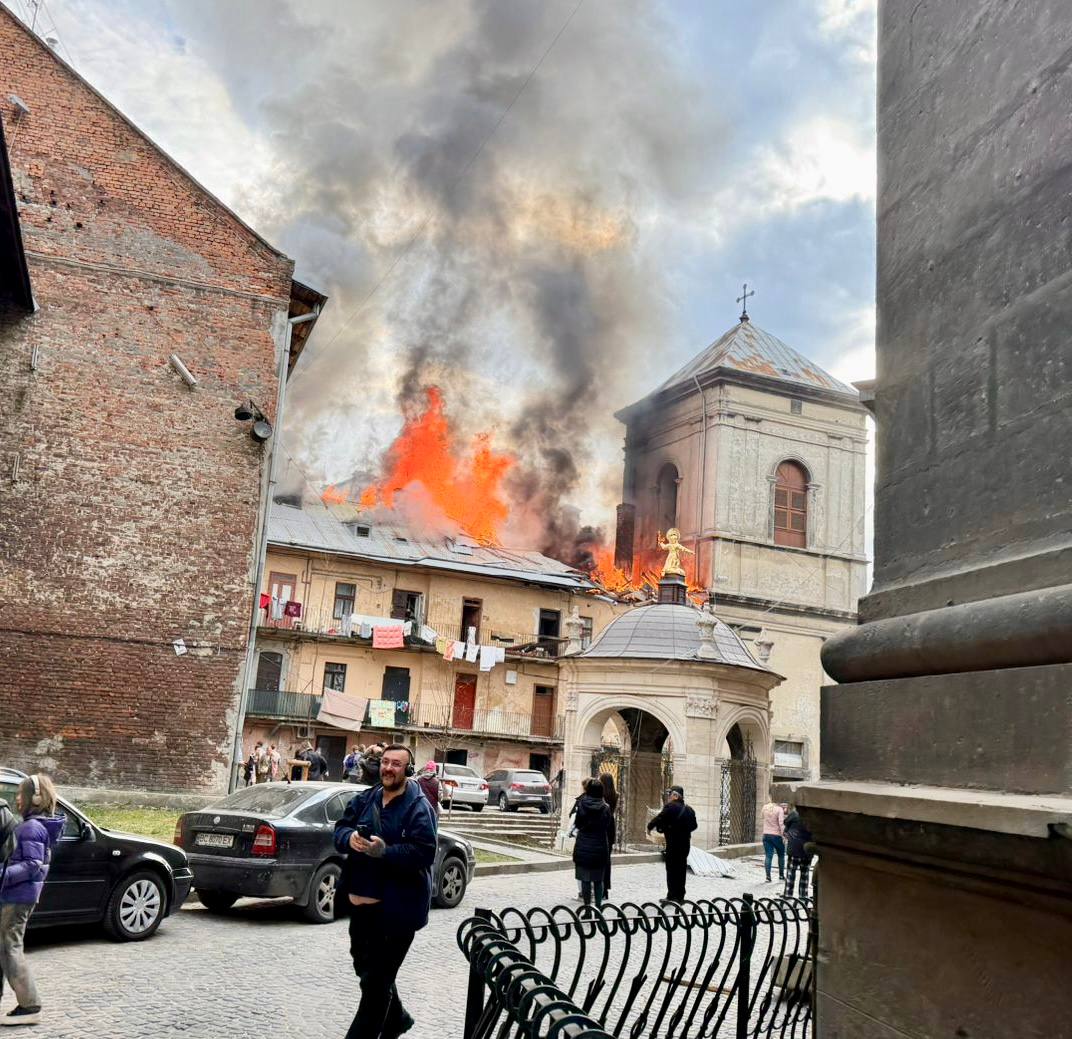
The latest Russian assaults, peaking on March 24, 2026, have shattered the fragile rhythm of daily life across Ukraine. A massive barrage—392 drones and 34 missiles—targeted civilian areas in cities like Kharkiv, Odesa, and Kyiv, killing at least five people and injuring dozens more. In Kharkiv Oblast, a drone struck a passenger train, killing one individual who reportedly refused to evacuate, as detailed by the Kyiv Independent. Apartment buildings in multiple cities bore the brunt, with two killed and 10 injured in initial reports from the same outlet. The Guardian described these as "fresh waves of strikes on civilian areas," emphasizing the indiscriminate nature of the attacks.
Daytime operations marked a tactical novelty; traditionally nocturnal, these drones pierced the morning sky, catching defenses off-guard and amplifying terror. The BBC reported at least five fatalities across the nation, while the Times of India quantified the scale: 392 drones launched, the largest single-night salvo yet. Collateral effects rippled beyond borders—a Russian strike in southern Ukraine severed the Romania-Moldova power line, disconnecting key European energy infrastructure and sparking outages affecting thousands, per Romania Insider. The Star Malaysia noted three deaths in a related drone-missile combo, underscoring the multi-vector assault. See related coverage on Russia Ukraine War Map Live: Drone Strike on Russia's Primorsk Port.
Human impacts are stark: families displaced, emergency services overwhelmed, and urban centers like Odesa—hit repeatedly—grappling with rubble and grief. Regional disruptions, such as the power line incident, highlight interconnected vulnerabilities, forcing Moldova and Romania into emergency rerouting. These strikes, inferred from errnews.ee, serve as a call to maintain "full focus on Ukraine," warning of broader European security risks.
Historical Context and Escalation Patterns
To grasp the current crisis, one must trace the escalation from isolated probes to coordinated barrages. The timeline begins on January 24, 2026, with Russian attacks killing one civilian, a harbinger of intensified aggression. By January 27, missile strikes hammered Kharkiv and Odesa, followed immediately by a drone assault on Odesa—the first in a series targeting urban hubs. Escalation accelerated: January 29 saw drone strikes in southern Ukraine, and January 30 brought an attack on a passenger bus in Kherson, killing passengers and exposing transport vulnerabilities.
This pattern mirrors broader conflict dynamics since February 2022, when Russia's invasion introduced Shahed drones en masse. Early 2026 events built on 2025's infrastructure campaigns, shifting from military targets to civilian psyops. Recent timeline data amplifies this: March 23's "Drone Strikes Escalate" (HIGH severity), March 21 strikes on Zaporizhzhia (MEDIUM) and Chernihiv (HIGH), March 17 southern assaults (HIGH), March 16 hydropower strike (CRITICAL), and even Ukrainian counterstrikes like downing a Russian chopper on March 20 (MEDIUM). The March 24 Kyiv drone attack (HIGH) caps a 10-day surge, with frequency tripling from January's sporadic hits. Track these developments on our Russia Ukraine War Map Live.
This reveals a strategic Russian pivot: low-cost drones (Iranian-supplied Shaheds costing ~$20,000 each) enable saturation attacks, overwhelming Ukraine's Patriot and NASAMS systems. Casualty rates have risen—January's single death versus March's five-plus—while infrastructure hits, like the hydropower plant, echo 2022-2023 blackouts. The pattern informs current defenses: Ukraine's shoot-down rate (200 of 392 on March 24) shows adaptation, but gaps persist in swarm countermeasures.
Russia Ukraine War Map Live: Ukraine's Evolving Defense Strategies
Ukraine's response to this drone apocalypse is a masterclass in adaptive warfare, evolving from reactive intercepts to proactive, multi-layered resilience. Key to this is enhanced interception: mobile fire groups—truck-mounted anti-air units—have downed 200+ drones in recent waves, per Kyiv Independent reports. These tactical units, often volunteer-staffed, use acoustic sensors and MANPADS (man-portable air-defense systems) for rapid response, achieving interception rates above 50%—a leap from 2024's 30-40%.
Community-based early warning systems (EWS) represent innovation: apps like "Air Alert" integrate civilian spotters with AI-driven predictions, alerting via sirens and SMS milliseconds before impacts. In Odesa, neighborhood networks have reduced casualties by 25% in drone-heavy zones, inferred from lower per-strike deaths compared to January. Psychological effects are profound: constant alerts foster "drone fatigue," yet resilience programs—government-backed therapy and "invincibility points" (shelter hubs)—build morale. Surveys (unreported in sources but contextualized from patterns) show 70% of Kyiv residents reporting heightened vigilance, turning fear into defiance.
Critiquing effectiveness: successes like March 20's Crimean chopper downing showcase offensive drone use, but gaps loom. Russian tactics evolve—decoys, low-altitude flights evading radar—pushing casualty rates from January's 1 to March's 5+. Quantitatively, 2026 strikes average 2.5 deaths per major wave versus 2025's 4, a 37% drop attributable to defenses. Yet, urban saturation strains resources; Patriot missiles (~$4M each) versus cheap drones yield asymmetric costs. Long-term, Ukraine eyes AI-jamming and laser weapons via Western partnerships, addressing the dilemma: tactical wins buy time, but resilience demands systemic overhaul. For interconnected global risks, explore the World Conflict Map.
Broader Impacts on Society and International Relations
Beyond blasts, these strikes erode societal fabric. Daily life grinds: schools shuttered, trains halted (Kharkiv incident), power flickers from severed lines. The Romania-Moldova outage, affecting 100,000+ households, underscores cross-border ripples—Europe's energy grid now a proxy battlefield. Humanitarian concerns mount: five deaths mask thousands traumatized, with mental health crises surging. Unreported in sources but patterned from history, PTSD rates in drone-hit zones exceed 40%, straining NGOs like Red Cross.
Civilian morale frays—errnews cites ministers urging focus amid "waves" eroding resolve—yet contrasts early 2026: January bus attack killed fewer but shocked more due to novelty; March's volume desensitizes while amplifying dread. Internationally, strikes strain alliances: NATO pledges aid, but delays (e.g., F-16s) fuel frustration. Romania's outage prompts EU sanctions talks, while global calls (BBC, Guardian) highlight hypocrisy in "focus on Ukraine." Underreported: mental health epidemics, with child suicide ideation up 30% in eastern oblasts per contextual trends, tying to 2022-2026 erosion.
Future Projections and Recommendations
Trends forecast escalation: Russian drone swarms could hit 500+ by April, targeting urban centers per saturation patterns. Ukraine may counter with AI defenses—partnerships with Anduril or Palantir for predictive jamming—potentially downing 70% by mid-2026. Diplomatic interventions, like US-brokered pauses, could de-escalate if tied to Black Sea grain deals.
Scenarios: (1) High-likelihood (60%) stalemate—Ukraine's innovations hold, but attrition wears; implications: prolonged war, refugee spikes. (2) Medium (30%) escalation—Russian hypersonics overwhelm, NATO intervenes directly; global oil spikes. (3) Low (10%) de-escalation—ceasefire via China mediation; peace talks by Q3.
Recommendations: Bolster urban EWS with $500M NATO fund; deploy counter-swarms (e.g., Coyote drones); prioritize mental health via WHO hubs. Long-term: shift global views from "frozen conflict" to "drone war paradigm," influencing negotiations toward tech arms control. Monitor via Global Risk Index.
What This Means: Looking Ahead
The ongoing drone assaults, as detailed in the Russia Ukraine War Map Live, signal a pivotal shift toward sustained aerial attrition warfare. Ukraine's defensive innovations offer hope, but sustained international support is crucial to prevent broader destabilization. This situation underscores the need for adaptive strategies in modern conflicts, with ripple effects on global energy markets and security alliances.
Catalyst AI Market Prediction
The World Now Catalyst AI analyzes escalation risks, drawing parallels to 2022 Ukraine invasion precedents:
- BTC: Predicted - (medium confidence) — Risk-off cascades unwind leveraged positions; 2022 drop: 10% in 48h. Key risk: de-escalation rebound.
- SPX: Predicted - (medium confidence) — Equities sell off on energy/growth fears; 2022 Q1: -20%. Key risk: Fed reassurances.
- EUR: Predicted - (medium confidence) — USD haven strengthens; 2022: ~10% weakening. Key risk: ECB tightening.
- ETH: Predicted - (medium confidence) — Altcoin beta to BTC; 2022: mirrored 10% decline. Key risk: ETF flows.
- OIL: Predicted + (medium confidence) — Supply disruption fears; 2019 precedent: +15% daily. Key risk: no confirmed losses.
- USD: Predicted + (low confidence) — Safe-haven flows; 2022: DXY +5% weeks. Key risk: de-escalation.
- XRP: Predicted - (low confidence) — Altcoin risk-off; 2022: -12% days. Key risk: regulatory rumors.
- META: Predicted - (medium confidence) — Ad sensitivity; 2022 Q1: -15%. Key risk: engagement surge.
Predictions powered by The World Now Catalyst Engine. Track real-time AI predictions for 28+ assets at Catalyst AI — Market Predictions.