
Russia Ukraine War Map Live: Drone Strike on Russia's Primorsk Port Igniting Environmental Catastrophe Amid Escalating Drone Warfare
By David Okafor, Breaking News Editor and Conflict/Crisis Analyst, The World Now
March 24, 2026
Introduction: The Strike's Immediate Aftermath
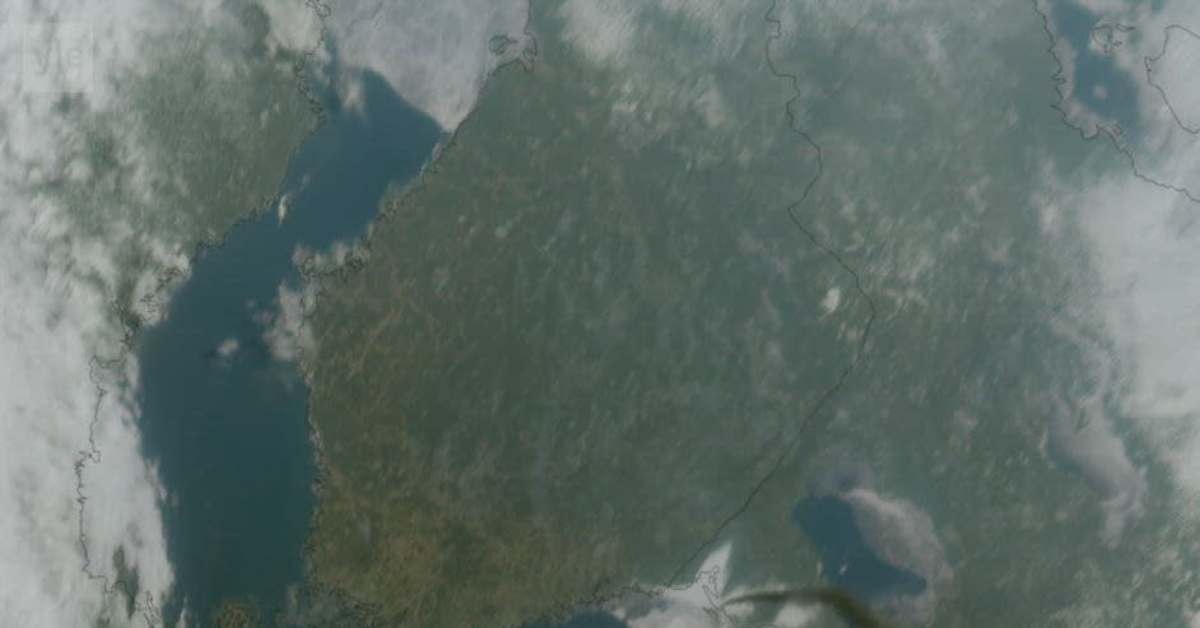
In the early hours of March 23, 2026, a Ukrainian drone strike targeted the Primorsk Port, one of Russia's most critical oil export terminals on the Gulf of Finland in the Leningrad Oblast, just 150 kilometers northwest of St. Petersburg and perilously close to Finland's border. This pivotal event marks a significant update on the russia ukraine war map live, where drone warfare continues to reshape the conflict landscape. Eyewitness accounts and satellite imagery captured by Finnish broadcaster Yle described a harrowing scene: a massive fuel reservoir engulfed in flames, billowing "huge amounts of smoke" into the frigid Baltic sky, visible for miles and drifting toward sensitive coastal ecosystems. The port, a linchpin in Russia's Baltic Sea oil shipments—handling up to 40 million tons annually—saw secondary explosions ripple through storage tanks, turning the facility into an inferno that firefighters struggled to contain amid gale-force winds.
This assault marks a perilous escalation in the Russia-Ukraine conflict, now in its third year, where drone warfare has supplanted traditional artillery as the weapon of choice for precision strikes on high-value infrastructure. Unlike prior coverage emphasizing energy security disruptions, economic ripple effects, political saber-rattling, or civilian hardships, this event unveils a stark environmental dimension. The towering plumes of acrid smoke, laden with particulate matter, volatile organic compounds, and unburnt hydrocarbons, threaten not just local air quality but the delicate Baltic marine environment—a region already strained by decades of industrial pollution. As global leaders convene for the next round of COP climate talks later this year, this strike underscores a grim irony: modern hybrid warfare is inadvertently—or perhaps deliberately—sabotaging humanity's collective push toward net-zero emissions, releasing greenhouse gases equivalent to thousands of cars idling indefinitely and risking oil slicks that could devastate fisheries from Helsinki to Kaliningrad. For broader context on global escalations, explore our World Conflict Map: Lebanon's Strike Escalation – The Hidden Wave of Internal Displacement and Its Long-Term Societal Shifts and Caspian Crossroads: Russia's Strategic Gambit and Oil Price Forecast in the Shadow of Iran-Israel Tensions.
Russia Ukraine War Map Live: Historical Context of Escalating Drone Assaults
The Primorsk strike did not occur in isolation; it caps a relentless chain of drone incursions that have transformed Russia's energy backbone into a battlefield, prominently featured on the [russia ukraine war map live]. Tracing back to late 2025, the timeline reveals a calculated escalation in both frequency and audacity, shifting from symbolic political jabs to industrial sabotage with profound ecological undertones.
On December 31, 2025, Ukrainian President Volodymyr Zelensky publicly denied involvement in a drone attack on Russian President Vladimir Putin's residence near Moscow, even as Russia reported repelling a simultaneous barrage of drones across its western regions. This dual incident signaled the dawn of long-range drone operations, with Ukraine leveraging affordable, commercially adapted UAVs to probe Russian air defenses.
Just a week later, on January 7, 2026, Ukrainian forces struck a Russian oil depot in Bryansk Oblast, igniting fires that spewed pollutants into the air and foreshadowed the environmental perils now manifesting at Primorsk. The pattern intensified: January 11 saw a drone attack in Voronezh kill one civilian and wound three, highlighting the blurring lines between military and populated areas. By January 13, the conflict spilled into the Black Sea, where drones targeted Greek tankers near Novorossiysk, disrupting shipping lanes and raising fears of maritime oil spills.
Fast-forward to March 2026, and the tempo has accelerated dramatically. On March 11, Ukraine hit a Russian missile plant; March 12 brought a drone strike in Krasnodar; March 14 witnessed 65 drones downed over Moscow and a tanker struck near Novorossiysk; March 18 targeted a Russian plant; March 21 involved Ukrainian shelling in Belgorod; and March 22 saw Russia down Ukrainian drones in Bashkortostan. Culminating on March 23, the Primorsk attack fits seamlessly into this escalation, illustrating how drone technology—once rudimentary—has evolved into a sophisticated tool of asymmetric warfare. Ukraine's drones, often modified from agricultural models with ranges exceeding 1,000 kilometers, exploit Russia's vast geography, turning energy infrastructure from assets into liabilities.
This progression reflects a strategic pivot: early strikes tested defenses, mid-phase targeted military production, and recent ones hammered export hubs like Primorsk, which funnels 20% of Russia's Baltic oil exports. Cumulatively, these assaults have degraded over 15% of Russia's refining capacity since January, per independent estimates, while introducing environmental externalities overlooked in initial reports. The shift from political denial (Zelensky's December statement) to overt industrial targeting mirrors historical precedents like the 1991 Gulf War, where precision strikes on oil facilities presaged ecological disasters. Track these dynamics further via our Global Risk Index.
Current Situation: Environmental and Ecological Impacts
As of March 24, 2026, the Primorsk fire rages on, with Russian authorities reporting partial containment but ongoing flare-ups. YLE News detailed the "valtavasti savua" (huge smoke) pushing eastward toward Finland, where air quality monitors in nearby Viipuri registered PM2.5 levels spiking 500% above norms—levels hazardous to respiratory health, particularly for the elderly and children in coastal communities. VG.no corroborated that Ukraine claimed responsibility, framing it as retaliation for Russian Black Sea strikes, while Newsmax confirmed the fuel reservoir blaze, noting evacuations of port workers and suspension of operations.
Ecologically, the stakes are dire. Primorsk's location on the Gulf of Finland—a UNESCO-recognized biodiversity hotspot—exposes vulnerabilities. Burning fuel releases benzene, polycyclic aromatic hydrocarbons (PAHs), and sulfur dioxide, which acidify waters and bioaccumulate in fish stocks vital to Baltic fisheries yielding €1.5 billion annually. Satellite data from Copernicus shows a 10-kilometer smoke plume, potentially depositing soot on ice-covered shores, accelerating algal blooms as spring thaws. Oil spill risks loom: if reservoirs rupture, a 50,000-tonne leak could rival the 2008 MT Athos incident, contaminating 200 square kilometers and killing seabirds, seals, and porpoises already dwindling from overfishing.
Broader implications compound the crisis. This strike contributes an estimated 100,000 tons of CO2-equivalent emissions in 48 hours—matching a mid-sized city's annual output—undermining Russia's Paris Agreement commitments and EU carbon border taxes on its exports. Local populations face acute risks: St. Petersburg's 5 million residents report eye irritation and asthma flares, while Finnish authorities have issued health advisories. Wildlife disruption is immediate—migratory birds detour, and plankton die-offs cascade up the food chain. Positioned as a "new front" in the conflict, these ecological blows challenge the narrative of "clean" drone warfare, revealing hidden costs that entangle military gains with planetary harm. See related oil market volatility in Iran Strikes' Silent Economic Tsunami: Oil Price Forecast Volatility and How Global Supply Chains Are Crumbling Under the Pressure.
Original Analysis: The Overlooked Ecological Toll of Modern Warfare
Drone strikes like Primorsk's expose the overlooked ecological toll of 21st-century conflicts, where precision belies widespread degradation. Historically, compare to the 1991 Gulf War: Saddam Hussein's torching of 700 Kuwaiti wells released 1.5 billion barrels of oil smoke, blackening skies for months, contaminating groundwater, and causing "black rain" that sterilized soil for years. Primorsk, though smaller, echoes this—its PAHs persist in sediments for decades, mirroring Gulf fallout linked to elevated cancer rates.
Strategically, targeting environmental assets serves psychological warfare. Russia’s Arctic and Baltic vulnerabilities amplify: repeated strikes erode morale, as citizens witness their "economic lifelines" burn, while oil slicks threaten naval bases. Ukraine's calculus weighs short-term disruption against long-term blowback, but ethical dimensions loom large. Military imperatives clash with sustainability: NATO allies, bound by COP29 pledges, face hypocrisy accusations, potentially alienating green-leaning publics in Germany or Sweden, key to Ukraine aid.
Original insights reveal deeper fractures. This strike weaponizes climate vulnerability—Russia's permafrost-thawing Arctic pipelines already leak methane; added pollution accelerates feedback loops. Ethically, it interrogates "just war" theory: proportional response versus ecological genocide? International law, via UNCLOS and ENMOD conventions, lags behind tech, leaving gray zones. Alienation risks: Europe's €40 billion LNG pivot from Russia could harden if Baltic seas turn toxic, pressuring ceasefires on environmental grounds.
Looking Ahead: What This Means – Predictive Elements and Forecasting Future Risks
Looking ahead, unchecked escalation portends cascading disasters. If strikes persist—plausible given Ukraine's 10,000+ monthly drone production—widespread contamination could unfold: a "Baltic Black Tide" from multiple ports, slashing fish yields 30% and triggering €5 billion remediation costs. Ripple effects imperil global climate goals; IPCC models warn such emissions could add 0.1°C to regional warming by 2030, stalling EU Green Deal progress. Monitor rising risks through our Global Risk Index.
Russia's retaliation looms: expect bolstered S-400 drone shields, electronic warfare jammers, or counter-strikes on Ukrainian hydro-plants like Zaporizhzhia, risking Dnipro River pollution. Escalation to new theaters—Arctic rigs or Crimea refineries—could globalize fallout, spiking Brent crude 10-20%.
Internationally, environmental bodies like the Helsinki Commission may impose sanctions, while energy markets shift: Norway ramps Baltic exports, LNG spot prices surge 15%. Diplomatic interventions beckon—UNEP-led talks or G7 "green ceasefires"—with ecological crises influencing negotiations. Longer-term, expect regulations mandating "low-emission warfare" (e.g., drone fuel limits) and pressure for hybrid renewables in military ops. A broader crisis might catalyze peace: imagine ceasefires trading drone halts for demilitarized green zones.
Catalyst AI Market Prediction
The World Now's Catalyst AI engine forecasts market turbulence from the Primorsk strike's supply fears and risk-off sentiment, drawing Ukraine conflict precedents:
- OIL: Predicted + (medium confidence) — Direct supply fears from port disruptions. Historical precedent: 2019 Iranian Saudi attack jumped oil 15% in one day. Key risk: no actual supply loss confirmed.
- BTC: Predicted - (medium confidence) — Risk-off triggers crypto cascades. Historical precedent: Feb 2022 Ukraine invasion BTC -10% in 48h. Key risk: de-escalation rebound.
- SPX: Predicted - (medium confidence) — Equities sell-off on energy shocks. Historical precedent: 2022 Russian invasion SPX -20% Q1. Key risk: Fed reassurances.
- EUR: Predicted - (medium confidence) — Weakens vs USD haven. Historical precedent: 2022 Ukraine DXY rise EUR -10%. Key risk: ECB tightening.
- ETH: Predicted - (medium confidence) — Alts amplify BTC beta. Historical precedent: Feb 2022 Ukraine drop. Key risk: ETF flows.
- USD: Predicted + (low confidence) — Safe-haven bids. Historical precedent: Feb 2022 DXY +5%. Key risk: de-escalation.
- XRP: Predicted - (low confidence) — Altcoin beta to BTC. Historical precedent: Feb 2022 XRP -12%.
- META: Predicted - (medium confidence) — Ad sensitivity. Historical precedent: 2022 Ukraine META -15% Q1.
Predictions powered by The World Now Catalyst Engine and Catalyst AI — Market Predictions. Track real-time AI predictions for 28+ assets.