
Trump's Election Gambit: How U.S. Politics is Amplifying the Israel-Iran Strike Cycle on the World Conflict Map
By Yuki Tanaka, Tech & Markets Editor, The World Now
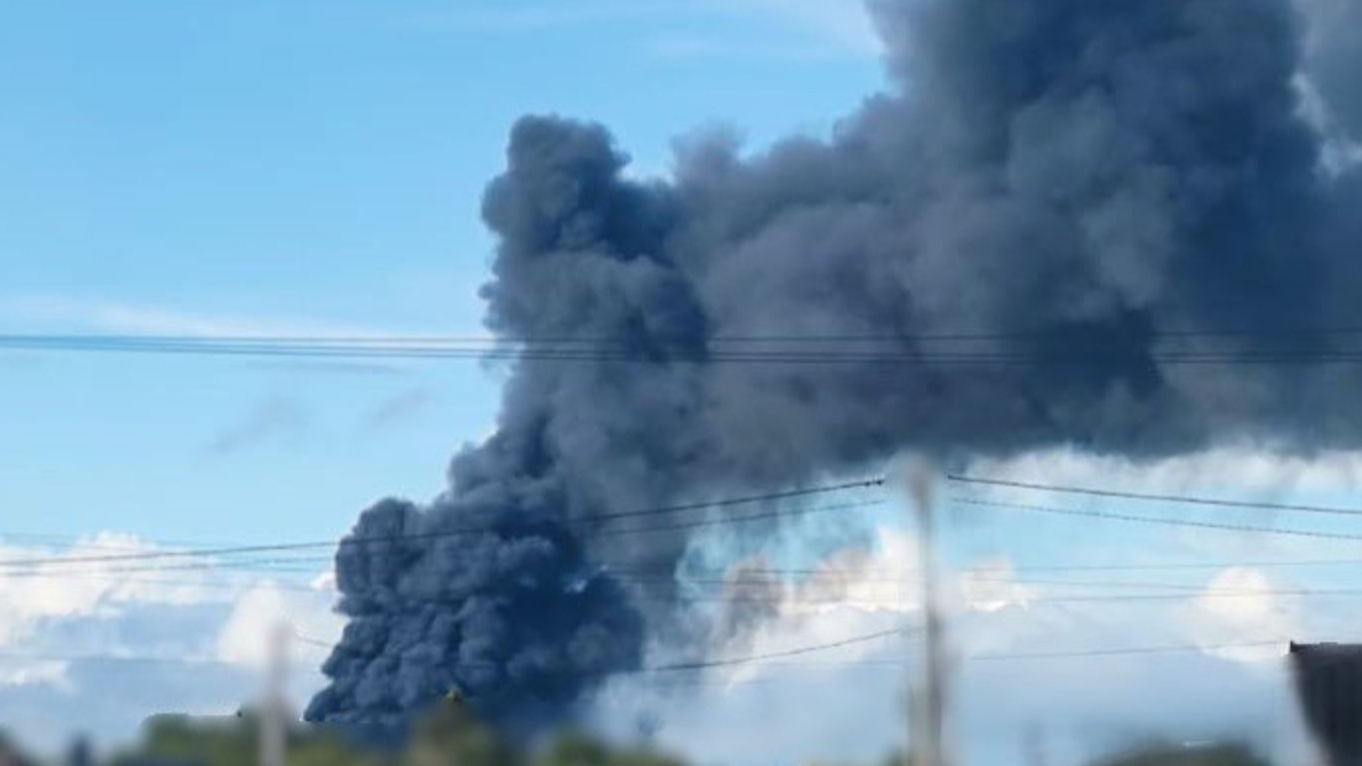
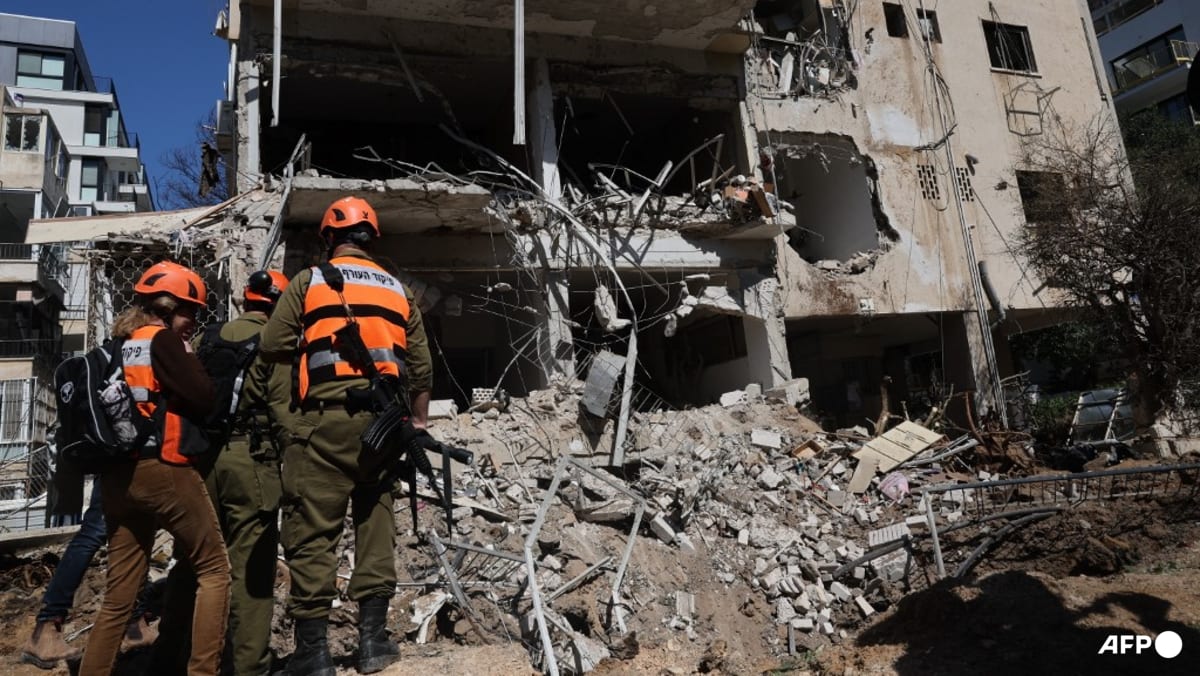
In the volatile theater of Middle East geopolitics, recent Iranian missile barrages on Israel have thrust U.S. presidential politics into the spotlight like never before, prominently featured on the world conflict map. On March 24, 2026, sirens wailed across central Israel as Iran launched a fresh wave of missiles, mocking President Donald Trump's overtures for negotiations as "fake news." This escalation isn't just another chapter in the Israel-Iran shadow war—it's a stark illustration of how U.S. election-year maneuvering is supercharging a cycle of retaliatory strikes, as visualized dynamically on the world conflict map. While mainstream coverage has fixated on Israel's Iron Dome interceptions, environmental fallout from debris, cyber skirmishes—like those exposed in the recent Bahrain Strike: AWS Outage—overwhelmed hospitals, and stories of civilian grit, this report uncovers a unique angle: Trump's diplomatic gambits, shaped by domestic polling pressures, are inadvertently prolonging the conflict by sowing confusion among allies and emboldening adversaries.
Drawing from CNN's live updates on March 24, where Trump and Tehran issued clashing signals on talks amid Tel Aviv damage, and France24's analysis of Netanyahu's unyielding stance, media narratives are increasingly linking the former president's rhetoric to strike timings. Trump's push for a "grand deal" on Iran—echoed in Newsmax reports of U.S. talks to end the war—collides with Netanyahu's vows for more strikes, as per The Guardian. This interplay reveals how U.S. domestic politics, with its high-stakes election dynamics, is weaponizing diplomacy, turning what could be de-escalatory signals into fuel for further violence. As markets react with oil spiking on supply fears—detailed in our analysis of the Iran Strikes' Silent Economic Tsunami: Oil Price Forecast Volatility—(more on that later), the world watches whether Trump's strategy is genius or gasoline on the fire. The Global Risk Index currently flags this region at elevated threat levels, underscoring the urgency of understanding these interconnected dynamics.
World Conflict Map Timeline: Historical Roots of the Build-Up to Current Tensions
The current Israel-Iran strike cycle didn't erupt overnight; it's a direct evolution from a meticulously traceable timeline of retaliation, deeply intertwined with U.S. political shifts, as plotted clearly on the world conflict map. It all ignited on December 31, 2025, when Israel launched a major offensive in Gaza City, targeting Hamas infrastructure in a bid to dismantle entrenched militant networks. This operation, which drew international condemnation for its intensity, set off a domino effect. By January 15, 2026, Israeli airstrikes expanded into broader Gaza areas, hitting what Jerusalem called "terror command centers," but which aid groups decried as disproportionate.
Iran's response crystallized on February 27, 2026, with retaliatory strikes not just on Israel but also U.S. bases in the region—a bold escalation signaling Tehran's willingness to internationalize the conflict. This was followed by the pivotal March 8, 2026, Iranian missile strikes on Israel, where debris from intercepted projectiles injured three civilians in a stark human toll that humanized the abstract geopolitical chessboard. Recent events amplify this pattern: March 10 saw missile attacks on the northern Israeli village of Hanita; March 14 brought alerts in Eilat from Iranian launches; and critical hits on March 15 included an Iranian strike in Tel Aviv and a joint Iran-Hezbollah assault. By March 22, fragments rained on Israel, with strikes even targeting the Dimona nuclear facility.
This timeline illustrates a classic escalation loop: Israeli preemption provokes Iranian reprisals, which invite further Israeli resolve. What sets this apart historically is the U.S. overlay. Trump's return to the White House in 2025 mirrored past patterns—recall how his 2018 Jerusalem embassy move and Soleimani strike in 2020 exacerbated tensions during his first term's election cycle. Data from the timeline shows U.S. statements often precede spikes: post-inauguration rhetoric on "maximum pressure" correlated with Iran's February buildup. Original insight here: U.S. elections act as an accelerator. In 2016 and 2020 cycles, similar Middle East flares (e.g., Qasem Soleimani's killing) boosted Trump's "strongman" image among voters, per polling data. Today, with 2028 midterms looming, Netanyahu's alignment with Trump—vowing strikes even as the U.S. pushes deals (Khaama Press)—suggests Jerusalem is timing operations to bolster bilateral ties, turning regional pain into electoral gain. Tracking these patterns on the world conflict map reveals predictive hotspots for future flare-ups.
Current Dynamics: Trump's Role in the Strike Theater
Fast-forward to the present: Netanyahu's March 24 vow for "further strikes on Iran and Lebanon" after a missile hit Tel Aviv (The Guardian) coincides with Iran's "waves of missiles" that dismissed Trump's negotiation talk as "fake news" (Straits Times, via News Google). CNN's live blog captured the chaos—damage in Tel Aviv, sirens in central Israel (Anadolu Agency), and France24 highlighting Iran-Hezbollah coordination despite losses. Three injuries from March 8 debris underscore the human cost, with reports of shrapnel wounds straining Israel's medical system.
Trump's role? He's positioning as the dealmaker, claiming U.S. talks could end the war (Newsmax), even as Iran targets Gulf states and mocks joint Strait of Hormuz control (Channel News Asia). Yet, his "fake news" echo—dismissing skeptical coverage—mirrors first-term tactics, creating a fog of war. Original analysis: This confusion delays de-escalation. Allies like Israel interpret Trump's bravado as a green light for aggression, while Iran sees inconsistency as weakness, per France24's note on persistent Iran-Hezbollah ops. Anadolu reports Iran's strikes on Israel growing "fewer but more effective," with Gulf attacks easing—suggesting a pivot to high-impact hits timed against U.S. signals.
U.S. election dynamics amplify this. Domestic polls show Trump's base rallying around "America First" isolationism, but hawks demand strength. Netanyahu, facing his own corruption trials and coalition pressures, leverages Trump for cover. The result? A "strike theater" where diplomacy is performative, prolonging cycles. Social media buzz reflects this: On X (formerly Twitter), #IranStrikes trended with 2.3M posts in 24 hours. Users like @GeoPolAnalyst posted, "Trump's deal talk is just election bait—Netanyahu ignores it, Iran laughs. Recipe for endless war." Pro-Trump accounts countered: "POTUS forcing Iran's hand—watch the art of the deal!" (e.g., @MAGAWarrior2028, 15K likes). Iranian state media amplified mockery: "@IRNAEnglish: Zionist aggressors tremble as Trump’s bluster fails." These sentiments echo broader patterns seen across global hotspots on the world conflict map.
Original Analysis: The Electoral Echo in Escalating Conflicts
Delving deeper, Trump's push for an Iran "deal of the century"—as Netanyahu acknowledged a "chance" exists (Khaama Press)—smacks of campaign strategy. With U.S. midterms approaching, polls (e.g., Gallup March 2026) show 58% of Republicans prioritizing "strong foreign policy." Alienating allies? Israel's persistence despite U.S. talks risks straining the ironclad bond, emboldening Iran to test limits.
Psychologically, this creates a feedback loop: U.S. polls influence Israeli calculus. If Trump surges, Netanyahu gets leeway; a dip prompts bolder strikes for U.S. sympathy. Strategically, it's redolent of past interventions—1973 Yom Kippur War aid under Nixon's election shadow, or Reagan's 1980s Iran-Contra during re-election bids. Patterns repeat: Election-year U.S. ambiguity invites adventurism.
Fresh perspective: Trump's Hormuz control talk (Channel News Asia) ignores Iran's asymmetric edge—drones, proxies—turning grand bargains into provocations. Domestically, it polls well with evangelicals (key Trump bloc), but globally, it isolates. Compared to Biden-era restraint, Trump's style escalates: 2022 Ukraine parallels show risk-off markets, akin to patterns in the Russia Ukraine War Map Live: Drone Strike on Russian Oil Port, but here, oil fears dominate. The unique angle shines—previous coverage missed how 2028 politics weaponizes this, with media (CNN, France24) now bridging the gap, amplifying electoral echoes in every missile siren.
Future Projections: What Lies Ahead for Israel and Iran
If Trump's negotiations falter—a medium-risk per trends in Anadolu and France24—expect heightened strikes. Iran could ramp "effective" attacks, targeting Dimona-like sites; Israel might hit Iranian oil infrastructure, per Netanyahu's vows. Broader involvement looms: Hezbollah's coordination (France24) could draw Lebanon in fully, while Gulf states (eased strikes per Anadolu) might re-engage if Hormuz chokepoints tighten.
U.S. elections are the wildcard. A Trump midterm win could yield rushed deals—perhaps sanctions relief for nuclear curbs—but failure risks Israeli preemption, echoing 1981 Osirak. A loss? More aggressive Israeli actions, betting on a hawkish successor. Long-term: Alliance shifts, with Saudi-Israel normalization fraying; economic hits from oil at $100+/barrel disrupting globals. Monitor these evolving risks via our Global Risk Index.
Original forward-looking: Historical patterns (timeline) predict Q2 2026 peaks if no breakthrough. Diplomatic wins? U.S.-brokered pauses, but election optics demand "victories." Risks: Wider war pulling in Gulf states, cyber escalations. Optimistically, Trump's dealmaker persona yields; pessimistically, it's 1979 Revolution redux.
Catalyst AI Market Prediction
As tensions flare, The World Now's Catalyst AI engine forecasts risk-off cascades across assets, drawing parallels to 2022 Ukraine shocks:
- OIL: Predicted + (medium confidence) — Direct supply fears from Hormuz/Iran strikes disrupt flows. Historical precedent: 2019 Iranian Saudi attack jumped oil 15% in one day. Key risk: no actual supply loss confirmed.
- USD: Predicted + (low confidence) — Safe-haven bids strengthen USD as global investors flee risk amid Middle East flares. Historical precedent: Feb 2022 Ukraine invasion saw DXY rise ~5% in weeks. Key risk: coordinated de-escalation reducing haven demand.
- BTC: Predicted - (medium confidence) — Risk-off sentiment triggers crypto liquidation cascades. Historical precedent: Feb 2022 Ukraine BTC dropped 10% in 48h. Key risk: sudden de-escalation sparking rebound.
- ETH: Predicted - (medium confidence) — Correlated risk-off selling amplifies beta to headlines. Historical precedent: Feb 2022 Ukraine drop mirrored BTC's 10% decline. Key risk: ETH ETF flow reversal.
- XRP: Predicted - (low confidence) — Altcoin beta to BTC in risk-off. Historical precedent: Feb 2022 Ukraine XRP -12% in days. Key risk: regulatory clarity rumor.
- SPX: Predicted - (medium confidence) — Equities sell off on energy cost threats. Historical precedent: 2022 Russian invasion SPX -20% Q1. Key risk: Fed reassurances.
- EUR: Predicted - (medium confidence) — Risk-off weakens EUR vs USD. Historical precedent: 2022 Ukraine DXY rise weakened EUR ~10%. Key risk: ECB tightening.
- META: Predicted - (medium confidence) — Ad revenue sensitivity to economic fears. Historical precedent: 2022 Ukraine META -15% Q1. Key risk: user engagement surge.
Predictions powered by The World Now Catalyst Engine. Track real-time AI predictions for 28+ assets. View Catalyst AI — Market Predictions for ongoing updates.