US strikes Iranian sites in self-defense after attacks on Navy destroyers
US and Iranian forces have exchanged military strikes, with the US launching attacks on Iranian sites while maintaining that a ceasefire is still in effect.[1][5] Iran has accused the US of violating the ceasefire by targeting Iranian vessels and coastal areas,[1] amid a conflict now on its 69th day that includes new US attacks on Iranian ports and Tehran's retaliatory fire.[2] Three US Navy destroyers came under fire in the Strait of Hormuz but sustained no damage, with the attackers reportedly destroyed,[4] as US officials described their strikes as self-defense following Iranian targeting of US vessels.[5]
Overview of Recent Exchanges
The ongoing military interactions between US and Iranian forces have escalated into a series of exchanges centered around key maritime chokepoints like the Strait of Hormuz.[3] Recent reports detail US military strikes on sites in Iran occurring as both nations traded attacks,[3] with Iranian forces firing on three US Navy destroyers in the Strait of Hormuz.[4] These destroyers reported no damage, and the Iranian attackers were subsequently destroyed, according to statements from former President Donald Trump.[4] This incident fits into a broader pattern where US forces responded to provocations, launching self-defense strikes after Iran targeted Navy destroyers.[5] The exchanges highlight the volatile nature of operations in the region, where naval assets from both sides navigate tense waters critical to global energy shipments. US officials have framed these actions within the context of immediate threats, while Iranian accusations point to broader ceasefire breaches involving vessels and coastal infrastructure.[1] The 69th day of the conflict underscores the protracted standoff, with each side attributing the latest volleys to defensive necessities.[2]
US Military Actions
US military actions have included targeted strikes on Iranian sites, described explicitly as self-defense measures following attacks on American naval vessels.[5] These operations involved launches against locations in Iran amid ongoing fire exchanges between the two countries.[3] Specifically, new US attacks focused on Iranian ports, as part of a response to Iranian provocations in the Strait of Hormuz.[2] The strikes came after three US Navy destroyers were fired upon, with no damage sustained to the ships and the destruction of the reported Iranian attackers.[4] US officials have emphasized that these were proportionate responses to direct threats against their naval assets, underscoring the imperative of protecting forces operating in international waters.[5] The precision of these strikes on ports and other sites reflects a strategy aimed at neutralizing immediate dangers without broader escalation, though the involvement of coastal areas has drawn sharp rebukes from Tehran.[1] This sequence—initial Iranian fire, followed by US retaliation—demonstrates a reactive posture by American commanders, who prioritize the safety of destroyer groups patrolling the strait.[3][5]
Iranian Response and Accusations
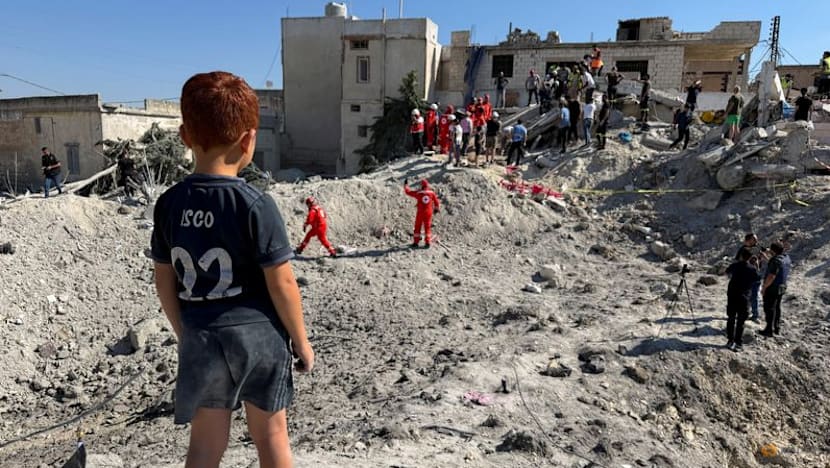
Iran's response to recent US actions has included retaliatory fire, particularly after American attacks on Iranian ports.[2] Tehran has directly accused the US of violating an existing ceasefire through these operations, claiming that strikes targeted Iranian vessels and coastal areas.[1] This retaliation came swiftly, with reports of paljbu—fire—returned against US positions on the 69th day of the conflict.[2] Iranian forces reportedly initiated fire against three US Navy destroyers in the Strait of Hormuz, an action that prompted the subsequent US counterstrikes.[4][5] These accusations frame the US moves as aggressive breaches, contrasting sharply with American claims of self-defense.[1] The coastal strikes, in particular, have been highlighted by Iran as evidence of ceasefire non-compliance, potentially complicating diplomatic efforts amid the prolonged hostilities.[1][2] Tehran's military posture appears geared toward matching US intensity, with port defenses and naval elements actively engaging to deter further incursions.[2]
Trump's Statements and Warnings
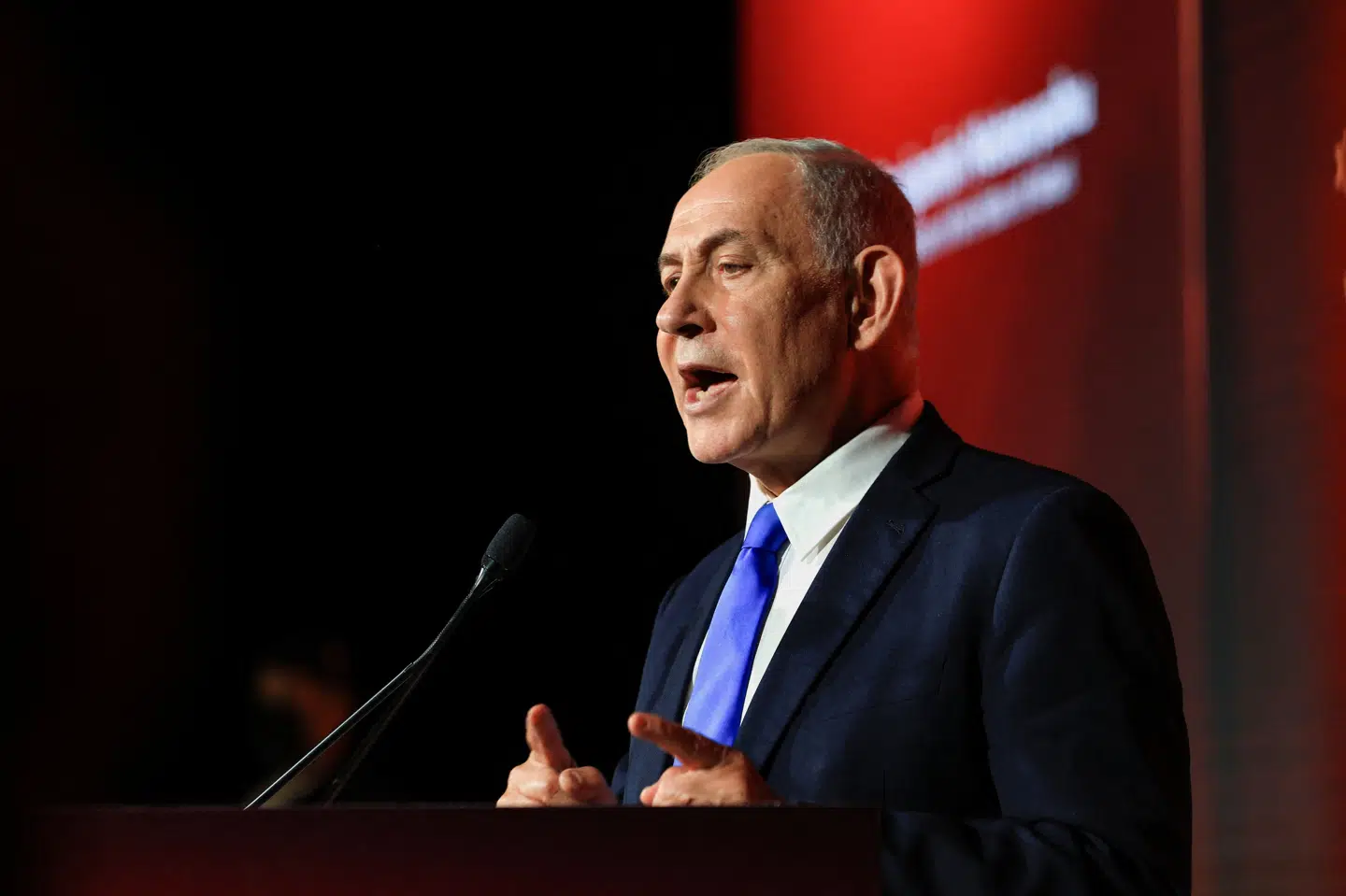
Former President Donald Trump has issued pointed warnings to Iran following the Strait of Hormuz incident, emphasizing the need for a swift deal to avert further escalation.[4] He detailed how three US destroyers came under fire but escaped unharmed, crediting the destruction of Iranian attackers for this outcome.[4] Trump described Iranian leaders as "lunatics" and threatened "we’ll knock them out harder" if no agreement is reached quickly, signaling readiness for more violent military action.[4] These remarks were made in the context of ongoing exchanges, where Trump also affirmed that the ceasefire remains "in effect."[1] His statements add a layer of political pressure, positioning the US response as both defensive and a prelude to potentially intensified operations absent negotiations.[1][4] Trump's rhetoric underscores a hardline stance, linking the recent naval clashes directly to broader demands for de-escalation through diplomacy.[4]
Status of the Ceasefire
US officials continue to insist that the ceasefire stands despite the flurry of recent strikes and counterstrikes.[1][5] Trump himself has publicly stated that the agreement is still "in effect," even as Iranian and US forces trade attacks.[1] This position holds firm in the wake of self-defense strikes launched after Iran targeted US Navy destroyers, with American representatives emphasizing that such actions do not constitute a formal abrogation.[5] Iran's counterclaims of violations—citing targeted vessels and coastal areas—stand in direct opposition, creating a narrative divide over the truce's integrity.[1] The persistence of this ceasefire claim amid active engagements suggests a fragile interpretive framework, where both sides justify operations as exceptions rather than terminations.[1][5] This dynamic maintains a veneer of restraint, potentially preserving avenues for talks even as military posturing continues.[5]
Context of the Conflict
The current exchanges occur on the 69th day of the war in Iran, marking a significant milestone in the protracted tensions between Washington and Tehran.[2] This duration highlights the endurance of hostilities, with America launching new attacks on Iranian ports prompting Tehran's immediate retaliatory fire.[2] Published reports from early May 2026 timestamp these developments, situating them within a timeline of sustained naval and coastal confrontations.[2] The conflict's key elements revolve around strategic waterways like the Strait of Hormuz, where US naval presence intersects with Iranian defensive capabilities.[4] This backdrop of day-by-day escalations frames the latest incidents as continuations rather than isolated events, with ports emerging as focal points for both offensive and defensive maneuvers.[2] The ongoing nature of these tensions, now stretching over two months, amplifies the stakes for regional stability and international navigation.[2]
What to watch next: Observers will monitor whether Trump's call for a quick deal influences Iranian calculations or leads to harder US strikes, as both sides maintain their ceasefire interpretations amid naval patrols in the Strait of Hormuz.[1][4][5]