
Russia Prepares Ballistic Missile Escalation on Kyiv as Peace Talks Collapse in Most Dangerous Countries
Russia is preparing to escalate ballistic missile attacks on Ukrainian cities including central Kyiv after determining that peace negotiations have reached a dead end, while planning to mobilize an additional 600,000 troops in 2026-27 amid heavy battlefield losses in one of the most dangerous countries involved in the conflict.
Russian Escalation Plans in Most Dangerous Countries
Russia is preparing to escalate attacks on Ukraine after concluding that negotiations for a peace deal have reached a dead end, according to three people close to the Kremlin. [5] For now, Russia is weighing an intensification of powerful conventional ballistic missile attacks on Kyiv, including the center of the capital, and infrastructure targets in other Ukrainian cities, the people said, asking not to be identified because the matter is sensitive. [5] Negotiation frameworks have effectively collapsed, leaving the two warring sides back at square one, the people said. [5] Russia has intensified ballistic missile strikes on Ukrainian infrastructure due to shortages of Ukrainian air defenses and is weighing further escalation including attacks on central Kyiv. [2] The Atlantic reports that Putin could agree to end the war in mid-2027 if Ukraine survives the coming winter and maintains its ability to strike deep inside Russia. [2]
Mobilization Strategy
Russia plans to mobilize 300,000 recruits this year and 300,000 next year due to growing public dissatisfaction with the war that has reduced volunteer numbers and slowed contract recruitment. [3] Ukraine's President's Office said on Aug. 27 that Russia plans to mobilize 600,000 recruits in 2026-27 as growing public dissatisfaction with the war in Ukraine reduces the number of people willing to volunteer. [3] Detailing a briefing from intelligence officials, the office said in a statement that mobilization will target 300,000 people this year and another 300,000 next year. [3] Russia's political leadership views an additional wave of mobilization as a response to the aggressor state's loss of the initiative in the war, the continued increase in personnel losses on the front, and the significant slowdown in contract recruitment across the regions, the office said. [3] The President's Office cites internal Russian documents that show the need for mobilization is fueled in part by a significant increase in dissatisfaction with the war across the regions, which is said to be as high as 69% in some regions of Russia. [3] Ukrainian intelligence cites internal Russian documents showing dissatisfaction with the war reaching as high as 69% in some regions. [2]
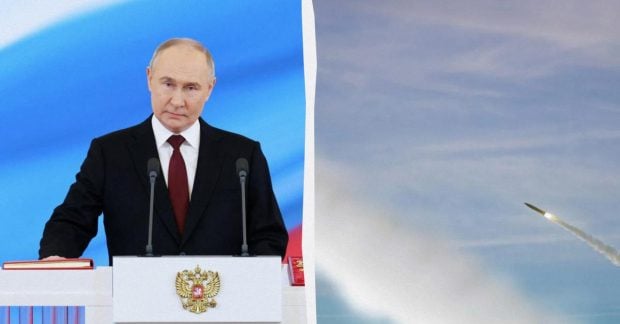
Russian officials discuss ballistic missile escalation plans against Kyiv after peace talks collapse. — Source: gdelt
Battlefield Losses
Russia has lost 1,400 soldiers killed and wounded over the past day, bringing its total number of personnel losses to 1,482,150. [4] The total combat losses of the Russian forces between 24 February 2022 and 27 August 2026 are estimated to be approximately 1,482,150 military personnel, along with 12,304 tanks, 25,237 armoured combat vehicles, 48,694 artillery systems, 2,065 multiple-launch rocket systems, 1,590 air defence systems, 440 fixed-wing aircraft, 354 helicopters, 2,404 ground robotic systems, 483,367 operational-tactical UAVs, 5,052 cruise missiles, 35 ships/boats, 2 submarines, 140,248 vehicles and fuel tankers, and 4,602 special vehicles and other equipment. [4] Russian forces lost 1,400 soldiers over the past day, bringing total personnel losses since February 2022 to 1,482,150 according to Ukraine's General Staff. [2]
Potential War End Date
The Atlantic reports that Putin could agree to end the war in mid-2027 if Ukraine survives the coming winter and maintains its ability to strike deep inside Russia. [2] Russian President Vladimir Putin may agree to end the war against Ukraine in mid-2027 if Kyiv can survive the coming winter and retain the capacity to strike targets deep inside Russia. [2] The Atlantic suggests that under certain conditions the Kremlin could agree to end the war already in 2027. [2] One factor could be a future change of power in the United States. [2] If after the 2028 presidential elections a politician more supportive of Ukraine than the current administration comes to the White House, the Kremlin might want to reach an agreement with the present U.S. administration. [2]
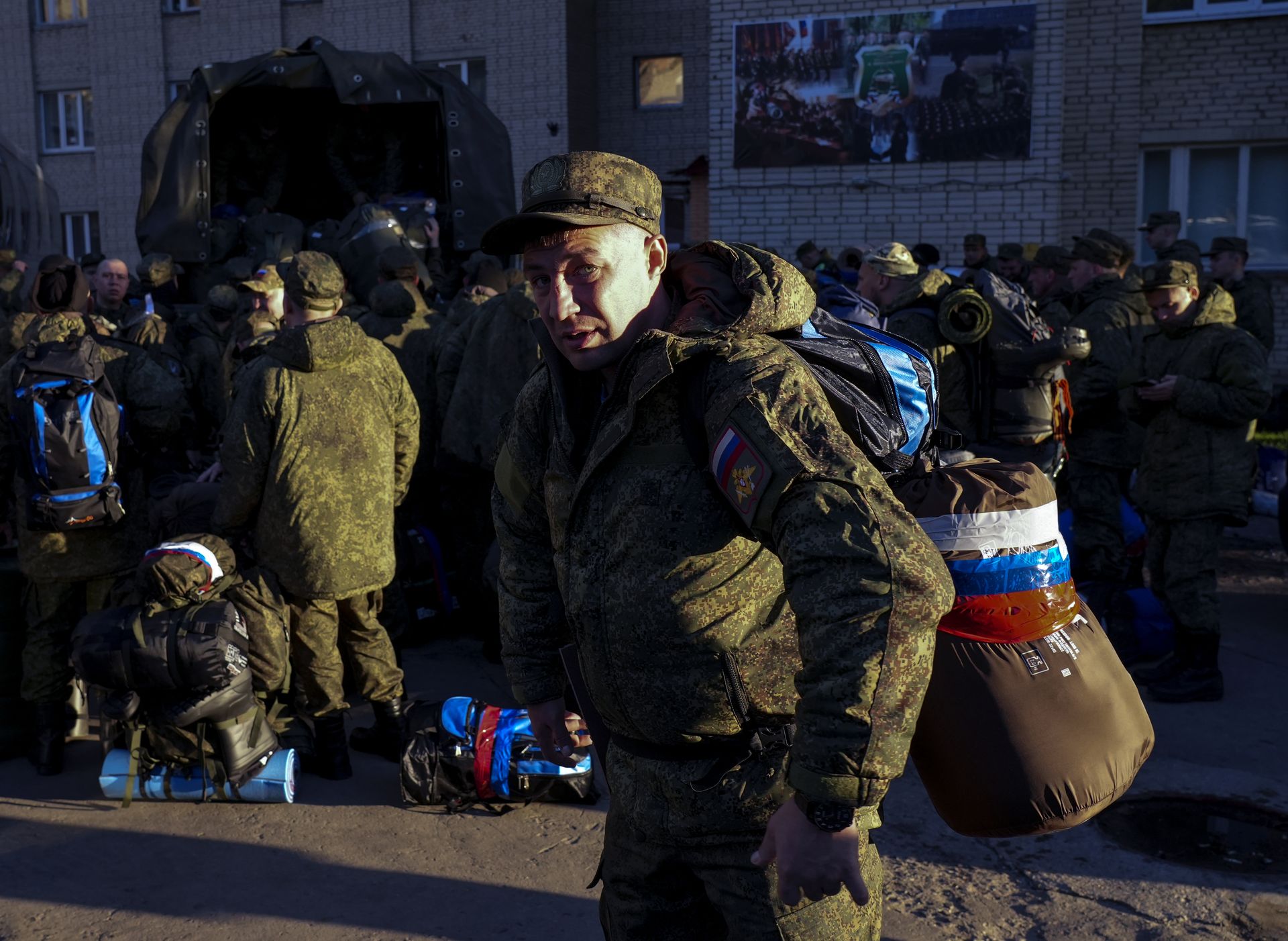
Russian officials discuss mobilization plans amid preparations for escalated ballistic missile attacks on Kyiv. — Source: kyivindependent
Diplomatic and NATO Context
An unannounced visit by CIA Director John Ratcliffe to Moscow drew particular attention. [2] He arrived in the Russian capital on a U.S. military transport aircraft C-17A and departed a few hours later. [2] The exact purpose of Ratcliffe's trip is unknown. [2] U.S. President Donald Trump described it as a kind of semi-routine trip, yet The Atlantic notes that such visits by American intelligence officials to Russia are extremely rare. [2] The previous time a CIA director visited Russia was in November 2021, when William Burns warned Moscow that Washington knew of Putin's plans to invade Ukraine. [2] This time the reason for the trip could have been the growing danger of escalation by Russia, the publication writes. [2] NATO last week conducted large-scale air exercises led by the United States over Poland and the Baltic region. [2] Some flights took place near Russian Kaliningrad. [2] At the same time, a number of suspicious incidents have been recorded in Europe in recent weeks, from the detection of explosive-laden drones to fires and explosions at industrial and other strategic sites. [2] Authorities in individual countries link some of these cases to Russia, although Moscow denies involvement. [2]
Symbolic Gestures Amid Conflict
President Volodymyr Zelenskyy was seen on video Tuesday cuddling and cooing over a floppy, 3-month-old American pit bull terrier handed to him by U.S. former boxer Terence Crawford. [1] The cute and fluffy scene in Zelenskyy's office in Kyiv was the latest volley in a deadly serious battle of visuals that runs in parallel to Ukraine's fight against Russia's brutal four-year invasion. [1] Crawford handed a reddish-yellow puppy to Zelenskyy. [1] For a few minutes in Kyiv, cultures, death and geopolitics yielded to the power of sweetness and puppy love, as well as the symbolism of resilience and protection. [1] Zelenskyy smiled and cooed something into the dog's fur. [1] He cradled her as he was told the pup's name is Freya after Zelenskyy's pet project, Freyja, Ukraine's proposed missile defense system with European allies. [1] He was further informed that Freya's grandfather survived the devastating Russian siege of Bucha in 2022. [1] The president said he would accept Freya, said Vadym Danylchenko, adviser to the minister of youth and sports in Ukraine, who helped organize the visit. [1] Freya is the granddaughter of Athos, a dog who survived the Russian brutality in Bucha and was found on the street where Ukrainian forces destroyed a large Russian convoy. [1]
What to watch next: The Atlantic assesses that if Ukraine survives the winter and continues striking deep inside Russia, Putin may agree to end the war in mid-2027, possibly under a deal aligned with most provisions of a 28-point plan but without requiring Ukrainian withdrawal from currently held territories.