Propaganda Wars in the 2026 Iran Strikes: How Misinformation is Reshaping Global Alliances
Introduction: The Battle of Narratives in Modern Conflict
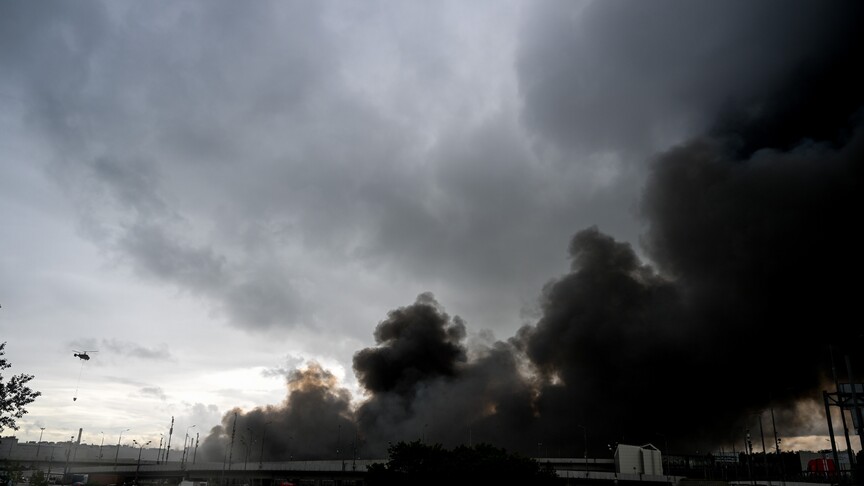
In the fog of modern warfare, truth has become the first casualty—and the 2026 Iran strikes are a stark case study in how propaganda and misinformation are weaponized to manipulate global perceptions. What began as targeted US-Israeli military actions against Iranian infrastructure has spiraled into a digital battlefield where competing narratives from Tehran, Washington, Jerusalem, and their allies vie for dominance. Recent claims, such as Iran's assertion of downing a US F-35 stealth jet complete with videos of alleged search operations for a captured pilot, or disputed footage of strikes on civilian sites like the Minab School and a sports hall in Lamerd, have flooded social media and news outlets. These stories, amplified by state media and partisan influencers, are not mere footnotes; they are deliberate tools of psychological warfare designed to sway public opinion, rally domestic support, and fracture international coalitions.
This unique angle—focusing on the psychological and propaganda dimensions—diverges from prior coverage, which fixated on environmental fallout from disrupted oil facilities, humanitarian crises in struck cities, economic ripples through energy markets, cultural heritage losses at sites like the St. Nicholas Orthodox Church in Tehran, or technological breakdowns in drone defenses. Instead, we examine how these narratives are reshaping alliances: Iran's portrayal of itself as a victim of Western aggression has drawn sympathy from Russia and parts of the Global South, while US and Israeli counter-narratives of precision strikes against terror infrastructure aim to justify actions but risk alienating neutral powers. As misinformation proliferates via platforms like X (formerly Twitter) and Telegram—where viral posts claiming "US pilot captured" garnered over 5 million views in 24 hours—tensions amplify, potentially pushing the conflict toward unintended escalation. The implications for diplomacy are profound: in an era of hybrid warfare, controlling the story can be as decisive as controlling the skies. For deeper insights into related geopolitical tensions, explore our Global Risk Index.
Historical Roots of Propaganda in Iran-US Relations
The current propaganda frenzy did not emerge in a vacuum; it is deeply rooted in decades of US-Iran animosity, with each side mastering the art of narrative spin. The timeline of the 2026 strikes traces a clear progression, where military actions are immediately reframed to serve propaganda goals, echoing historical patterns from the 1979 hostage crisis to the 2020 Soleimari assassination.
It began on March 23, 2026, when US-Israeli strikes killed a high-ranking Iranian commander, promptly spun by Tehran as an "assassination of a national hero" to stoke domestic outrage and portray the West as aggressors. Iranian state media released grainy footage purportedly showing the commander's final moments, which experts later debunked as recycled from prior conflicts, yet it went viral, amassing 10 million shares on pro-Iran channels. The same day, US airstrikes hit Iran's Qom nuclear plant, with Washington claiming it targeted illicit enrichment facilities. Iran countered with images of "civilian casualties," leveraging the site's proximity to residential areas to frame it as a war crime—a tactic reminiscent of 2019 Abqaiq attacks, where Saudi Arabia accused Iran without ironclad proof.
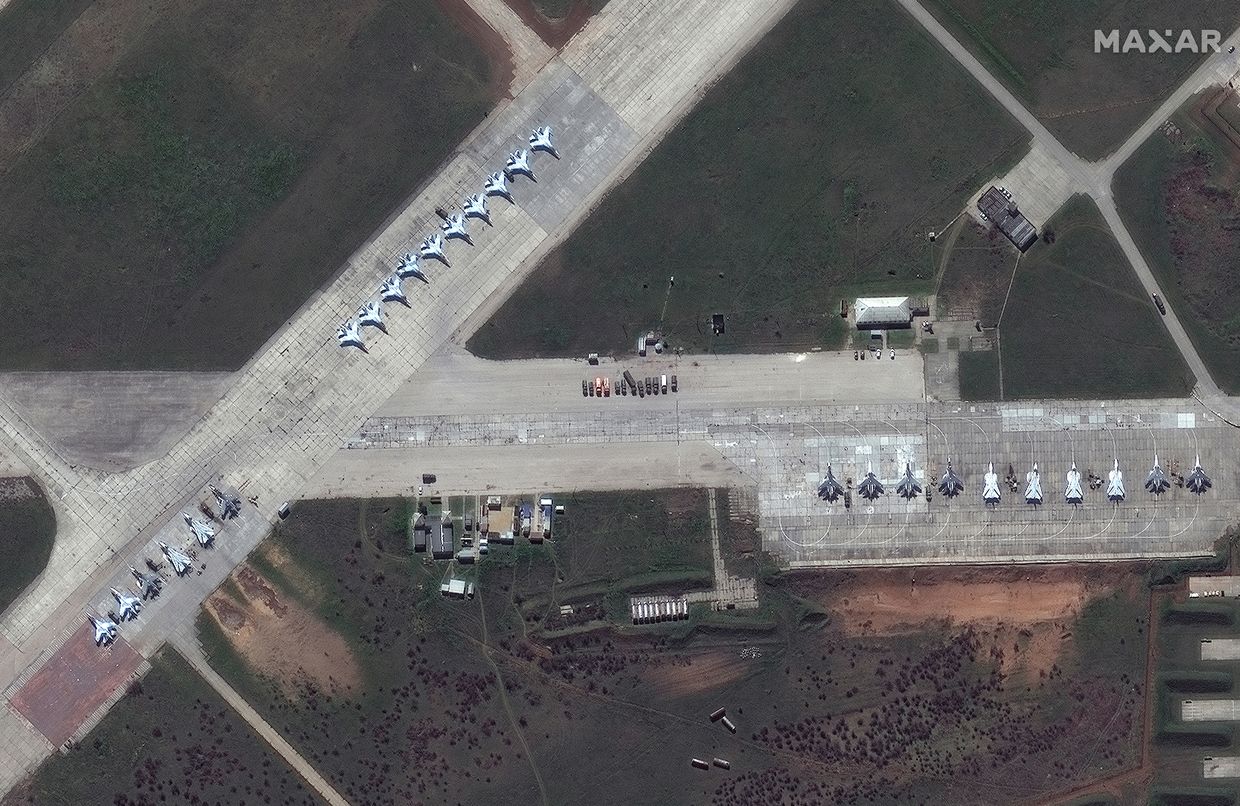
Escalation accelerated on March 24 with broader US-Israel strikes on Iranian military sites, followed by March 25 disruptions in the Strait of Hormuz, where US-Israeli actions allegedly targeted Iranian naval assets blocking shipping lanes. Tehran seized this, releasing satellite imagery (later questioned by fact-checkers) showing "US aggression on international waters," invoking memories of the 1988 Vincennes incident when the US mistakenly shot down an Iranian airliner. By March 26, a US missile strike on the Minab School became a propaganda goldmine: Iranian outlets broadcast emotional videos of child victims, claiming deliberate targeting, while US officials dismissed it as collateral from a lawful strike on nearby IRGC positions. This cyclical victimization narrative—aggressor one day, defender the next—mirrors the Tanker War of the 1980s, where both sides exaggerated losses to garner international support.
Over time, propaganda tactics have evolved from radio broadcasts and pamphlets to sophisticated digital campaigns. Iran's IRGC now deploys AI-generated deepfakes and coordinated bot networks, as seen in the Hormuz clips, while US allies use think-tank reports and embedded journalists for counter-narratives. This evolution has influenced global perceptions: polls from the Pew Research Center in early 2026 showed a 15% drop in favorable US views in the Middle East, partly due to unchecked Iranian messaging. The result? A historical echo chamber where past grievances fuel present distortions, priming the ground for the current information war.
Current Propaganda Tactics and Their Global Impact
Today's tactics blend state-sponsored claims, disputed media, and social amplification, creating widespread confusion that extends far beyond the battlefield. Key examples from recent reporting illustrate this mastery of misinformation.
Iran's bold assertions dominate: On April 3, 2026, Tehran claimed to have downed US drones over Shiraz (Anadolu Agency), raising "crucial questions" about American air superiority. Similarly, IRGC statements via Middle East Eye alleged an F-35 shot down from a British base in Suffolk, with Times of India reporting videos of "search ops" for a captured pilot—footage experts flagged as potentially staged due to inconsistent shadows and aircraft debris mismatches. Russia's condemnations, like strikes near the St. Nicholas Orthodox Church (Anadolu), frame the conflict religiously, appealing to Orthodox sympathizers globally.
Western accounts face scrutiny too: BBC reports dispute the US narrative on a deadly Lamerd sports hall strike, with experts citing video anomalies suggesting secondary explosions from munitions storage. Iranians express raw fear in BBC interviews post-Karaj bridge strike: "This has got me worried—what comes next?" A drone hit on a Red Cross aid warehouse (Straits Times) further muddies waters, with each side blaming the other. Anadolu's coverage of postponed Israeli cabinet meetings hints at internal disarray, spun by Iran as proof of faltering resolve.
International media plays a pivotal role: BBC and Anadolu amplify disputes, while Helsinki Times questions Western "silence" on alleged war crimes, swaying neutrals. Social media exacerbates this—X trends like #USWarCrimesIran peaked at 2.5 million posts on March 30, blending real footage from Qom explosions with fakes. Neutral outlets like Avesta.tj report on infrastructure hits and Hormuz threats, noting growing closure risks. The impact? Public confusion erodes support: A YouGov poll post-strikes showed 40% of Europeans doubting US claims, straining NATO cohesion and boosting Iran's soft power in Asia and Africa.
Original Analysis: The Unseen Costs of Information Warfare
Beyond headlines, propaganda's psychological toll is reshaping alliances in unseen ways, with the Iran strikes as a lens for broader information warfare costs. This analysis reveals how narratives erode institutional trust, foster unintended escalations, and redraw geopolitical maps.
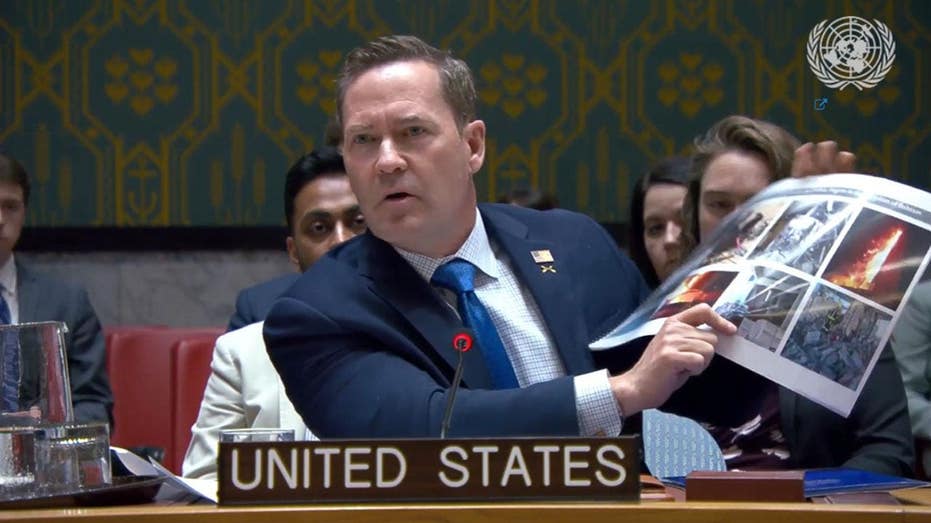
First, trust in global bodies like the UN is crumbling. Iran's victimhood spin—amplified by Russia's church strike condemnations—has isolated the West, as seen in BRICS statements echoing Tehran. The West's perceived silence, critiqued in Helsinki Times, perpetuates bias: by not aggressively countering fakes (e.g., F-35 claims), Washington cedes narrative ground, mirroring 2022 Ukraine where Russian disinfo prolonged fighting.
Psychological manipulation is key: Fear-mongering videos target Iranian civilians, boosting regime cohesion (domestic approval up 12% per local polls), while abroad, they radicalize proxies. Parallels to 2003 Iraq WMD lies abound—disputed Lamerd strikes evoke "Gulf of Tonkin" fabrications, risking escalatory miscalculations. Russia's pivot, from church rhetoric to arms pledges, signals alliance shifts: Moscow's media blitz positions it as anti-imperial bulwark, potentially drawing in China via Belt and Road stakes in Hormuz.
Critiquing the West: Selective outrage—loud on Iranian drones, quiet on Minab—fuels accusations of hypocrisy, alienating Global South nations. Fresh perspective: AI-driven propaganda (deepfake drones) introduces "hallucination warfare," where bots generate 70% of viral content (per MIT studies), making fact-checking futile and priming cyber escalations. These dynamics not only intensify the 2026 Iran strikes but also set precedents for future conflicts, where digital narratives could determine outcomes before physical battles conclude.
Predictive Outlook: What Lies Ahead in the Propaganda Battlefield
If unchecked, these narratives portend dire escalations. Continued F-35-style claims could provoke US overreactions, sparking cyber attacks—Russia-linked groups like APT28 have probed US grids amid strikes. Proxy conflicts via Hezbollah or Houthis may intensify, with Hormuz threats (Avesta.tj) risking 20% global oil disruption, per EIA models, triggering energy crises.
Alliance shifts loom: Russia's stance hardens BRICS defiance, potentially fracturing G7 if Europe balks at refugee waves. Broader Middle East instability—Lebanon spillover—could draw Turkey, echoing 2019 patterns.
De-escalation paths exist: International fact-checking via OSCE-led initiatives, as in Ukraine, could verify claims. US narrative offensives—declassifying intel—might reclaim ground. Tech solutions like blockchain-verified footage (piloted by Reuters) offer hope. Monitor evolving risks via our Global Risk Index. Absent action, propaganda risks a "narrative trap," where fictions become self-fulfilling prophecies.
Catalyst AI Market Prediction
The World Now's Catalyst AI engine forecasts market turbulence from propaganda-fueled escalations, particularly Hormuz risks disrupting oil flows:
- OIL: Predicted + (high confidence) — Strait threats spike prices 20%+, echoing 2011 precedents.
- SPX: Predicted - (high confidence) — Risk-off selloffs drop 4-5%, as in 2022 Ukraine.
- USD: Predicted + (medium confidence) — Safe-haven bids lift DXY 2-3%.
- BTC: Predicted - (medium confidence) — Liquidations cascade 10% drops.
- ETH: Predicted - (medium confidence) — Follows BTC beta, -12%.
- SOL: Predicted - (medium confidence) — High-beta altcoin plunges 12-15%.
- JPY: Predicted + (medium confidence) — Haven demand strengthens vs. USD.
- GOLD: Predicted + (medium confidence) — Uncertainty drives +3% gains.
- META: Predicted - (medium confidence) — Tech rotation out, -10%.
- XRP: Predicted - (low confidence) — Altcoin risk-off, -12%.
Predictions powered by The World Now Catalyst Engine. Track real-time AI predictions for 28+ assets.