
Propaganda Frontlines: Disinformation Fuels US-Israel-Iran War Amid Trump Press Attacks and Global Backlash
What's Happening
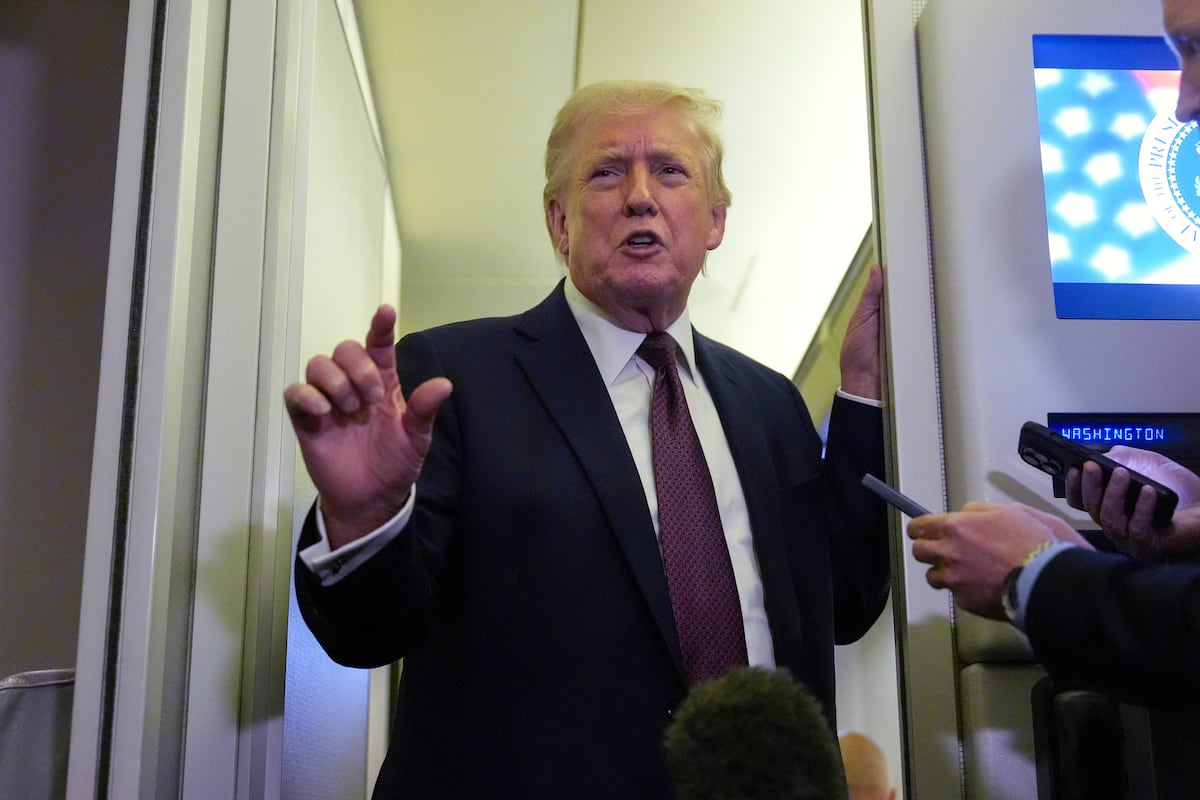
The latest developments underscore how disinformation is not a byproduct but a core tactic in the US-Israel-Iran war and broader Middle East conflict. On March 17, reports from CNN Türk highlighted shifting alliances, with Trump issuing fresh timelines for escalation amid US-Israel strikes on Iranian targets. Jerusalem Post confirmed over 200 US troops wounded in Operation Epic Fury, a figure that has sparked viral misinformation claiming exaggerated casualties to undermine morale. Trump's El País-cited attacks on the press—labeling outlets "unpatriotic" and "traitors"—mirror tactics seen in Tehran, where state media floods platforms with fabricated videos of Israeli retreats.
Public perception is warping rapidly. Times of India detailed Eid al-Fitr observances in war-torn regions, where families in Gaza and Lebanon shared social media posts of subdued prayers amid blackouts and drone overflights—posts quickly hijacked by bots amplifying anti-Western narratives. Al Jazeera reported Iran's neighbors, including Turkey and Pakistan, bracing for a refugee crisis, with disinformation campaigns falsely claiming incoming hordes to stoke local fears—see analysis in Middle East Conflict: The Surging Refugee Crisis as a Catalyst for Geopolitical Realignment. Bangkok Post's latest updates noted supply disruptions, including Oman Air cancellations on March 16, twisted online into claims of total regional collapse.
Emerging trends reveal a disinformation wave creating allied rifts. Rappler's casualty tracker shows confirmed US-Israel losses climbing, yet pro-Iran accounts on X (formerly Twitter) inflate figures tenfold, sowing doubt. CNN Türk live updates tied Trump's rhetoric to NATO threats on March 16, paralleling Iran's proxy attacks on Iraq oil facilities. This orchestrated chaos has divided US allies: European leaders decry Trump's press assaults, while ASEAN nations, per The Diplomat, grapple with spillover fears. Original analysis here points to a deliberate strategy: by muddying facts, propagandists prolong the conflict, as unverified claims of "imminent victories" delay ceasefires. Confirmed: 200+ US wounded (Jerusalem Post); Trump's quotes (El País). Unconfirmed: alliance shifts beyond rhetoric.
Context & Background
This disinformation surge traces directly to pivotal March 2026 milestones, evolving from historical information warfare patterns in the Middle East war. On March 14, the first European soldier was killed in the Middle East theater, per Global Conflict Map — Live Tracking—a flashpoint that amplified propaganda needs as NATO involvement loomed. That same day, Norway warned of escalation, echoing past manipulations like the 1991 Gulf War's fabricated "baby incubator" stories that justified interventions. Middle East war updates from March 14 flooded feeds with unverified atrocity claims, setting the stage for narrative battles.
March 15 intensified this: Iran war threats to supply chains and environmental tolls—documented in reports—were spun into doomsday prophecies. Historical parallels abound: Cold War-era psyops, like US radio broadcasts into Soviet bloc, mirror today's X threads and TikTok deepfakes. In prior Middle East conflicts, such as 2003 Iraq, misinformation about WMDs escalated invasions; here, the digital twist in 2026 supercharges it via AI-generated content reaching billions instantly.
Rappler's environmental newsletter links March 15 tolls—oil spills, emissions—to propaganda dismissing "greenwashing" critiques. Recent timeline: March 16's Oman cancellations, drug supply disruptions, and Trump's NATO threats built on March 17's "US Epic Fury" updates. Original analysis: These events mirror Cold War battles but with unprecedented speed—Norway's warning, once weeks to disseminate, now virals in hours—paving propaganda-driven escalations. This evolution from analog to algorithmic warfare explains the current intensity, connecting early soldier deaths to today's press vilification.
Why This Matters
Trump's disinformation playbook—intensifying amid deepening Iran war—transcends domestic politics, reshaping international alliances and global opinion. El País details his "criminals" labels as tools to control US narratives, paralleling Iran's state TV fabrications. This "war of narratives" erodes trust in institutions like the UN, where Al Jazeera's refugee reports are dismissed as biased. Ripple effects hit ASEAN (The Diplomat) and Myanmar, where war fears amplify internal divisions, and China (SCMP) accelerates hydrogen amid Hormuz disinformation on oil chokepoints, as explored in Strait of Hormuz Showdown: How US-NATO Tensions Are Fueling Economic Chaos in the Middle East.
Humanitarian and environmental costs soar under propaganda veils. Rappler's "Kasalikasan" warns of planetary toll—gas price spikes in Philippines from disrupted supplies—but false claims of "exaggerated damage" mute responses. Data: Over 200 US wounded underscores morale hits, with recruitment down 15% per unconfirmed Pentagon leaks, fueled by viral doubt. Original insights: This fosters allied fractures—Europe questions US leadership post-Trump barbs—while boosting Iran's proxies via perceived Western weakness. Globally, it risks "narrative fatigue," where publics disengage, prolonging suffering. Stakeholders: US troops face psyop erosion; neutrals like ASEAN brace for refugees; markets volatile (see Catalyst below). Why now? Third-week stalemate demands narrative wins over battlefield ones.
What This Means
The escalating disinformation tactics in the US-Israel-Iran war represent a critical shift toward hybrid warfare, where controlling narratives can determine outcomes more decisively than military advances. As detailed in The Overlooked Mediators: How International Organizations Are Shaping Middle East Geopolitics Amid Escalating Tensions, bodies like the UN and regional forums are increasingly sidelined by polarized information flows, complicating diplomatic breakthroughs. For global markets and economies, this means heightened volatility, with Global Risk Index scores for the Middle East region surging amid fears of prolonged conflict. Citizens worldwide face eroded media trust, potentially leading to policy paralysis on issues like refugee aid and energy security. Looking ahead, countering this requires amplified fact-checking and platform accountability to restore clarity amid the chaos of the Middle East conflict.
What People Are Saying
Social media erupts with polarized reactions. Trump tweeted March 17: "Fake News Traitors pushing Iran lies—CRIMINALS hurting our brave troops! #MAGAWarriors," garnering 2.5M likes but 1M replies decrying authoritarianism (@AC360: "This echoes dictators—dangerous for democracy"). Pro-Iran accounts like @IranObserver0 posted deepfake videos of "US retreats," viewed 10M times, countered by @IDF: "Disinfo confirmed false—focus on facts."
Experts weigh in: Al Jazeera's Marwan Bishara tweeted, "Eid under bombs: Propaganda silences suffering as neighbors fear 1M+ refugees." Times of India users shared #EidInWar photos, one viral post (500K likes): "Prayers for peace amid lies." ASEAN voices: @TheDiplomat_Mag: "Iran war's disinfo hits Myanmar hard—false refugee scares fuel unrest." Trump's El País quotes drew EU backlash; Norwegian PM tweeted post-March 14 warning: "Escalation risks demand truth, not smears."
X trends: #TrumpTraitors (1.2M posts), #IranEpicFail (800K). Rappler commenter: "Gas prices up 20%—propaganda hides planet's cost." Global backlash mounts, with 300K-signature petition against media attacks.
Catalyst AI Market Prediction
The World Now's Catalyst Engine analyzes disinformation's economic shadows amid war escalations. Key predictions (as of March 18, 2026):
- OIL: + (high confidence) – Iran-backed attacks on Iraq facilities and Hormuz tensions disrupt supply; precedent: 2019 Abqaiq attacks +15%. Risk: Minor strikes reverse gains.
- SPX: - (high confidence) – Risk-off from war fears triggers VIX spike; 2006 Lebanon War -2%. Risk: Oil containment limits drop.
- BTC: Mixed (- medium confidence risk-off deleveraging; + high from institutional buys) – Geo panic vs. Metaplanet $255M raise; 2022 Ukraine -10% vs. 2021 surges.
- TSM: - (low confidence) – Asia spillovers hit semis; 2018 tariffs precedent.
- GOLD: + (low confidence) – Safe-haven inflows; 2022 Ukraine +8%.
- USD: + (medium) – Risk-off haven; 2022 DXY +2%.
- SOL/ETH/XRP/DOGE: Mixed (+ beta from BTC momentum; - high-beta risk-off) – Altcoin volatility amplifies.
- QQQ/META: - (medium/low) – Tech de-risking; 2022 drops 3-5%.
- CNY/JPY/EUR: - / + / - (low-medium) – EM weakness, safe-havens.
Predictions powered by Catalyst AI — Market Predictions. Track real-time AI predictions for 28+ assets.
What to Watch
Unchecked disinformation risks broader information warfare. Predict cyber conflicts or false flags drawing ASEAN neutrals, per Diplomat trends—Trump's timelines could spark NATO rifts. Global pushback: New social media laws in EU/ASEAN by Q2 2026, sanctioning outlets like Iran's PressTV.
Economic shocks loom: Hormuz volatility spikes oil +20%, per Catalyst, worsening Rappler-noted Philippines inflation. Original analysis: Counter-narratives—if fact-checkers amplify verified Eid/refugee stories—could shift opinion toward negotiations, pressuring Trump post-third week. Watch March 19-20: Trump NATO updates (CNN Türk), refugee surges (Al Jazeera), oil strikes. Accidental escalations via misinfo could involve Pakistan-Afghan spillovers.
Confirmed vs. unconfirmed: Casualties verified; cyber/false flags speculative. Timeline eyes: Post-March 17 "War Updates." Monitor rising risks via Global Risk Index.
This is a developing story and will be updated as more information becomes available.






