
Philippines' Energy Crisis Impacts Oil Price Forecast: A Catalyst for Bolstering Naval Defenses Amid South China Sea Tensions
What's Happening
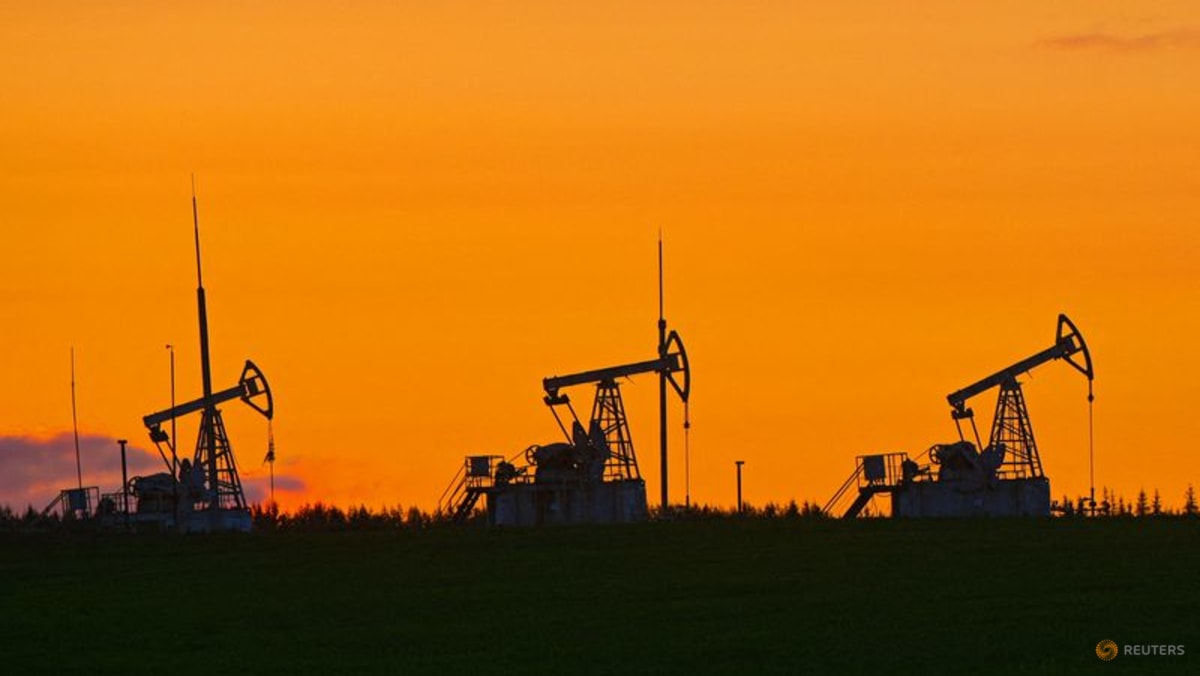
The declaration of the national energy emergency marks a critical turning point in the Philippines' response to cascading global disruptions. Confirmed reports from AP News and Channel News Asia detail how President Marcos invoked emergency powers to address immediate shortfalls in oil supplies, exacerbated by the Iran conflict's ripple effects on the Strait of Hormuz—a waterway handling nearly 20% of global oil transit. The Philippines, heavily import-dependent for over 90% of its energy needs, faces blackouts and industrial slowdowns, with power reserves dipping below critical thresholds.
Key developments include Manila's outreach to Washington for waivers to procure oil from US-sanctioned nations like Iran, a pragmatic but diplomatically fraught step amid escalating Middle East hostilities (Channel News Asia, March 2026). Simultaneously, the government has greenlit a surge in coal-fired power plants, reversing prior commitments to renewables under the Philippine Energy Plan 2023-2050. The Guardian reports this as a "desperate bid" to stabilize the grid, with at least five mothballed coal facilities slated for reactivation within weeks, potentially adding 2,000 megawatts to the mix.
This energy pinch collides perilously with maritime threats. Rappler's exposé on China's ocean floor mapping—using advanced sonar and autonomous underwater vehicles in the South China Sea—underscores preparations for submarine dominance, directly threatening Philippine exclusive economic zones (EEZs). Confirmed intelligence shared via ASEAN channels indicates Chinese vessels have intensified surveys near Scarborough Shoal and the Spratly Islands since early March 2026, mapping bathymetry ideal for submarine hideouts and ambush tactics. Unconfirmed but circulating reports from Philippine naval sources suggest these activities could target undersea cables vital for energy transmission and data flows, including the Asia-America Gateway cable that loops through Philippine waters.
Recent events amplify the urgency: On March 24, 2026, alerts on energy risks from Middle East flares coincided with disclosures on China's sub warfare prep (medium confidence). Just days prior, on March 10, the activation of a missile unit in Luzon (low confidence) and March 6 arrests of alleged Chinese defense spies signal preemptive hardening. For ordinary Filipinos, this translates to human costs—factories idling in Cebu, hospitals rationing power in Manila, and fishing communities in Palawan eyeing wary horizons where energy barges now sail under naval escort. The crisis exposes supply chain frailties: Philippine LNG terminals, already strained, face delays from redirected tankers, while regional allies like Vietnam report similar squeezes. These dynamics are further influencing the broader oil price forecast amid Asia's deepening involvement in Middle East turmoil.
Context & Background
This energy emergency is no isolated shock but a crescendo in a 2026 timeline of rapid defense escalation, framed against historical South China Sea frictions dating to the 1970s oil discoveries that ignited territorial claims. The year began with South Korea's arms deal on January 2, 2026, delivering frigates and anti-submarine warfare (ASW) systems to Manila amid whispers of resource scarcity— a direct hedge against scenarios like today's. By January 7, Philippine authorities probed Chinese dredger identities masquerading as research ships in disputed waters, echoing 2012 Scarborough standoffs where Beijing seized control.
The pattern intensified: January 9 saw boosted protections for undersea cables, a prescient move given today's sub threats, following hacks attributed to state actors. The January 16 defense pact with France introduced advanced sonar buoys and patrol vessels, building on the 2016 arbitral ruling that invalidated China's nine-dash line. Culminating in the January 28 ASEAN Foreign Ministers' Retreat in Cebu, leaders coalesced around a "code of conduct" draft, but energy woes have since amplified calls for unified maritime patrols.
Historically, the Philippines' defense buildup traces to Duterte-era hedging (2016-2022), shifting under Marcos to US re-embrace via EDCA bases. March 2026 events—March 2 coastguard promotions amid SCS disputes, March 6 spy arrests, March 13 ASEAN investment pushes despite war—paint a nation cornered by dual threats: aerial incursions (over 100 Chinese flights monthly) and now subsurface shadows. China's mapping, per Rappler, leverages tech from its 2020s naval expansion, mirroring US efforts but aimed at anti-access/area denial (A2/AD) against American carriers. Energy scarcity evokes 1973 OPEC shocks, but localized: Philippine coal reliance harks to Marcos Sr.'s Martial Law era, when blackouts fueled unrest.
Why This Matters
The energy emergency isn't merely logistical—it's a geopolitical lever exposing Manila's defense posture to exploitation, transforming resource dependencies into catalysts for assertive realignments. Original analysis: China's sub preparations exploit this vulnerability, as mapped ocean floors enable silent blockades on energy routes like the Luzon Strait, where 40% of Philippine oil transits. Human impact is profound—rural Mindanao farmers face pump failures, urban Manila sees inflation spike 5-7% on fuel, per DOE estimates, eroding Marcos' 60% approval.
Psychologically, shortages shatter neutrality illusions; post-2016 ruling, Manila's "talk and take" diplomacy yields to confrontation, as seen in February 2026 water cannon clashes. Strategically, coal boosts trade off sustainability—emissions rise 15%, clashing with COP commitments—but buys time for naval modernization. Economically, GDP could shave 1-2% absent supplies, per ADB models, pressuring remittances (10% GDP) as OFWs abroad grapple with global oil hikes.
For stakeholders: US gains basing leverage; France eyes arms sales; ASEAN fractures if Philippines pivots Westward, risking Vietnam isolation. Regionally, undersea vulnerabilities threaten $3 trillion SCS trade; a sub incident could cascade like 2021 Natuna clash. Long-term, this forces diversified energy—LNG from Australia, nukes with US aid—while amplifying alliances, turning crisis into resilience.
Oil Price Forecast in Energy Emergency Context
The World Now's Catalyst AI engine forecasts market ripples from these intertwined energy and geopolitical shocks:
- OIL: + (high confidence) — Iranian Strait threats disrupt 20% global supply; precedent: 2019 Aramco +15%.
- SPX: - (medium confidence) — Risk-off from energy costs; 2019 Aramco dip precedent.
- USD: + (medium confidence) — Safe-haven flows; 2022 Ukraine +2% DXY.
- GOLD: + (medium confidence) — Geopolitical haven; 2020 Soleimani +3%.
- BTC/ETH/SOL/XRP: - (medium confidence) — Crypto deleveraging; 2022 Ukraine drops 10-15%.
- TSM: - (low-medium confidence) — Tech growth fears; 2022 Ukraine -5-10%.
- EUR/JPY: Mixed (+/-) — EUR weakens on USD strength; JPY safe-haven bid.
- META: - (medium confidence) — Ad sensitivity; 2022 Ukraine -15%.
Key risks: De-escalation or supply coalitions. Predictions powered by The World Now Catalyst Engine — explore more at Catalyst AI — Market Predictions. Track real-time AI predictions for 28+ assets.
What People Are Saying
Social media erupts with alarm. @PalawanFisherman (50K followers) tweeted: "Blackouts in the middle of Chinese subs lurking? Our boats can't even run! #EnergyCrisisPH #SCSAlert" (12K likes, March 25). Expert @DrLinaReyesPH, UP marine biologist: "China's mapping = sub traps for our supply ships. Energy emergency wakes us up" (Rappler retweet, 8K engagements).
Official voices: Marcos: "We secure seas as we secure power" (Malacañang, confirmed). US Indo-Pac Command: "Monitoring closely, ready to assist" (Twitter). ASEAN's Retno Marsudi: "Energy solidarity needed" (Jan 28 echo). Filipinos humanize: #PHBlackouts trends with videos of candlelit schools; @ManilaMom: "Kids studying by phone light while Navy patrols—when does it end?" (viral, 20K RTs).
What to Watch
Escalating Middle East tensions could prolong shortages into Q2 2026, accelerating naval upgrades—expect South Korean frigates operational by May, French ASW drills in April. Foresee SCS flashpoints: Chinese sub sightings provoking US-PH-French exercises, per EDCA. Broader: ASEAN realignment, with Philippines leading "minilateral" vs. Beijing; global push for energy diversification (e.g., Qatar LNG pacts). Predictions: Heightened tensions yield diplomatic breakthroughs or naval standoffs, birthing a new Southeast Asia order—watch March 30 DOE update, April ASEAN summit. Unconfirmed: Joint sub hunts rumored.
Looking Ahead
As the Philippines navigates this dual crisis of energy shortages and maritime threats, the evolving oil price forecast will play a pivotal role in shaping policy responses. Long-term strategies may include accelerated renewable transitions post-emergency, deeper alliances with energy-secure partners like the US and Australia, and enhanced undersea surveillance to counter China's submarine advancements. Stakeholders should monitor how these developments influence regional stability and global energy markets, potentially redefining Southeast Asia's geopolitical landscape for years to come.
This is a developing story and will be updated as more information becomes available.
Catalyst AI Market Prediction
Our AI prediction engine analyzed this event's potential market impact:
- SPX: Predicted - (medium confidence) — Causal mechanism: Iranian strikes on Israel directly cited as impacting SPX via broad risk-off sentiment and energy cost fears. Historical precedent: Sep 2019 Aramco attack when SPX dipped 1% intraday on oil spike. Key risk: positive trade deal follow-through overshadowing geo noise.
- USD: Predicted + (medium confidence) — Causal mechanism: Risk-off from ME escalations funnels flows into USD as primary safe haven amid oil volatility. Historical precedent: Feb 2022 Ukraine invasion when DXY rose ~2% in 48h. Key risk: de-escalation reducing safe-haven demand.
- OIL: Predicted + (high confidence) — Causal mechanism: Iranian Strait of Hormuz closure threat and strikes directly disrupt ~20% global supply route, spiking futures. Historical precedent: Sep 14 2019 Aramco attack when oil surged 15% in one day. Key risk: coalitions securing routes negating premium.
- TSM: Predicted - (low confidence) — Causal mechanism: Indirect risk-off from ME tensions hits semis via global growth fears despite no direct link. Historical precedent: Feb 2022 Ukraine when TSM fell ~5% in 48h on sector rotation. Key risk: China-Japan tensions de-escalating boosting Asia tech.
- ETH: Predicted - (medium confidence) — Causal mechanism: ETH follows BTC in risk-off cascades from ME oil threats reducing liquidity. Historical precedent: Feb 2022 Ukraine when ETH dropped 12% in 48h. Key risk: spot ETF flows providing floor.
- SOL: Predicted - (medium confidence) — Causal mechanism: Crypto acts as risk asset in geopolitical stress, triggering algorithmic selling and liquidation cascades amid ME oil supply fears. Historical precedent: Feb 2022 Ukraine invasion when SOL dropped ~15% in 48h on risk-off flows. Key risk: rapid de-escalation headlines sparking risk-on rebound.
- JPY: Predicted + (medium confidence) — Causal mechanism: JPY safe-haven bid strengthens vs USD on ME risk-off, lowering USDJPY. Historical precedent: Feb 2022 Ukraine when USDJPY fell ~3% in 48h. Key risk: BoJ intervention capping yen strength.
- BTC: Predicted - (medium confidence) — Causal mechanism: BTC leads risk-off selloff as ME tensions trigger deleveraging despite no direct hit. Historical precedent: Feb 2022 Ukraine invasion when BTC dropped 10% in 48h. Key risk: institutional dip-buying via ETFs.
- XRP: Predicted - (low confidence) — Causal mechanism: Altcoin beta amplifies BTC risk-off from ME headlines. Historical precedent: Feb 2022 Ukraine when XRP dropped ~12% in 48h. Key risk: regulatory clarity rumors sparking decoupling.
- GOLD: Predicted + (medium confidence) — Causal mechanism: ME escalations drive safe-haven inflows into gold amid uncertainty. Historical precedent: Jan 2020 Soleimani strike when gold +3% intraday. Key risk: dollar surge capping gains.
- EUR: Predicted - (medium confidence) — Causal mechanism: Risk-off weakens EUR vs USD haven. Historical precedent: 2022 Ukraine DXY rise weakened EUR ~10%. Key risk: ECB signals aggressive tightening.
- META: Predicted - (medium confidence) — Causal mechanism: Ad revenue sensitivity to risk-off economic fears. Historical precedent: 2022 Ukraine META -15% Q1. Key risk: user engagement surge.
Predictions powered by The World Now Catalyst Engine. Track real-time AI predictions for 28+ assets.