
Oil Price Forecast Shifts Amid Asia's Rising Stakes in Middle East Turmoil: How Regional Powers Are Redefining Global Alliances in US-Iran Escalations
By the Numbers
The stakes are quantifiable and staggering. The Strait of Hormuz handles 21 million barrels of oil daily—roughly 20% of global seaborne trade—making it a chokepoint where disruptions could add $10-20 per barrel to prices, per historical spikes. US deployments: sources confirm 3,000-5,000 troops en route, joining existing 40,000 in the region, with the USS Boxer already repositioned. Iran's rhetoric: "Non-hostile" ships allowed passage, but proxies remain active despite limits. Asia's exposure: South Korea imports 70% of its energy from the Middle East; India sources 85% of its oil needs there, with bilateral trade at $150 billion annually. Recent calls: South Korea's FM Cho sought LNG/oil support from Oman; Modi-Trump dialogue emphasized Hormuz openness. Market tremors: Oil futures +5% intraday; S&P 500 futures -0.8%; DXY +0.5%. Timeline intensity: Six high/medium events on March 24, 2026 alone, echoing 3/22-23 activations like Saudi pipeline bypass (now at 5 million bpd capacity) mitigating some flows. Arctic alternatives gain: LNG routes up 15% in viability per SCMP analysis. Broader ripple: Global supply chains face 2-5% cost hikes if closed 48 hours, hitting semiconductors (TSM -1.2% premarket) and crypto (BTC -3%). These figures underscore the volatility captured in current oil price forecast models.
What Happened
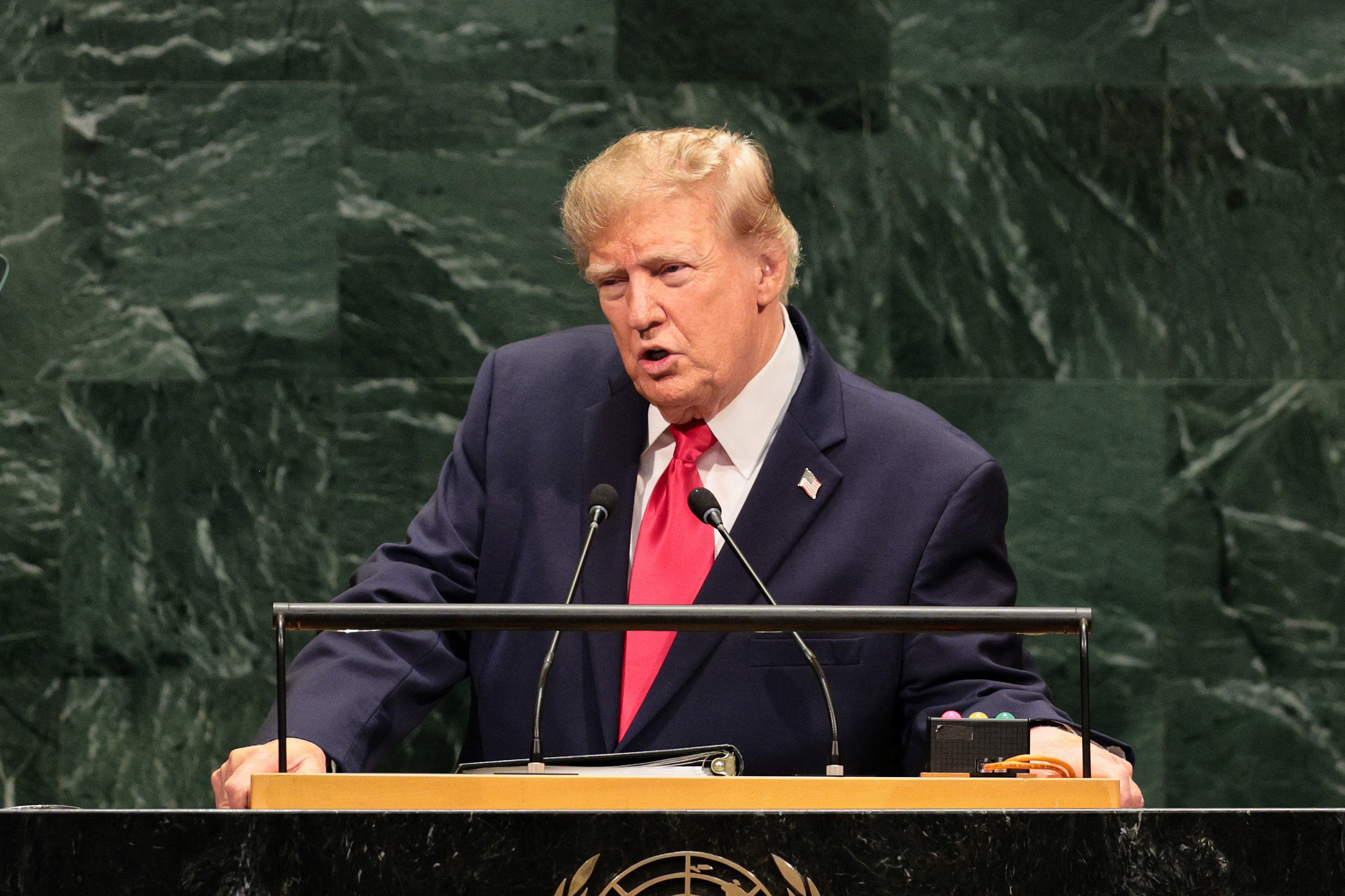
The escalation unfolded rapidly over the past week, blending military posturing, diplomatic feints, and Asian interjections. On March 22, 2026, Saudi Arabia activated its East-West pipeline at full crisis capacity (5 million bpd), a direct counter to Iranian threats, bypassing Hormuz vulnerabilities. By March 23, US alerts flagged Iranian civilian targeting—desperation tactics amid proxy limits—prompting USS Boxer deployment and UK buildup. Enter March 24: Trump claimed an Iranian "present," amid upbeat Iran deal talk and a leaked 15-point US peace plan via NYT/JPost sources. Mattis warned of "limited options" in Hormuz. Iran's FT-reported policy: "Non-hostile" transits OK, but proxies simmer.
Asia's response crystallized. South Korea's FM Cho urgently called Oman's counterpart for LNG/oil procurement aid, signaling procurement diversification—as detailed in Oil Price Forecast Drives South Korea's Asia-Pacific Realignment. India's Modi held direct talks with Trump, stressing Hormuz openness—unique as non-Western powers engage bilaterally. Recent events: US carrier issues, troop surges (thousands more), MBS urging escalation, Russia pushing Mideast unity, Sweden's warnings, and analyses of "superpower decline" fueling upheaval. Confirmed: Troop movements, diplomatic calls. Unconfirmed: Exact "present" contents; proxy activity scale. No major closures yet, but Mattis' caution underscores fragility.
This isn't isolated—ties to broader patterns. Trump's market claims amid talks suggest economic leverage, while Arctic windfall opinions highlight alternatives Asia eyes (e.g., Russia's northern routes). Explore the Global Risk Index for a comprehensive view of these interconnected risks.
Historical Comparison
Current dynamics eerily mirror past cycles, amplified by 2026's compressed timeline. The March 22-24 sequence—Saudi pipeline activation, US/UK buildups, Iranian desperation—echoes September 2019's Aramco attacks: oil +15%, SPX -1%, but no full closure. Then, Feb 2022 Ukraine: DXY +2%, BTC/ETH -10-12%, JPY +3% vs USD. Soleimani strike (Jan 2020): gold +3%. Patterns emerge: Initial threats spike energy (+high confidence here), risk-off hits equities/crypto (SPX/TSM/BTC -), safe-havens surge (USD/gold/JPY +).
Asia's role evolves uniquely. Past crises saw Tokyo/Seoul as sidelined importers; now, post-2023 supply shocks, they're proactive. 1979 Iranian Revolution closed Hormuz briefly, spiking oil 100%—India/SK weren't powers then. 1991 Gulf War: Asian economies boomed on reconstruction, but today's multipolarity (China's shadow, Russia's unity push) inverts this. 2026 parallels underscore recurrence: Interventions escalate (US troops mirror 2019/2022), but Asian neutrality—evident in Cho/Modi outreach—could break cycles, unlike US-centric 2003 Iraq. Risks: Past buildups led to proxy wars; Asia's involvement might accelerate via economic coercion, turning importers into stakeholders.
Policy dots: US decline narratives (per March 24 event) parallel post-Vietnam shifts, inviting Asian hedges—e.g., India's QUAD ties vs. Korea's Oman pivot—reshaping alliances from bipolar to networked.
AI Prediction
The World Now Catalyst AI forecasts market ripples from these escalations, attributing moves to Hormuz threats disrupting 20% oil supply and risk-off cascades. High-confidence OIL +: Mirrors 2019 Aramco +15%, key risk coalitions securing routes. Medium-confidence SPX -: Iranian strikes fuel energy fears, like 2019 dip or 2022 Ukraine -20% Q1; trade deals may cap. USD +: Safe-haven like Ukraine +2%. GOLD +: Soleimani precedent. JPY +: Yen bid lowers USDJPY.
Crypto downside: BTC/ETH/SOL/XRP - (medium/low), liquidation cascades akin to Ukraine -10-15%; ETF floors risk. TSM - (low): Indirect growth fears, Ukraine -5%. EUR - : Haven weakness.
| Asset | Prediction | Confidence | Causal Mechanism | Historical Precedent | Key Risk | |-------|------------|------------|------------------|----------------------|----------| | OIL | + | High | Hormuz threat disrupts 20% supply | 2019 Aramco +15% | Route coalitions | | SPX | - | Medium | Risk-off, energy costs | 2019 Aramco -1%; 2022 Ukraine -20% Q1 | Trade deals | | USD | + | Medium | Safe-haven flows | 2022 Ukraine DXY +2% | De-escalation | | GOLD | + | Medium | Haven inflows | 2020 Soleimani +3% | Dollar surge | | JPY | + | Medium | Safe-haven vs USD | 2022 Ukraine -3% USDJPY | BoJ intervention | | BTC | - | Medium | Risk-off deleveraging | 2022 Ukraine -10% | ETF dip-buying | | ETH | - | Medium | Follows BTC cascades | 2022 Ukraine -12% | ETF flows | | SOL | - | Medium | High-beta liquidations | 2022 Ukraine -15% | De-escalation rebound | | XRP | - | Low | Altcoin beta | 2022 Ukraine -12% | Regulatory rumors | | TSM | - | Low | Growth fears | 2022 Ukraine -5% | Asia tech boost | | EUR | - | Medium | Vs USD weakness | 2022 Ukraine -10% | ECB tightening |
Predictions powered by The World Now Catalyst Engine (Catalyst AI — Market Predictions). Track real-time AI predictions for 28+ assets.
Oil Price Forecast: What's Next
Asia's pivot heralds coalition-building for energy security, potentially by Q2 2026. Scenarios: (1) Mediation success—India/SK leverage neutrality for Hormuz pacts, echoing Modi's Trump call, yielding trade deals (e.g., Oman LNG +20% to Asia); (2) Escalation if disruptions persist—localized conflicts, oil +$30/bbl, SPX -5-10%. Triggers: Hormuz test-closure, proxy flares, US plan rejection. Policy watch: Asian forums (ASEAN+3) proposing joint patrols; Arctic/Russian routes as hedges (SCMP-noted windfall). Broader: Neutrality grants leverage—contrasting US options (Mattis)—fostering BRICS-Middle East ties, diluting Western dominance. Risks/opportunities: Procurement challenges (SK 70% exposure) vs. diplomatic clout, possibly new alliances by mid-2026. MBS escalation push or Russia unity could polarize; Sweden warnings signal Europe hedging East.
This analysis uniquely spotlights Asia's agency: Not oil prices/refugees/West-focus, but economic imperatives driving alliance redefinition. Confirmed: Diplomatic moves, deployments. Unconfirmed: Plan details, proxy limits. Policy implications: Multipolarity demands diversified security—Asia leads, forcing US recalibration.
This is a developing story and will be updated as more information becomes available.## What This Means The intensifying oil price forecast volatility amid US-Iran escalations signals a profound realignment in global energy geopolitics. Asia's proactive diplomacy, from South Korea's outreach to Oman to India's direct engagement with Trump, positions these nations as pivotal mediators. This shift not only mitigates immediate risks to 20% of global oil flows through the Strait of Hormuz but also accelerates the transition to a multipolar world order. Investors should monitor Catalyst AI — Market Predictions for updated oil price forecast trajectories, while policymakers eye emerging alliances that could stabilize or further complicate supply chains. Long-term, this empowers neutral powers, potentially averting broader conflicts but challenging traditional US dominance in the region.
Catalyst AI Market Prediction
Our AI prediction engine analyzed this event's potential market impact:
- SPX: Predicted - (medium confidence) — Causal mechanism: Iranian strikes on Israel directly cited as impacting SPX via broad risk-off sentiment and energy cost fears. Historical precedent: Sep 2019 Aramco attack when SPX dipped 1% intraday on oil spike. Key risk: positive trade deal follow-through overshadowing geo noise.
- USD: Predicted + (medium confidence) — Causal mechanism: Risk-off from ME escalations funnels flows into USD as primary safe haven amid oil volatility. Historical precedent: Feb 2022 Ukraine invasion when DXY rose ~2% in 48h. Key risk: de-escalation reducing safe-haven demand.
- OIL: Predicted + (high confidence) — Causal mechanism: Iranian Strait of Hormuz closure threat and strikes directly disrupt ~20% global supply route, spiking futures. Historical precedent: Sep 14 2019 Aramco attack when oil surged 15% in one day. Key risk: coalitions securing routes negating premium.
- TSM: Predicted - (low confidence) — Causal mechanism: Indirect risk-off from ME tensions hits semis via global growth fears despite no direct link. Historical precedent: Feb 2022 Ukraine when TSM fell ~5% in 48h on sector rotation. Key risk: China-Japan tensions de-escalating boosting Asia tech.
- ETH: Predicted - (medium confidence) — Causal mechanism: ETH follows BTC in risk-off cascades from ME oil threats reducing liquidity. Historical precedent: Feb 2022 Ukraine when ETH dropped 12% in 48h. Key risk: spot ETF flows providing floor.
- SOL: Predicted - (medium confidence) — Causal mechanism: Crypto acts as risk asset in geopolitical stress, triggering algorithmic selling and liquidation cascades amid ME oil supply fears. Historical precedent: Feb 2022 Ukraine invasion when SOL dropped ~15% in 48h on risk-off flows. Key risk: rapid de-escalation headlines sparking risk-on rebound.
- JPY: Predicted + (medium confidence) — Causal mechanism: JPY safe-haven bid strengthens vs USD on ME risk-off, lowering USDJPY. Historical precedent: Feb 2022 Ukraine when USDJPY fell ~3% in 48h. Key risk: BoJ intervention capping yen strength.
- BTC: Predicted - (medium confidence) — Causal mechanism: BTC leads risk-off selloff as ME tensions trigger deleveraging despite no direct hit. Historical precedent: Feb 2022 Ukraine invasion when BTC dropped 10% in 48h. Key risk: institutional dip-buying via ETFs.
- XRP: Predicted - (low confidence) — Causal mechanism: Altcoin beta amplifies BTC risk-off from ME headlines. Historical precedent: Feb 2022 Ukraine when XRP dropped ~12% in 48h. Key risk: regulatory clarity rumors sparking decoupling.
- GOLD: Predicted + (medium confidence) — Causal mechanism: ME escalations drive safe-haven inflows into gold amid uncertainty. Historical precedent: Jan 2020 Soleimani strike when gold +3% intraday. Key risk: dollar surge capping gains.
- EUR: Predicted - (medium confidence) — Causal mechanism: Risk-off weakens EUR vs USD haven. Historical precedent: 2022 Ukraine DXY rise weakened EUR ~10%. Key risk: ECB signals aggressive tightening.
Predictions powered by The World Now Catalyst Engine. Track real-time AI predictions for 28+ assets.