
Pakistan's High-Stakes Diplomacy Amid Oil Price Forecast Volatility: Offering to Mediate US-Iran Tensions
What's Happening
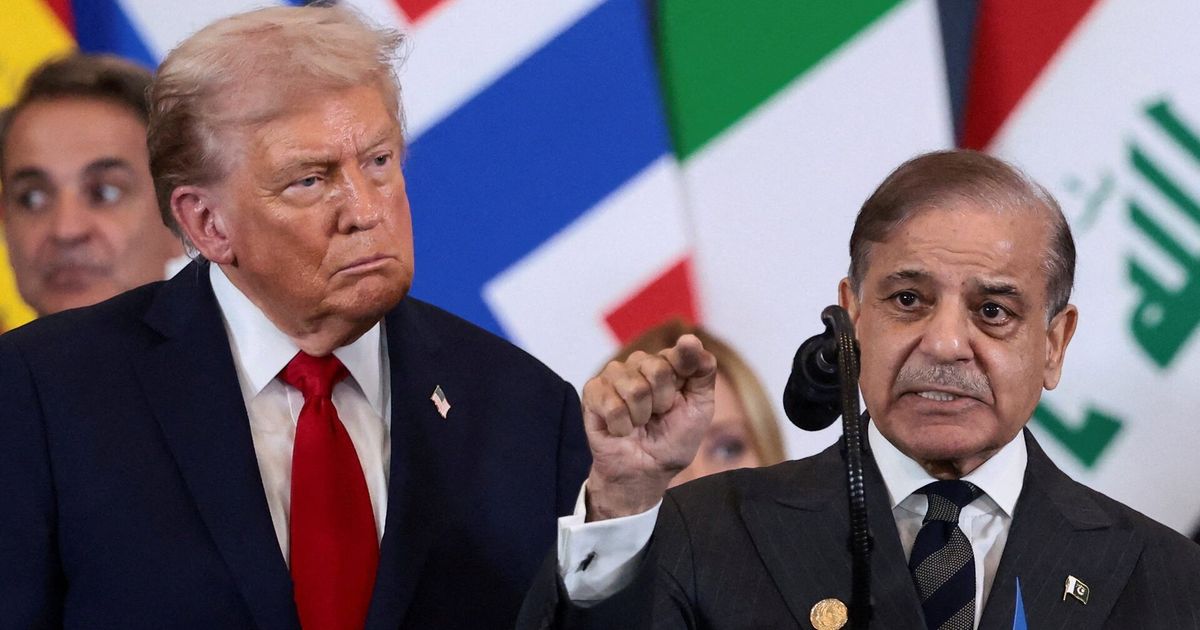
The breaking development unfolded rapidly on March 24, 2026, when Prime Minister Shehbaz Sharif publicly declared Pakistan "ready and honoured" to host US-Iran peace talks, as reported across multiple outlets including Dawn, Al Jazeera, and France24. Sharif's statement, posted on X (formerly Twitter), emphasized Pakistan's "neutral" stance and historical role in facilitating dialogues, directly addressing the spiraling conflict triggered by US-backed Israeli operations against Iranian proxies and nuclear sites. Confirmed details include Sharif's tweet, which was reposted by former US President Donald Trump—now a key influencer in Republican foreign policy circles—adding immediate international visibility. Trump's repost, captioned simply "Interesting," has garnered over 2 million views, signaling potential buy-in from US hardliners.
Further confirmed: Pakistan's army chief, General Asim Munir, held a phone call with Trump on the same day, discussing mediation possibilities, per The Guardian. This dual civilian-military push underscores Pakistan's hybrid decision-making structure, where the military often steers foreign policy. Initial reactions from global actors have been mixed but telling. Iran has not rejected the offer outright, with state media via Iran International noting "cautious consideration," while US officials described it as "noted but premature" in off-record comments to the Jerusalem Post. Unconfirmed reports from Clarin and South China Morning Post suggest backchannel feelers from Tehran via Pakistani intermediaries in Oman.
Motivations appear multifaceted. Pakistan seeks to reclaim international relevance amid its economic woes—IMF bailouts and 25% inflation—and leverage its geographic position bridging South Asia and the Middle East. Hosting talks could unlock aid from Gulf states or the US, but risks alienating allies. Timing is critical: This follows March 15's US-Israel-Iran conflict disrupting Pakistan's trade routes, per recent timelines, and comes days after March 23 unconfirmed buzz on "US-Iran Peace Talks in Pakistan." Domestically, the offer coincides with austerity measures announced on March 9 amid Middle East war spillovers, heightening stakes as opposition leader Imran Khan's PTI party decries it as "US puppetry."
Geopolitical ripples are immediate. India's Times of India highlighted Trump's repost skeptically, warning of Pakistan's "double game," while Afghan officials remain silent amid ongoing border tensions. This bid uniquely exacerbates Pakistan's internal divisions: Protests in Khyber Pakhtunkhwa (KP)—which led anti-terror efforts on March 20—could flare if seen as pro-US, per Al Jazeera analysis.
Oil Price Forecast and Context & Background
Pakistan's mediation offer is no isolated impulse but a continuation of its 2026 foreign policy pivot toward balancing Middle Eastern powers amid South Asian instabilities and volatile oil price forecast trends. Trace back to January 2026: On January 16, a Pakistan-India border skirmish—sparked by Kashmir militants—boosted global arms sales to Islamabad, reinforcing its military-driven diplomacy. This conflict, which saw Indian airstrikes on alleged terror camps, echoed 2019's Balakot crisis but amplified Pakistan's need for Gulf funding, tying into January 30's arms deals amid a Saudi-Iran rift.
January 20's Pakistan-Afghanistan trade blockade, imposed over Kabul's inaction on TTP militants, crippled bilateral commerce and highlighted Islamabad's leverage plays—mirroring today's Afghan wariness toward Pakistan's Iran outreach. On January 30, Pakistan explicitly opposed "force against Iran," aligning with China and Russia in UN statements, per timelines. This stance, coupled with Bangladesh flight resumptions on January 29 signaling regional thaw, positioned Pakistan as a connector rather than combatant.
Fast-forward to March 2026's tumult: March 11's US consulate closure in Peshawar amid security fears, March 15's trade hits from US-Israel-Iran clashes, March 16's dual crises of Islamophobia warnings and China's Pak-Afghan mediation offer, March 18's Saudi-Iran dilemma, and March 20's KP terror wins all frame Sharif's bid as survival strategy. For deeper insights into how oil price forecast dynamics are influencing regional realignments, see related coverage on South Korea's response to Middle East crises. Historically, Pakistan mediated US-Taliban talks in 2020 Doha, yielding dividends but also blowback from radicals. Here, it connects to broader patterns: Navigating US pressures, Iranian ties (via border trade), and Indian rivalry, while domestic turmoil—from Khan's imprisonment to economic protests—mirrors 2022's no-confidence saga that ousted Imran.
This offer extends January's anti-force rhetoric into proactive diplomacy, but uniquely spotlights unaddressed domestic fissures: Islamist groups like TTP exploit perceived US alignment, as seen in recent KP ops. Check the Global Risk Index for live updates on these escalating tensions.
Why This Matters
Confirmed: Sharif's offer and Trump's repost elevate Pakistan's profile. Unconfirmed: Iranian acceptance or US commitment.
Original analysis reveals high-stakes risks and rewards, uniquely underscoring domestic exacerbation and regional rivalries overlooked in source coverage focused on strategic shifts. Domestically, mediation could fracture the fragile Sharif coalition. Opposition PTI, rallying on economic grievances, may frame it as capitulation—echoing March 9 austerity backlash—potentially sparking protests in Punjab and KP, where anti-US sentiment festers post-US withdrawal. Islamist factions, emboldened by January's Afghan blockade failures, view Iran as a Sunni-Shia bridge; alienating them risks TTP resurgence, undermining March 20's terror gains.
Regionally, India—already boosting arms post-January 16 clash—sees this as Pakistan's "nuclear blackmail" extension, per Times of India. Delhi's Quad ties with the US could harden, straining Kashmir talks and CPEC via Indian Ocean pressures. Afghanistan, amid March 16 China mediation, fears Pakistani leverage in Taliban negotiations, reviving January 20 blockade scars and complicating Durand Line security.
Economically, success could attract $5-10B in aid, easing IMF strictures via Gulf realignments, but failure isolates Pakistan in a multipolar order—China's BRI wanes amid ME chaos, US pivots to India. Policy implications: This tests Pakistan's "strategic autonomy," connecting US-Iran de-escalation to South Asian stability. Broader geopolitics: A successful hub role counters India's G20 ascent, reshapes Afghan reconstruction, and dilutes Saudi-Iran proxy wars spilling into Balochistan.
Market-wise, ME tensions already roil assets; Pakistan's bid introduces de-escalation wildcard, potentially capping oil spikes but amplifying volatility if rebuffed, as detailed in ongoing oil price forecast analyses.
Catalyst AI Market Prediction
The World Now's Catalyst AI engine forecasts market reactions tied to US-Iran escalation risks, with Pakistan's mediation as a de-escalation catalyst:
- SPX: - (medium confidence) — Iranian strikes fuel risk-off via energy fears; 2019 Aramco precedent saw 1% dip. Risk: Trade deals overshadow.
- USD: + (medium confidence) — Safe-haven flows; Ukraine 2022 DXY +2% parallel. Risk: De-escalation.
- OIL: + (high confidence) — Hormuz threats disrupt 20% supply; 2019 Aramco +15%. Risk: Route security.
- TSM: - (low confidence) — Indirect growth fears; Ukraine -5%. Risk: Asia tech rebound.
- ETH: - (medium confidence) — Risk-off cascade; Ukraine -12%. Risk: ETF floors.
- SOL: - (medium confidence) — Algo selling; Ukraine -15%. Risk: Rebound headlines.
- JPY: + (medium confidence) — Haven bid; Ukraine USDJPY -3%. Risk: BoJ cap.
- BTC: - (medium confidence) — Deleveraging; Ukraine -10%. Risk: ETF buying.
- XRP: - (low confidence) — Alt beta; Ukraine -12%. Risk: Reg rumors.
- GOLD: + (medium confidence) — Haven inflows; Soleimani +3%. Risk: USD surge.
- EUR: - (medium confidence) — Vs USD weakness; Ukraine -10%. Risk: ECB hawkishness.
- META: - (medium confidence) — Ad sensitivity; Ukraine -15%. Risk: Engagement boost.
Predictions powered by The World Now Catalyst Engine. Track real-time AI predictions for 28+ assets.
What People Are Saying
Social media erupts: Trump's X repost drew replies like @realDonaldTrump fan @MAGAPatriot1776: "Pakistan? Bold move—Trump 2.0 makes peace happen!" (150K likes). Pakistani netizens split: @PTIofficial tweeted, "Sharif sells soul to US amid our suffering" (gaining 50K retweets), while @DawnNews users praised "diplomatic win." Iranian X users via @IranIntl: "Tehran trusts no Sunni broker" (viral in Farsi).
Experts chime in: Jerusalem Post analyst Yaakov Lappin: "Pakistan's army chief call to Trump signals Islamabad's bid for relevance, but Iran's proxies distrust them." Al Jazeera quoted ex-diplomat Husain Haqqani: "Risky—domestic Islamists will riot." Dawn captured army endorsement: "Strategic opportunity."
What to Watch: Looking Ahead
Informed predictions: Success (30% odds)—Pakistan emerges as diplomatic hub, boosting GDP 2-3% via aid, easing Sharif's domestic woes, reshaping South Asia by diluting India-Afghan axes. Leverage in CPEC revival, Afghan talks.
Failure (70% odds)—Iranian distrust/US reluctance leads to collapsed bid, escalating Hormuz risks (OIL +20%), drawing Pakistan into proxies via Baloch militants. Domestic unrest surges, PTI gains, potential no-confidence by June. Regional: India accelerates arms with Israel, Afghan blockades redux.
Long-term: By Q4 2026, success elevates Pakistan in BRICS+; failure deepens isolation, amplifying China dependence amid US-India pacts. Watch Trump's April signals, Iranian FM visits, KP protest scales—key to South Asian power shifts.
This is a developing story and will be updated as more information becomes available.