
Peru Reaches 610 Earthquakes Today in 2026 After Tacna M4.7 Tremor
Multiple earthquakes today struck Peru, Chile, Hawaii, and Indonesia in late August 2026, with Peru recording its 610th seismic event of the year following a magnitude-4.7 tremor in Tacna.
Recent Seismic Activity in Peru earthquakes today
Peru registered 610 earthquakes in 2026 through August 30 after a M4.7 event struck Tacna at 11:04 a.m. with intensity II-III. [2] An earlier M5.2 quake hit the same region at 00:19 a.m. [2] The M4.7 event occurred at a depth of 108 kilometers and was located 50 kilometers southeast of the city of Tacna. [2] The earlier M5.2 quake reached a depth of 42 kilometers with its epicenter 413 kilometers south of Tacna and presented an intensity of III. [2] The second movement was identified with the report IGP/CENSIS/RS 2026-0610 and had coordinates of latitude -18.39 and longitude -69.99. [2] Due to the location, the event could also be perceived in sectors of northern Chile. [2] The two movements in Tacna added to a series of earthquakes registered during the last days in different points of the national territory and nearby zones monitored by the IGP. [2] On August 29 events were reported in Arequipa, Piura, Áncash and Pasco, while a day earlier there were also records in Tacna and Chilca in the province of Cañete. [2] Reaching more than 600 records does not mean that all these movements were perceived by the population or that they had an elevated magnitude. [2] The possibility of feeling an earthquake depends on different factors including its depth, magnitude and distance with respect to cities or populated centers. [2]
Chile Tremor Near Arica
A magnitude-4.8 earthquake occurred in Chile’s Arica and Parinacota region on August 30 at 12:04 local time, 41 km east of Arica at 103 km depth, and was not felt by the population. [3] The epicenter was recorded at coordinates -18.39 degrees latitude and -69.94 degrees longitude according to the preliminary information from the Centro Sismológico Nacional. [3] Chile is characterized by high seismic activity due to the convergence of the Nazca Plate and the South American Plate in a subduction zone off the Chilean coasts. [3] The country forms part of the Pacific Ring of Fire, a vast area that concentrates a large part of the world’s seismic and volcanic activity. [3] Historically this condition has led Chile to register close to 50 percent of the tsunamis of which there are records globally. [3] The most powerful earthquake in history was the Valdivia earthquake of 1960 that reached a magnitude of 9.5 on the Richter scale. [3]

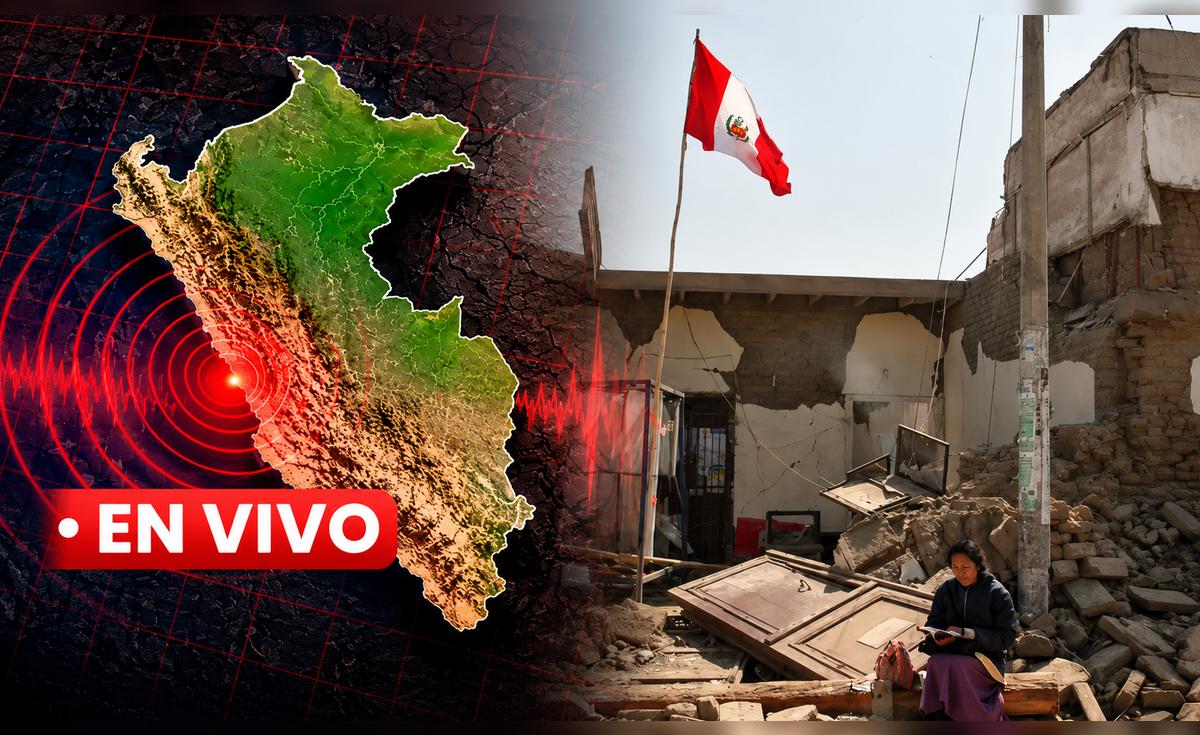
Map shows epicenters of recent earthquakes in Tacna Peru and northern Chile. — Source: gdelt
Hawaii Earthquakes Detected by USGS
The USGS recorded a M3.1 quake 19 km southeast of Pāhala, Hawaii at 31.2 km depth. [1] A M2.6 quake was also recorded 3 km southwest of Pāhala at 30.5 km depth. [4] These measurements come directly from USGS reports on the events near Pāhala. [1] [4]
Indonesia NTT Quake Recovery Update
In Indonesia, the number of evacuees from the August 15 magnitude-7.7 NTT earthquake dropped by 4,142 to 188,161 as aftershocks declined. [5] A total of 9,765 aftershocks had been recorded as of August 30 ranging from magnitude 1.0 to 6.2 with residents feeling 155 of them. [5] The series of aftershocks has begun to show a decline although shocks can still be expected around three to four weeks after the main earthquake. [5] BNPB confirmed 111 fatalities following the earthquake that jolted Flores Island on August 15 while 1,631 residents were injured including 223 who sustained severe injuries and 1,408 with minor injuries. [5] The disaster damaged 95,567 houses including 46,161 with minor damage, 21,992 with moderate damage and 27,414 severely damaged. [5] There remains an urgent need to provide temporary housing or relocation sites for 27,414 families whose houses were severely damaged. [5]
What to watch next
Aftershocks from the August 15 magnitude-7.7 event in Indonesia are expected to continue declining over the coming weeks while Peru continues to monitor additional seismic events in regions such as Tacna.