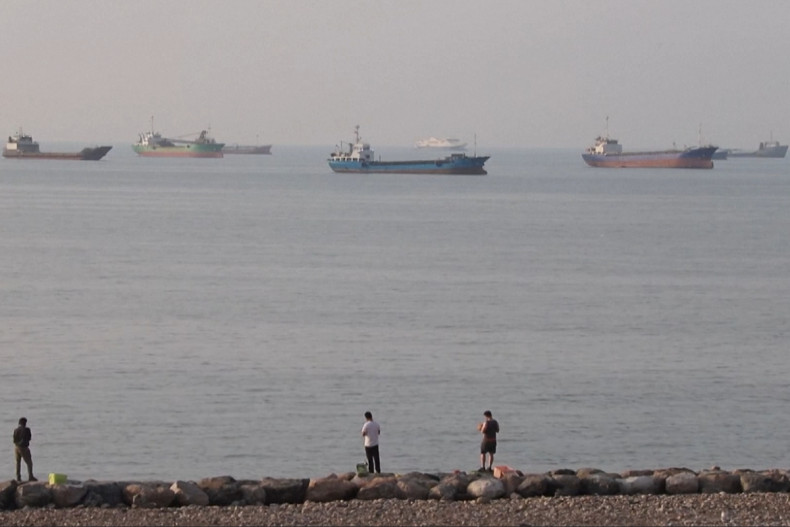
Global geopolitics faces Hormuz Strait closure as no ships pass in 48 hours due to US-Iran clashes.
The Strait of Hormuz has been closed due to US-Iran conflicts, halting ship passages and disrupting global supply chains.[3][4] In the evolving geopolitics global environment, this critical waterway, vital for energy transit, has seen no ships pass through in the last 48 hours amid heightened security risks from ongoing clashes between the United States and Iran.[4] Ships remain stranded in the area, with delivery delays exacerbating pressures on manufacturers worldwide, including in the UK where costs have surged to a four-year high.[1] ASEAN leaders, confronting this global volatility, are calling for unity to uphold international law.[2][5]
Current Situation in the Strait of Hormuz
The ongoing closure of the Strait of Hormuz stems directly from escalating US-Iran tensions, rendering the waterway impassable for commercial shipping.[3][4] Iran has effectively seized control of this key global energy transit corridor following attacks by the United States and Israel on February 28, leading to a complete standstill in vessel movements.[3] Over the past 48 hours, not a single ship has navigated through the strait, a development attributed to heightened security risks as Iran and the US exchange accusations over assaults on vessels and naval assets in the region.[4] This dearth of passages has left numerous ships stranded, trapping them amid the standoff and amplifying immediate effects on global shipping routes.[3]
The strategic importance of the Strait of Hormuz cannot be overstated, as it serves as a chokepoint for a significant portion of the world's oil supply. The current impasse has created a bottleneck, with maritime operators facing unprecedented delays and rerouting challenges. Security concerns have prompted naval patrols and warnings, further deterring any attempts to resume normal traffic. Reports indicate that the mutual recriminations between Washington and Tehran—centered on alleged attacks on shipping—have entrenched the closure, turning what was once a routine passage into a high-risk zone.[4] Stranded vessels, unable to proceed or retreat without risk, highlight the fragility of this vital artery, where even routine operations now carry the threat of escalation.[3] This situation underscores the immediate ripple effects on logistics, as carriers weigh the perils of alternative paths against the dangers of the strait itself.
Economic Impacts Worldwide
The Hormuz closure has inflicted severe strains on global supply chains, with UK manufacturing emerging as a stark example of the fallout.[1] British manufacturers' cost pressures have exploded to a four-year high in April, driven primarily by widespread delivery delays linked to the standoff in the Strait of Hormuz.[1] According to S&P Global’s UK Manufacturing Purchasing Managers’ Index (PMI), the gauge rose to 53.7 from 51.0 in the prior month, reflecting heightened input costs and the most extensive delivery holdups since mid-2022.[1] These disruptions are tied explicitly to the Iran-related conflict choking supplies, as raw materials and components rerouted around the strait face prolonged transit times and escalated freight charges.[1]
This economic tremor extends beyond the UK, illustrating broader vulnerabilities in interconnected manufacturing ecosystems. The PMI data reveals how geopolitical flashpoints like the Hormuz impasse translate into tangible burdens for industries reliant on just-in-time inventory systems. In the UK context, sectors such as automotive and chemicals—dependent on Middle Eastern imports—have borne the brunt, with suppliers reporting bottlenecks that inflate operational expenses.[1] The survey underscores the standoff's role in amplifying these pressures, as alternative shipping lanes through the Cape of Good Hope or Suez Canal alternatives prove insufficient to offset the volume lost. Globally, this has prompted stockpiling and price hedging, yet the persistent closure continues to erode margins and forecast reliability for manufacturers.[1] The four-year peak in costs signals a warning for sustained inflationary risks unless the strait reopens promptly.
Regional Reactions and Calls for Unity
ASEAN leaders have responded to the Hormuz crisis and associated global volatility with emphatic calls for regional solidarity.[2][5] Thai Deputy Prime Minister Anutin has urged ASEAN unity as bloc leaders grapple with the uncertainties stemming from such international disruptions.[2] Similarly, Indonesian President Prabowo Subianto has advocated for a unified ASEAN stance to uphold international law, stressing that the organization must speak with one voice on global matters.[5] These statements reflect a concerted push amid the broader tensions, positioning ASEAN as a stabilizing force in Southeast Asia and beyond.
The appeals come at a time when volatility from events like the strait closure threatens trade-dependent economies in the region. Anutin's call emphasizes collective action to navigate the challenges posed by distant conflicts that nonetheless impact local stability.[2] Prabowo's remarks further highlight the need for ASEAN to project a cohesive position, ensuring adherence to legal norms in an era of heightened geopolitical friction.[5] This unity is framed not just as a defensive posture but as a proactive means to safeguard economic interests and promote multilateral dialogue. By aligning on principles of international law, ASEAN aims to mitigate spillover effects from the US-Iran clashes, fostering resilience against supply shocks and energy price swings.[2][5]
Hopes for Resolution
Diplomatic prospects offer a glimmer amid the Hormuz deadlock, with stranded ships pinned in anticipation of a potential US-Iran deal.[3] Iran's control of the strait, asserted after the US-Israel strikes on February 28, has fueled hopes that negotiations could restore passage and alleviate the standoff.[3] Observers note that mutual interest in de-escalation—driven by the economic costs of prolonged closure—may incentivize talks between Washington and Tehran to secure the waterway.[3]
Such a deal would hinge on addressing core grievances, including accusations of attacks on naval assets and vessels, which have perpetuated the impasse.[3][4] While details remain speculative, the presence of stranded shipping underscores the urgency, as prolonged inaction risks deepening global disruptions. Historical precedents of strait tensions being resolved through backchannel diplomacy provide cautious optimism, though the current clash's intensity tempers expectations.[3] Resolution efforts, if successful, could swiftly normalize traffic, but they demand concessions on security guarantees and accountability for recent incidents.
Broader Geopolitical Context
The Hormuz closure fits into a larger tapestry of geopolitics global dynamics, intertwining energy security, great-power rivalries, and regional alliances.[1][2][4][5] US-Iran clashes, marked by traded accusations over vessel and asset attacks, have not only halted shipping but also exposed vulnerabilities in the global energy corridor.[4] This standoff exacerbates supply chokepoints, as seen in the UK’s manufacturing cost surge to a four-year high from delivery delays.[1]
ASEAN's unity calls further contextualize the event, with leaders like Anutin and Prabowo framing it against worldwide volatility and the imperative of international law.[2][5] The February 28 US-Israel actions against Iran set the stage for Iran's waterway control, stranding ships and inviting broader scrutiny of escalation patterns.[3] Collectively, these elements reveal how localized conflicts ripple into systemic risks, challenging multilateral frameworks and prompting unified responses from blocs like ASEAN.[1][2][4][5] The impasse tests the balance between national security assertions and the free flow of commerce, with implications for energy markets and trade norms enduring well beyond the strait's confines.
What to watch next: Monitor developments around a potential US-Iran deal to reopen the strait, as stranded ships await resolution amid ongoing security risks and accusations.[3][4] ASEAN's unified stance on international law may also shape diplomatic efforts to counter global volatility.[2][5]